
How Long Does PPF Last on a Car? Lifespan Guide for Calgary Drivers
Quick answer: Premium PPF (3M, STEK, SunTek) lasts 7–10 years with proper care—some installations exceed 12 years in optimal conditions. Calgary's harsh climate (UV, salt, temperature swings) can reduce lifespan by 1–2 years compared to milder climates if maintenance is neglected. The single biggest factor in PPF longevity is installation quality—properly installed film outlasts poorly installed film by 3–5 years.
Key Takeaways
- Premium PPF (3M, STEK, SunTek) lasts 7–10 years with proper care—some installations exceed 12 years in optimal conditions.
- Calgary's harsh climate (UV, salt, temperature swings) can reduce lifespan by 1–2 years compared to milder climates if maintenance is neglected.
- The single biggest factor in PPF longevity is installation quality—properly installed film outlasts poorly installed film by 3–5 years.
- Signs your PPF needs replacement: persistent yellowing, edge lifting, cracking, loss of self-healing ability, or clouding that doesn't clear.
- Combining PPF with ceramic coating extends the film's life by adding UV protection and reducing chemical exposure to the film surface.
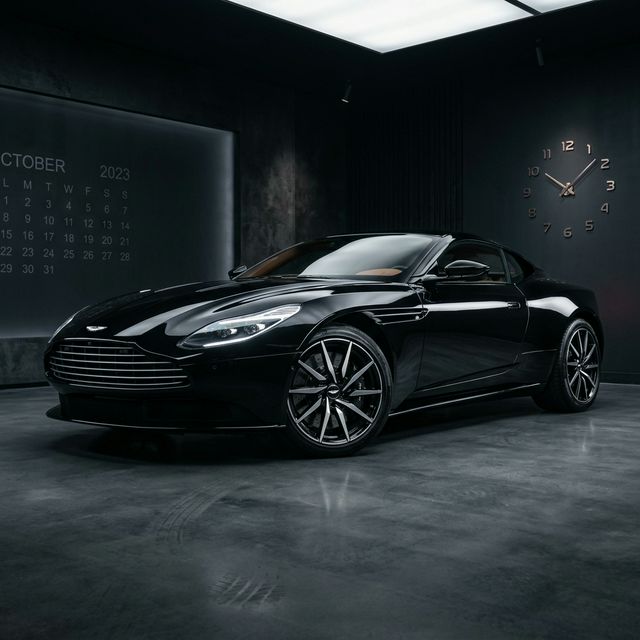
When you're investing $1,500–$6,500 in paint protection film, you want to know exactly how long that investment lasts. The short answer: 7–10 years for premium film with proper care. But in Calgary's uniquely harsh environment, the details matter enormously. Here's everything that affects PPF lifespan—and how to maximize yours.
PPF Lifespan by Brand and Quality Tier
Not all PPF is created equal. The brand and quality tier directly determine how long your film will last:
Premium Tier
7–10+ Years3M Scotchgard Pro Series, STEK DYNOshield, SunTek Ultra
Advanced TPU formulation with UV stabilizers, self-healing top coat, anti-yellowing technology. 10-year manufacturer warranty. This is what we install at Obsidian Auto.
Mid-Range Tier
5–7 YearsSunTek Ultra, LLumar Platinum
Good protection with some compromises on clarity and self-healing longevity. 5–7 year warranties typical.
Budget Tier
2–4 YearsGeneric/unbranded PVC films, eBay/Amazon pre-cut kits
Often PVC-based (not TPU), yellows quickly, limited self-healing, minimal UV protection. Short or no warranty. Not recommended for Calgary.
The Calgary Climate Factor
Calgary's environment is simultaneously one of the best reasons to have PPF and one of the toughest tests of film durability. Here's how each Calgary-specific factor affects PPF lifespan:
UV Exposure (High Impact)
2,400+ hours of sunshine at high altitude = intense UV. This is the #1 factor that degrades PPF over time. UV breaks down the polymer chains in the film, eventually causing yellowing and reduced self-healing ability. Premium films have advanced UV stabilizers that resist this for 7+ years.
Temperature Extremes (Moderate Impact)
Calgary ranges from -40°C to +35°C, with Chinooks causing 30°C swings in hours. This thermal cycling stresses the film's adhesive bond. Premium adhesives are formulated for this—budget adhesives fail 2–3x faster under thermal stress.
Road Salt & Chemicals (Moderate Impact)
Calcium chloride and road salt don't directly degrade quality PPF, but they can etch the surface if left for extended periods. Regular winter washing prevents chemical buildup from affecting the film's clarity and performance.
Rock Impacts (Actually Good for Proving Value)
Calgary's gravel roads mean your PPF is constantly doing its job—absorbing impacts that would otherwise destroy your paint. Each chip the film absorbs is proof of its value, and impacts don't reduce the film's lifespan significantly.
Calgary-Specific Lifespan Estimate
With premium film (3M Scotchgard Pro or STEK DYNOshield) and proper maintenance in Calgary: 8–10 years. With ceramic coating added: 10–12 years. Without proper maintenance: 5–7 years. Budget film in Calgary: 1.5–3 years.
Installation Quality: The Hidden Lifespan Factor
The single biggest variable in PPF longevity isn't the brand—it's the quality of installation. A premium film poorly installed will fail years before a well-installed mid-range film. Here's why:
Quality Installation = Long Life
- • Edges properly wrapped or tucked into body lines
- • No contamination under the film (dust, lint, moisture)
- • Proper stretching without over-stressing the film
- • Correct heat application during molding
- • Full adhesive contact with no air pockets
- • Paint correction completed before installation
Poor Installation = Early Failure
- • Edges lifting within 6–12 months
- • Dust contamination creating visible spots
- • Over-stretched film that turns hazy and cracks
- • Burnt film from excessive heat gun use
- • Air bubbles that grow over time
- • Film applied over swirl marks and chips
This is why we always recommend choosing an experienced, certified installer over the cheapest quote. The $300–$500 savings on a budget installation costs $1,500+ when you need to remove and re-wrap the film 2–3 years early.
How to Maximize Your PPF Lifespan
These maintenance practices directly extend how long your PPF performs at peak level:
Add Ceramic Coating Over PPF
A professional ceramic coating adds a UV-blocking, hydrophobic layer over the film. This is the single most effective lifespan extender—adding 2–3 years of life. Cost: $400–$800 over the PPF.
Wash Regularly with pH-Neutral Soap
Wash bi-weekly minimum, weekly during salt season. Use automotive-specific pH-neutral soap—never dish soap, which strips protective coatings from the film surface.
Avoid Automatic Brush Car Washes
Spinning brushes create friction on film edges, causing premature lifting. Touchless automatic washes or hand washing only.
Apply Ceramic Spray Booster Quarterly
Quick spray-on, wipe-off products reinforce the hydrophobic and UV-blocking properties between professional ceramic coating maintenance sessions.
Address Issues Early
If you notice a lifting edge, schedule a repair immediately. A $50 edge re-tack prevents the lift from spreading, which would require a $500+ panel re-wrap.
When to Replace Your PPF
Even the best PPF doesn't last forever, and the removal bill climbs steeply the longer you leave it. Here are the clear signs it's time for replacement:
Persistent Yellowing
Film has turned visibly yellow and won't clear with cleaning. Most obvious on white vehicles.
Edge Lifting
Multiple edges pulling away from the surface, capturing dirt and moisture underneath.
Self-Healing Stops
Scratches no longer disappear with heat. Film's elastomeric top coat has degraded.
The good news: when you remove 10-year-old premium PPF, the paint underneath looks brand new—it's been completely protected from UV, salt, and impacts for the entire time. Re-wrapping gives you another decade of that same protection — though what an unplanned mid-life film removal really costs is a different arithmetic from a planned one. And for the occasional surface mark that doesn't clear on its own, our guide on how to fix scratches in PPF covers the heat-healing and repair options.
We can usually tell how a car was maintained before we've even asked. Pull the film back on a well-kept installation and the paint underneath still has that just-sprayed depth to it; on a car that lived through a few brush car washes and skipped its ceramic top-ups, the film itself shows more haze and edge wear for its age even though the paint underneath is still protected. The same goes for what's left sitting on the surface too long — bug splatter and road tar left uncleaned can etch the top coat just like neglected road salt does.
Get PPF That Lasts a Decade
Premium film + expert installation = maximum lifespan. Get a free quote from Calgary's most trusted PPF studio.
Related Resources
Ready to Protect Your Vehicle from Rock Chips?
Join 705+ Calgary drivers who trust Obsidian Auto for PPF installation
Serving Calgary and surrounding areas • Free Uber shuttle with every service
| Feature | Budget PPF Film | Premium PPF Film (3M/STEK/SunTek) |
|---|---|---|
| Expected Lifespan | 2–4 years | 7–10+ years |
| Yellowing Resistance | Yellows within 1–2 years | No yellowing for 7+ years |
| Self-Healing Duration | Stops healing after 1–2 years | Heals throughout rated life |
| Warranty | 1–2 years (if any) | 10 years (manufacturer) |
| Cost per Year | $250–$500/year | $150–$250/year |
| Removal Quality | May leave adhesive residue | Clean removal guaranteed |
Pros
- Premium PPF lasts 7–10+ years, making the per-year cost as low as $150–$250 for full front coverage.
- Self-healing capability is maintained throughout the film's rated lifespan.
- Modern films resist yellowing for 7+ years thanks to advanced UV stabilizers.
- Ceramic coating over PPF can extend effective lifespan by 2–3 years.
- When PPF is removed, underlying paint is in better condition than unprotected paint of the same age.
- Manufacturer warranties (10 years for premium films) cover defects including yellowing, cracking, and bubbling.
Cons
- Calgary's extreme UV (2,400+ hours sunshine) and salt exposure can reduce lifespan vs manufacturer ratings.
- Neglected maintenance (harsh chemicals, automated brushes) can cut lifespan in half.
- Budget films from unknown brands may only last 2–3 years before yellowing or peeling.
- Replacement cost after 10 years means another investment cycle for continued protection.
- High-impact areas (front bumper lower edge) may need re-wrapping sooner than other panels.
- Edge lifting can start at 5–7 years on exposed edges, even with quality installation.
Frequently Asked Questions
Sources
External references used in this guide
Ready to Protect Your Vehicle?
Get a quote from Calgary's most trusted detailing studio. We use only the best materials and back our work with industry-leading warranties.
Get A QuoteRelated Intelligence
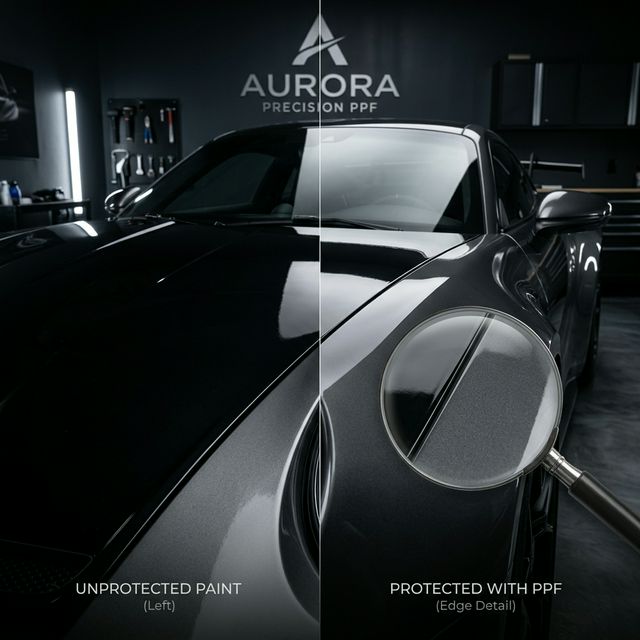
What Are the Drawbacks of Paint Protection Film? Honest Pros & Cons
Every drawback of PPF explained honestly: cost, texture change, limitations, maintenance restrictions, and removal—plus the counter-arguments that put each in perspective.
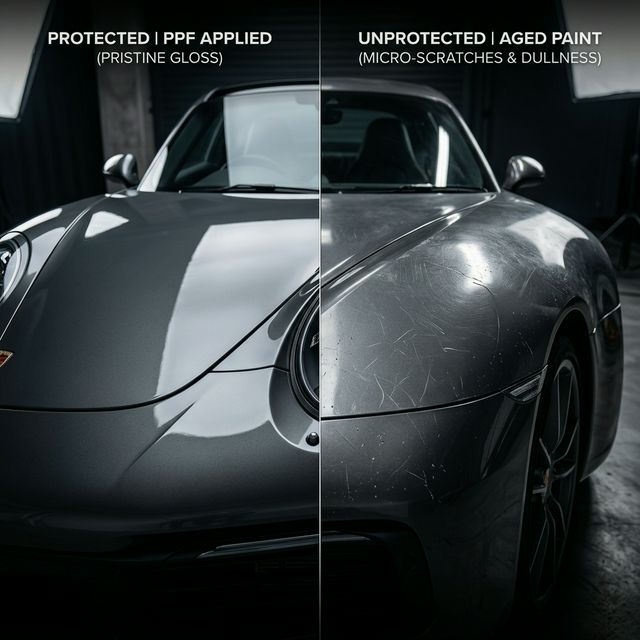
How Does PPF Look After 5 Years? Real-World Aging & What to Expect
After 5 years on Calgary roads, premium PPF still looks showroom-fresh. We document what 5-year-old film actually looks like, from self-healing to clarity.
Why Is PPF Not a Good Investment? Debunking the Top Criticisms
Honest analysis of every PPF criticism: too expensive, yellows, damages paint, just marketing. When PPF IS worth it vs when you should skip it.