
Can You Polish Scratches Out of PPF? What Works and What Ruins It
Quick answer: Light surface scratches on PPF self-heal with heat — no polishing needed. Pour warm water over the scratch or park in direct sunlight. Deeper scratches that do not self-heal CAN be polished out using PPF-specific polishes — but standard automotive polishes are too abrasive.
Key Takeaways
- Light surface scratches on PPF self-heal with heat — no polishing needed. Pour warm water over the scratch or park in direct sunlight.
- Deeper scratches that do not self-heal CAN be polished out using PPF-specific polishes — but standard automotive polishes are too abrasive.
- Machine polishing PPF requires a dual-action polisher on the lowest speed setting — rotary polishers generate too much heat and damage the film.
- If a scratch is deep enough to see bare adhesive or paint underneath, the film panel needs replacement — no amount of polishing fixes a full-thickness cut.
Short answer: you usually don't need to polish at all. Light scratches in quality, self-healing PPF vanish on their own with heat — warm water or direct sun reflows the top coat and the scratch disappears. Only deeper cuts that survive heat need PPF-specific polish, and a scratch deep enough to reach the adhesive or paint means that section of film needs replacement, not polishing. Reach for an aggressive compound before you understand which type you have and you can cause far more damage than the original scratch.
How PPF Self-Healing Works
Premium PPF has a top coat made from an elastomeric polymer that has "memory." When scratched, the polymer chains are displaced but not broken. When heat is applied, the chains reflow to their original position — filling the scratch from the inside. This is genuine self-healing, not marketing hype, and it works for surface-level scratches every time.
The critical variable is warmth, but less of it than is commonly claimed. No film maker publishes a temperature the top coat must reach, and the one baseline any of them states is room temperature — we set out what each maker actually prints about self-healing temperature. Here are the methods, ranked by effectiveness:
- Warm water pour — The fastest method. Pour warm (not boiling) water directly over the scratch. Self-healing occurs within 30–60 seconds. Excellent for spot treatment.
- Direct sunlight — Park the car with the scratched area facing the sun. On a warm Calgary summer day, the panel is comfortably past room temperature within 10–30 minutes.
- Heat gun (low setting) — Hold a heat gun 12+ inches from the surface on the lowest heat setting. Move continuously — never let it rest in one spot. Effective for winter or indoor use.
- Heated garage — Parking in a heated garage (20°C+) will slowly heal scratches over 24–48 hours. Works for accumulated winter scratches.
In our Calgary studio, the vast majority of "scratched PPF" cars that come through the door never need polish at all. Most light swirls and fine marks vanish after we run warm water over the panel or let the car sit in the sun for twenty minutes — the self-healing top coat does the work for us. We only break out PPF-specific polish for the stubborn moderate scratches that survive two or three heating cycles, and we reach for replacement on the deep cuts. Nine times out of ten, what looks like permanent damage on the brands we install — 3M, STEK, SunTek, and GSWF — is gone before we even pick up a pad.
Scratch Severity Guide
| Scratch Depth | How It Looks | Treatment | Success Rate |
|---|---|---|---|
| Surface (top coat only) | Visible at angle, disappears when wet | Self-healing with heat | 99% — heals completely |
| Moderate (past self-healing layer) | Visible in all light, does not disappear wet | PPF-specific polish | 85% — reduces visibility |
| Deep (full film thickness) | White/silver line, feels raised or gouged | Panel replacement | 100% — new film applied |
| Through to paint | Paint colour visible in scratch | Film removal + paint repair + re-film | Dependent on paint damage |
How to Polish PPF Safely
If self-healing does not fully remove a moderate scratch, here is the safe polishing protocol:
Products like Gyeon PPF Renew or Chemical Guys VSS Scratch Remover (on the lightest setting) are formulated for PPF's softer surface. Never use standard rubbing compound.
Apply a small amount to a soft foam applicator pad. Work in the direction of the scratch (not circular) with light pressure. Check after 2–3 passes. Hand polishing is slower but much safer than machine polishing.
If hand polishing does not remove the scratch, use a dual-action polisher at the lowest speed setting (Speed 1–2) with a finishing (soft) foam pad. Keep the machine moving — dwelling in one spot generates heat that can distort the film.
Remove all polish residue with a clean microfiber towel. Apply a PPF sealant or ceramic coating to restore the top layer protection that polishing removed.
What NOT to Do
When to Call a Professional
If a scratch does not respond to self-healing or careful hand polishing, bring it to a professional PPF installer. They can assess whether the scratch can be polished professionally, whether the panel section needs spot-replacement, or whether a full panel replacement is needed. Panel replacement is straightforward and costs $200–$400 depending on the panel — far less than repainting, and the same rule explains why lifted film has to be re-cut from a fresh pattern.
At Obsidian Auto, PPF maintenance and repair is part of our ongoing service. Contact us for a scratch assessment — in many cases, we can resolve the issue during a quick appointment. For complete care guidelines, see our PPF maintenance guide.
Ready to Protect Your Vehicle from Rock Chips?
Join 705+ Calgary drivers who trust Obsidian Auto for PPF installation
Serving Calgary and surrounding areas • Free Uber shuttle with every service
Frequently Asked Questions

Ready to Protect Your Vehicle?
Get a quote from Calgary's most trusted detailing studio. We use only the best materials and back our work with industry-leading warranties.
Get A QuoteRelated Intelligence
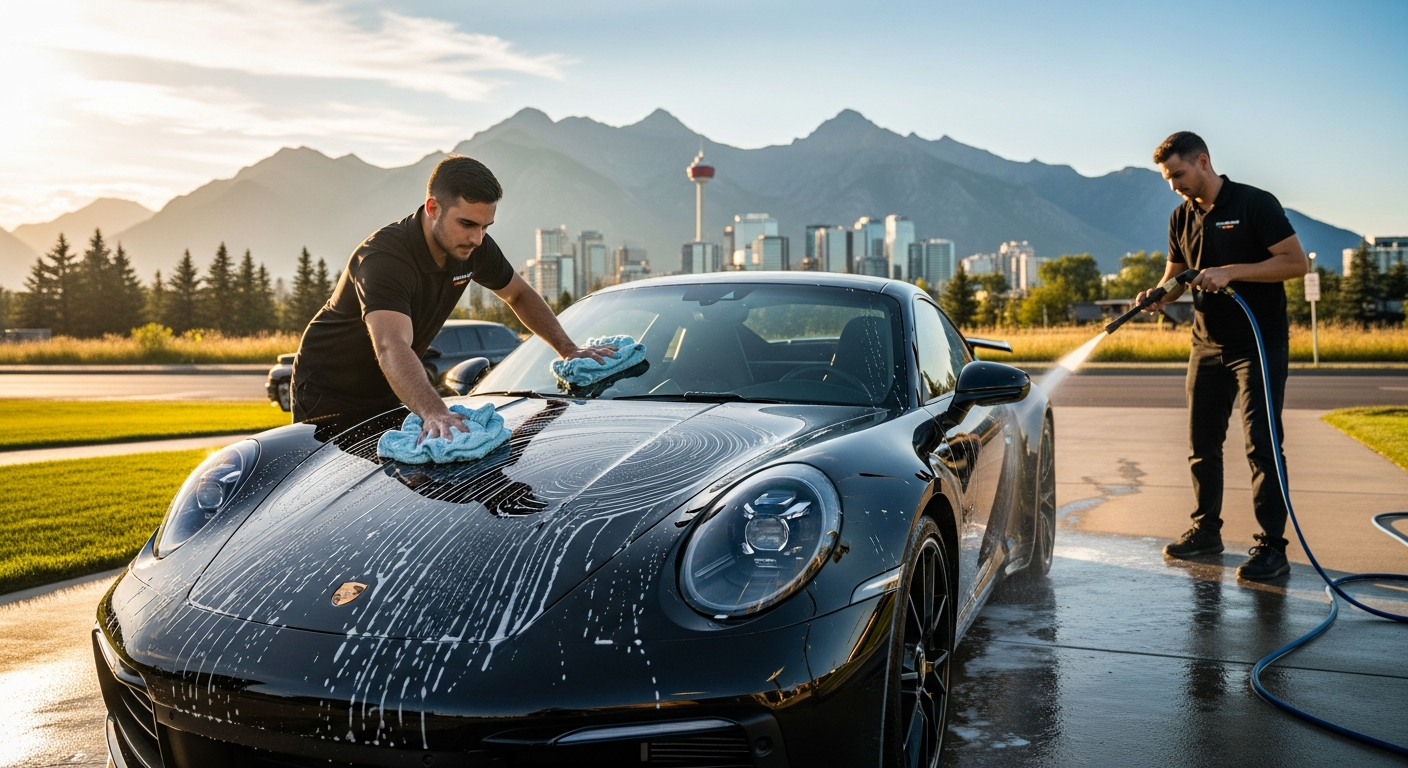
How to Clean and Maintain PPF in Calgary: The Definitive Care Guide
Protect your investment. The dos and don'ts of washing PPF, choosing soaps, and using ceramic boosters.
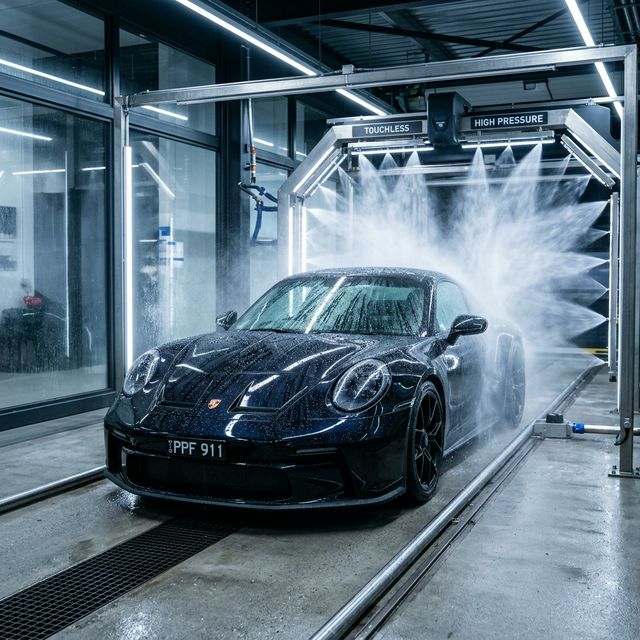
Can You Go Through a Carwash with PPF Film? The Complete Answer
Touchless car washes are safe. Brush washes are not. Complete PPF car wash guide covering wash types, winter tips, products to avoid, and maintenance advice.
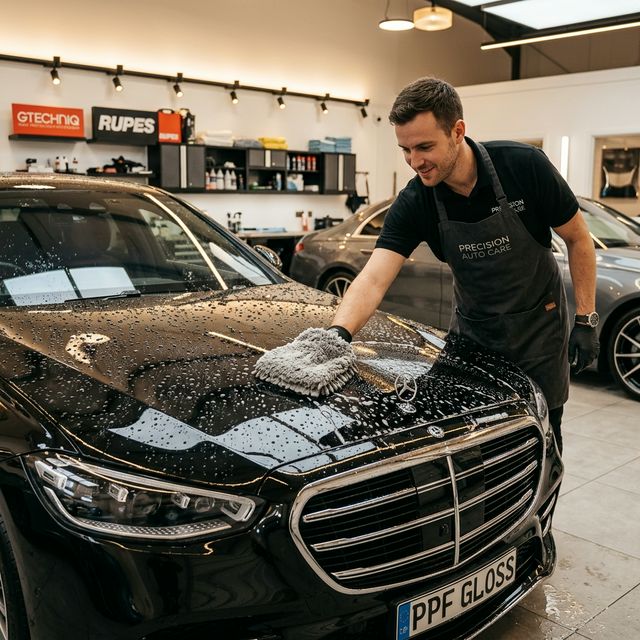
Can I Wash My Car After PPF? Post-Installation Care Timeline
Wait 48 hours, then gentle hand wash only for 7 days. Complete post-PPF washing timeline with winter cure adjustments and bubble guidance.