
PPF and Ceramic Coating Together: Calgary Combo Guide
Quick answer: Run PPF and ceramic coating together and the order is not optional: paint protection film goes on first, then a film-safe ceramic coating goes over the PPF and the remaining painted panels. Reverse it and the ceramic's slick surface stops the film adhesive from bonding to bare paint, which causes edge lifting and premature peeling.
Key Takeaways
- Run PPF and ceramic coating together and the order is not optional: paint protection film goes on first, then a film-safe ceramic coating goes over the PPF and the remaining painted panels. Reverse it and the ceramic's slick surface stops the film adhesive from bonding to bare paint, which causes edge lifting and premature peeling.
- The two layers do different jobs. PPF is the physical armour that absorbs rock chips, road rash, and gravel strikes and self-heals light scratches with heat; ceramic is the chemical top layer that adds hydrophobic self-cleaning, UV resistance, deeper gloss, and salt that rinses off instead of clinging.
- In Calgary, a typical combo — full-front PPF plus a multi-year ceramic over the whole car — starts around $2,698, a track-pack-plus-Ultimate-ceramic build around $3,498, and our full-body Masterpiece package is $4,999 with ceramic already included.
- Ceramic does NOT stop rock chips — that is the single most common misconception. Only film stops impact. Pairing the two is what gives a Calgary luxury vehicle the most complete protection against gravel highways, chinook freeze-thaw, and salt-and-brine winters, backed by Obsidian Auto's 4.9-star rating across 696+ Google reviews.
If you're protecting a new Porsche, Tesla, Range Rover, or any car you actually care about in Calgary, you've probably hit the same question: do you choose film or coating — or do you run PPF and ceramic coating together? The short version is that the best-protected cars on Calgary's roads use both, in a specific order, because each layer solves a problem the other one can't. This guide explains which goes on first and why, what the combo costs here, whether it's worth it for how you drive, and how to keep the stack performing through a Calgary winter.
The short answer: Yes, you should run both — and the order is not optional. Paint protection film goes on first, then a film-safe ceramic coating goes over the PPF and the remaining painted panels. Reverse it and the ceramic's slick surface stops the film adhesive from bonding to your paint, causing edge lifting and peeling. Done correctly, the film blocks rock chips and impact while the ceramic adds hydrophobic self-cleaning, UV resistance, and gloss — the most complete protection a Calgary vehicle can get.
Below we break down exactly what each layer does, the correct install sequence and why reversing it fails, real Calgary combo pricing, the use-cases that justify both, and how the stack handles our gravel-and-brine winters. For the head-to-head decision on its own, our full PPF vs ceramic decision guide compares them side by side — this article is about pairing them.
What Each Layer Actually Does
The reason the combo works is that PPF and ceramic coating aren't competitors — they're a physical layer and a chemical layer doing two unrelated jobs. Understanding that is the whole game, because it also explains the single biggest myth in this category: ceramic coating does not stop rock chips. Only film does. Ceramic is a microns-thin hard surface that makes water and salt slide off; it has no impact resistance whatsoever. If a shop tells you a coating will protect your front end from gravel, walk away.
| Threat | PPF (the armour) | Ceramic (the top layer) |
|---|---|---|
| Rock chips & road rash | Absorbs the impact | No protection |
| Light swirls & scratches | Self-heals with heat | Resists, does not heal |
| Water, salt & dirt | Repels somewhat | Hydrophobic self-cleaning |
| UV fade & oxidation | Some resistance | Strong UV resistance |
| Gloss & depth | Maintains finish | Adds noticeable gloss |
| Washing & maintenance | Easier than bare paint | Easiest — grime barely sticks |
Read that table top to bottom and the logic of the stack is obvious: film owns the left two rows, ceramic owns the bottom three, and the middle row is where they overlap. Put them together and you've covered nearly every threat a Calgary vehicle faces — which is why new Tesla, Porsche, Audi, BMW, and Range Rover owners so often choose both rather than one or the other. If you want the deeper head-to-head on the two products in isolation, our complete breakdown of running both together versus choosing one walks through the trade-offs.
Which Order — PPF First, Then Ceramic (and Why Reversing It Fails)
This is the part that trips people up, and getting it wrong is expensive. Paint protection film always goes on first. The ceramic coating goes over the film — and over the bare painted panels you didn't wrap — afterward. Never the reverse. The reason is adhesion: a ceramic coating is engineered to be slick and hydrophobic so nothing sticks to it. That's exactly the property you do not want under PPF, because the film's adhesive needs to grip the paint. Lay ceramic down first and the film bonds to a surface designed to repel it, which leads to edge lifting, weak adhesion, and peeling within months — meaning the film has to be removed and reinstalled. You pay twice for one mistake.
Paint Correction & Decon
Step 1A full decontamination wash and, where needed, a machine polish to remove swirls — because whatever is on the paint gets sealed under the film permanently.
PPF Installation
Step 2Premium self-healing film is installed on the front end (or the full body), with edges wrapped behind panels so there are no visible lines.
Film Cure
Step 3The PPF is left to settle and bond — roughly 24 to 72 hours — so the adhesive is fully set before anything goes over it.
Ceramic Over Film + Paint
Step 4A film-safe ceramic coating is applied over the cured PPF and the remaining painted panels, then cured for about 7 days of no water for one continuous, protected surface.
That cure window between film and coating is why a proper combo isn't a same-day job — and why booking both with one studio matters. When the same team installs the Calgary paint protection film and the ceramic coating packages, the sequence and cure timing are handled correctly and you have one point of accountability for the whole stack. Skipping the correction step in Step 1 is the other common failure — see our guide on prepping the paint before either layer goes on for why that step isn't optional.
PPF + Ceramic Combo Pricing in Calgary (2026)
Because the combo is two services, the price is driven by how much of the car you wrap in film and which ceramic package goes on top. Here's where common combinations start at Obsidian Auto for a standard vehicle. Larger SUVs, exotics, and marques with more surface area run higher — a Porsche full-front alone starts closer to $1,950, as our Porsche PPF cost guide lays out — and paint that needs correction first adds to the total.
| Combo Package | PPF Coverage | Ceramic Layer | From |
|---|---|---|---|
| Essential Combo | Full front (Signature) | 4-Year Premium over film + panels | $2,698 |
| Performance Combo | Full front + rockers (Track Pack) | 8-Year Ultimate | $3,498 |
| Complete Combo (Masterpiece) | Full body — every panel | Ceramic included | $4,999 |
A few notes on reading those figures. The Essential Combo pairs our full-front film — bumper, hood, fenders, mirrors, headlights — with a four-year ceramic over the entire car, which is the sweet spot for most luxury daily drivers. The Performance Combo adds the rocker panels and lower doors that catch gravel spray, then tops it with our longest-lasting coating. The Complete Combo is the full-body Masterpiece package, where ceramic is already baked into the price because the whole car is being protected at once. To see each side broken out, our full Calgary PPF price list and our ceramic coating pricing tiers lay out every package individually.
Is the Combo Worth It in Calgary? A Decision Framework
"Worth it" depends entirely on how you drive and how long you're keeping the car. The combo isn't automatically right for everyone — here's how to think about it honestly by use-case.
The Pros
- DAILY DRIVER on salted roads: the combo is the clear winner — film for the front-end strike zone, ceramic over everything so winter brine rinses off instead of etching.
- NEW VEHICLE from day one: the ideal time to do both, because the paint is flawless and you lock in a perfect surface before the first gravel-strewn drive home.
- LONG-TERM KEEPER or collectible: full-body film plus ceramic preserves every panel and the resale premium that pristine original paint commands.
- LUXURY MARQUE with soft paint (Porsche, Tesla): the combo guards comparatively soft factory clear coats from both chips and the swirl-marring that shows badly on dark colours.
The Cons
- GARAGE-KEPT WEEKEND EXOTIC that never sees winter: ceramic alone for gloss and UV, with film only on the highest-impact panels, may be enough.
- SHORT LEASE (2–3 years): a smart partial-front film plus ceramic usually beats a full-body wrap you won't keep long enough to amortise.
- TIGHT BUDGET: if you can only do one now, film on the front end protects against the damage that actually devalues the car — add ceramic later over the film.
- EXPECTING CERAMIC TO STOP CHIPS: if that's the goal, you need film, not coating — don't buy ceramic alone and expect impact protection.
Why the Combo Matters More in Calgary
Gravel, Brine, and Freeze-Thaw — All at Once
Calgary throws three paint threats at your car simultaneously, and the combo answers each one. Chip-seal highways and winter gravel sandblast the front end — that's the film's job. The City of Calgary treats roads with rock salt, salt brine and calcium chloride, which cling to and etch lower panels — that's where the ceramic's slick, salt-shedding surface earns its keep. And chinook freeze-thaw cycling stresses every finish — premium film stays flexible rather than going brittle. No single product covers all three; the stack does.
This is the part generic advice gets wrong. A coating that's perfect for a mild climate behaves differently when salt brine sits on it for months and temperatures swing 30 degrees in a chinook afternoon. The combo's value in Calgary specifically is that the ceramic makes the relentless winter salt rinse off easily — protecting the film's clarity underneath — while the film takes the physical hits the ceramic never could. For more on the climate side, our guide to how protection film holds up through Calgary winters digs into the durability question.
Luxury & Exotic: Where the Combo Shines
The combo is most worth it on exactly the vehicles Calgary luxury owners drive. Porsche and Tesla wear comparatively soft factory clear coats that mar and swirl easily — film stops the chips, ceramic resists the day-to-day micro-marring that shows so badly on Guards Red or a black Model S. Range Rover and large luxury SUVs have big, expensive panels where a single repaint runs into four figures, so full-front or full-body film plus ceramic is straightforward math. And on matte or satin finishes, the rules change: matte PPF and matte-specific coatings can be combined, but you skip gloss-adding products entirely. Whatever the marque, pairing film and coating is how you keep a high-end finish looking like delivery day — and protect the resale value that comes with it. Tesla owners can see the model-specific approach on our Tesla paint protection page.
Warranty Stacking, Done Right
The two layers are covered by different documents. The film carries its manufacturer's warranty against yellowing, cracking and delamination (10 years on the PPF we install). A ceramic coating is rated by its maker for a number of years; that rating is the coating maker's, not a shop guarantee. The question owners actually ask is whether putting a coating on the film affects the film's warranty, and the answer depends on the film brand, not on whether the coating is labelled film-safe:
- Brand-locked: XPEL's warranty (revision R1224) excludes "use of non-XPEL branded ceramic coatings", and STEK's current terms exclude non-STEK or third-party coatings and make STEK's own care product a condition of coverage. STEK's older 2023 PDF, still on some installer sites, has no such exclusion, so check the date of the version you are reading.
- Expressly allowed: SunTek's warranty excludes non-wax coatings and supplemental clear coats "other than ceramic coating", with no brand condition, though improper care still voids coverage.
- Silent: 3M's Pro Series warranty card and GSWF's warranty sheet don't mention ceramic coatings. That is an absence, not a permission; 3M's care instructions separately limit products to ones without dyes, abrasive polishes or rubbing compounds, and a cleaner pH between 6 and 8.
Before you coat over film, ask which film is on the car by brand and product line, read that film's exclusion list (not a summary of it), and keep a dated copy of the warranty and the registration confirmation from install day. The practical advantage of doing both layers in one place is accountability: one shop knows exactly which film and which coating went on, and in what order.
Maintaining a Ceramic Coating Over PPF Through a Calgary Winter
The good news: a properly stacked combo is the lowest-maintenance finish you can own — but it's not no-maintenance. Through a Calgary winter, wash regularly with a pH-neutral soap to clear the salt film before it sits, and favour touchless or careful hand washing over abrasive automatic brushes that can stress film edges. Remove bird droppings, sap, and bug splatter promptly; the ceramic makes them release easily, but they shouldn't bake on. The coating's hydrophobics can be refreshed with an occasional ceramic topper to keep water sheeting off, and the film edges should be checked periodically for any lifting. None of this is onerous — the whole point of the stack is that grime barely sticks — but a little routine care is what gets you the full 5-to-10-year payoff.
Build Your PPF + Ceramic Combo
Tell us your vehicle and how you drive, and we'll match the film coverage and ceramic package to your car — installed in the right order, cured properly, and backed by 696+ Google reviews, a 4.9-star rating, and the film maker's 10-year warranty on the PPF.
Get Your Combo QuoteRunning PPF and ceramic coating together comes down to one principle: film first for impact, ceramic over it for everything else. Get the order right and you've given a Calgary vehicle the most complete protection available — armour against the gravel and chips that devalue a car, and a slick, salt-shedding, UV-resistant surface that keeps it looking like delivery day through every winter. For most luxury owners on these roads, that's not over-protection. It's exactly the right amount. If you're starting from a brand-new car, our delivery-day checklist shows the right sequence to run on a brand-new car from the first day.
Get That Showroom Shine That Lasts
Join 696+ Calgary drivers who trust Obsidian Auto for ceramic coating
Serving Calgary and surrounding areas • Drop-off at our SE Calgary studio
Frequently Asked Questions
Sources
External references used in this guide
- XPEL — Warranty information (Ultimate Plus and Stealth warranty, revision R1224)
- STEK — Paint Protection Film (DYNO series) warranty coverage
- SunTek — Paint Protection Film limited warranty (PDF)
- 3M — Scotchgard PPF Pro Series warranty card and care guide (PDF)
- GSWF — Warranty sheet, dated 04/28/2021 (PDF)
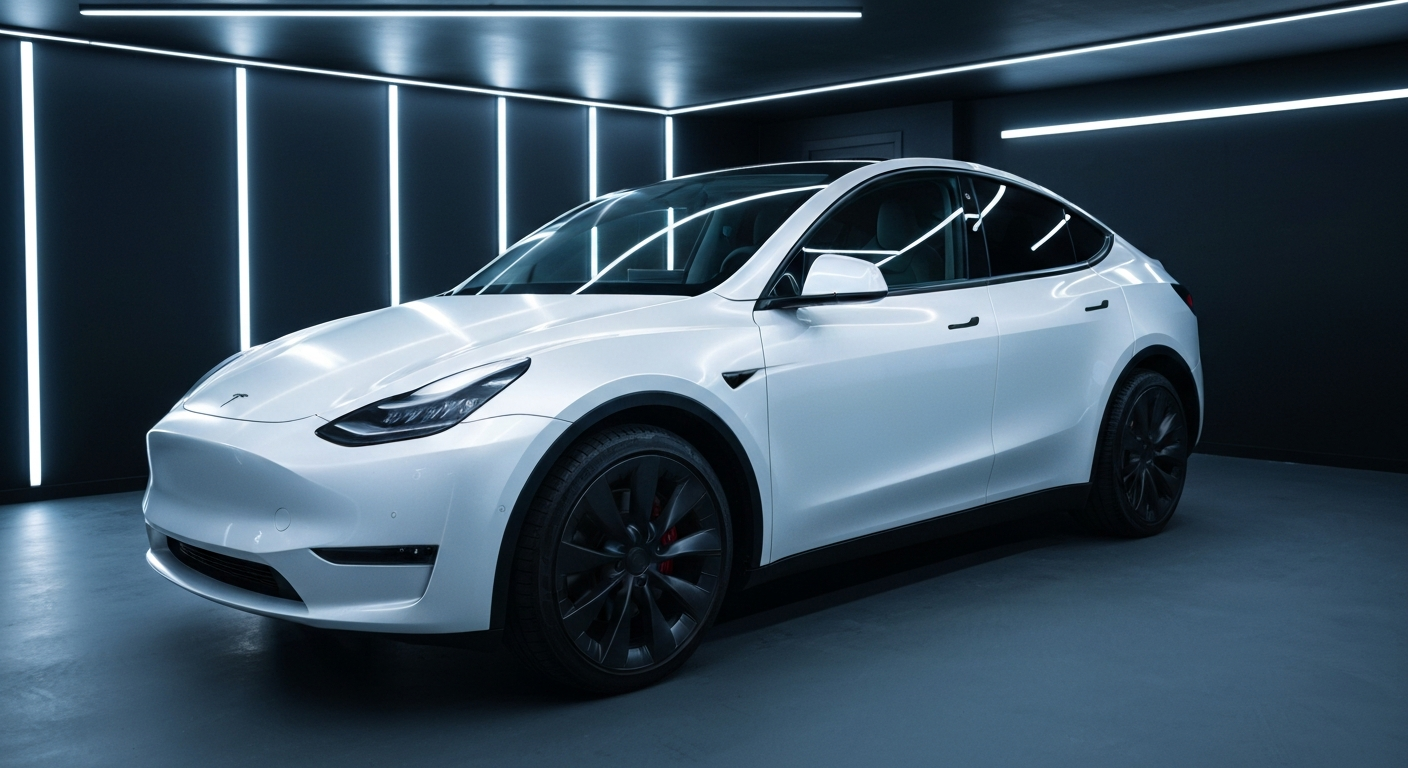
Ready to Protect Your Vehicle?
Get a quote from Calgary's most trusted detailing studio. We use only the best materials and back our work with industry-leading warranties.
Get A QuoteRelated Intelligence
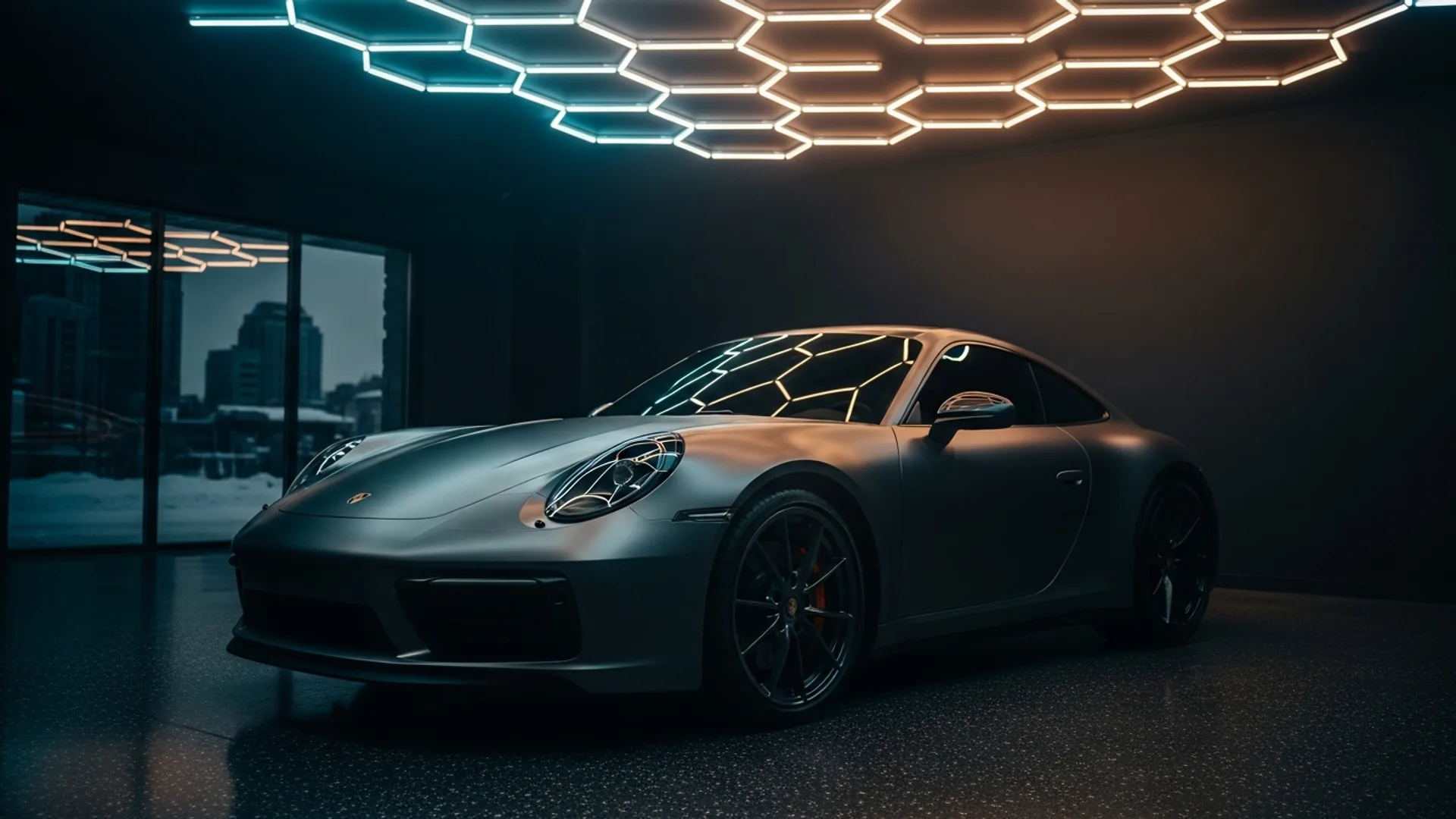
Stealth PPF in Calgary: Satin & Matte Finish Guide
Stealth PPF converts a glossy Porsche, Tesla, or exotic to a satin frozen finish without a respray — with the same self-healing rock-chip protection as gloss film. What it is, how it beats vinyl and factory matte paint, what it costs in Calgary from $1,499, which cars suit it, and the one matte-care rule.
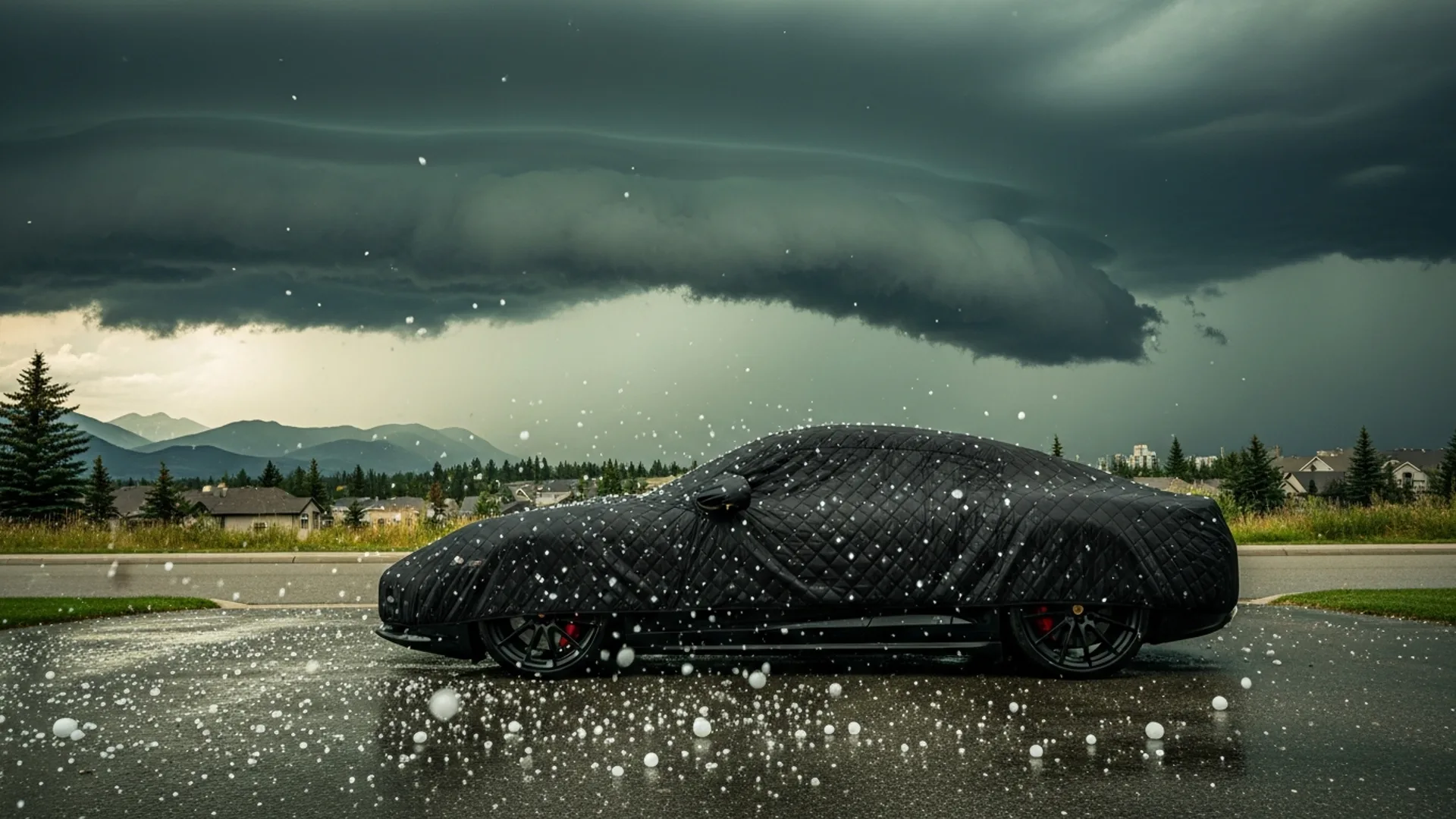
How to Protect Your Car From Hail in Calgary
Calgary sits in Hailstorm Alley, and the honest truth is neither PPF nor ceramic coating stops a hail dent. What actually protects your car: covered parking, fitted padded hail covers, alert apps, and paintless dent repair if a summer storm catches you out.

Road-Trip PPF: Rock-Chip Defence for the Rockies
A summer road trip from Calgary to Banff or the Icefields Parkway is the worst thing your paint will face: chip-seal, loose gravel, and construction at highway speed. Ceramic coating won't stop a rock chip — only paint protection film will. Coverage tiers from $399, why full-front is the road-trip sweet spot, and why the real deadline is departure, not your return.