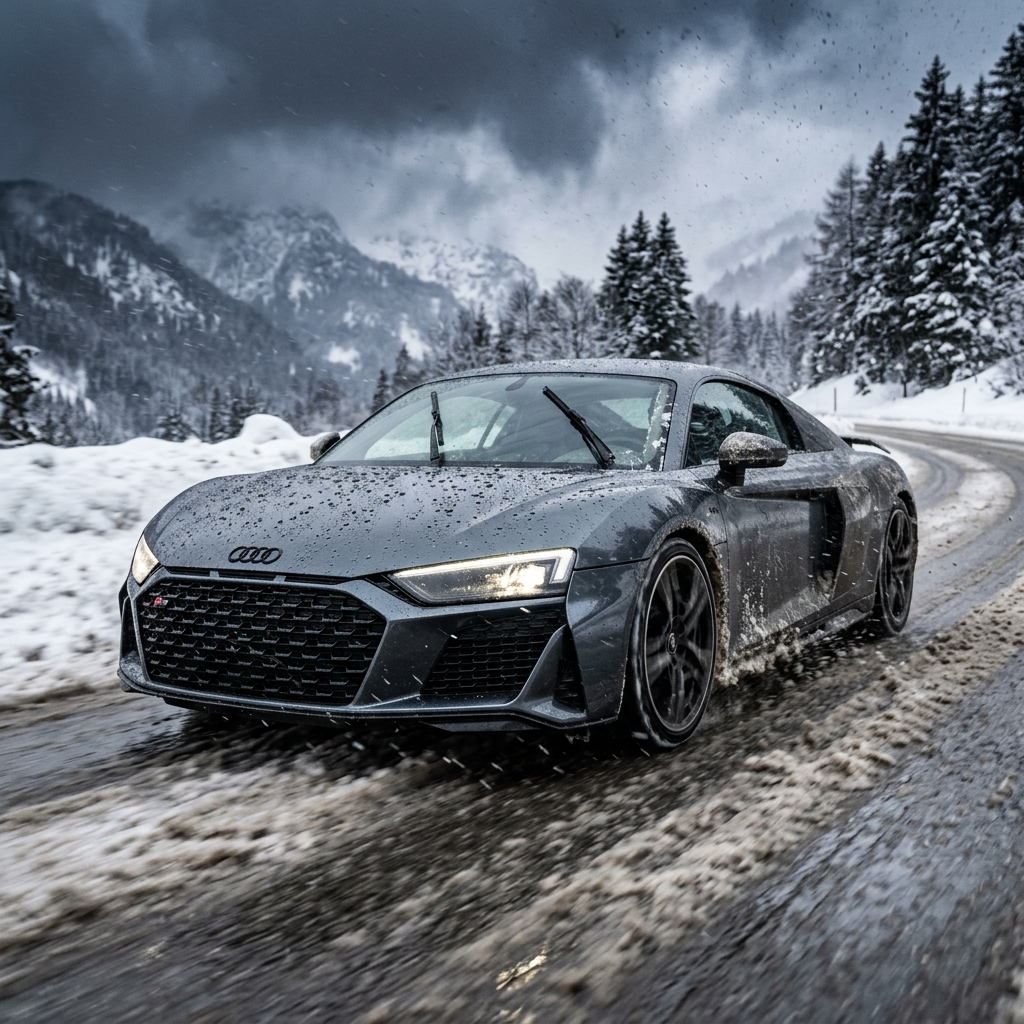
PPF in Calgary Winters: Does It Crack, Peel, or Yellow?
Quick answer: Premium Paint Protection Film (like STEK DYNOshield) uses elastomeric polymers rated to withstand temperatures down to -40°C without cracking, shattering, or becoming brittle. Winter gravel (traction sand) on Calgary roads is the #1 cause of front-end paint damage; 8-mil PPF acts as an impenetrable shock absorber against these high-velocity impacts.
Key Takeaways
- Premium Paint Protection Film (like STEK DYNOshield) uses elastomeric polymers rated to withstand temperatures down to -40°C without cracking, shattering, or becoming brittle.
- Winter gravel (traction sand) on Calgary roads is the #1 cause of front-end paint damage; 8-mil PPF acts as an impenetrable shock absorber against these high-velocity impacts.
- Calgary's heavy municipal use of Calcium Chloride accelerates rust incredibly fast in exposed rock chips. PPF seals the paint entirely from this corrosive chemical.
- Winter maintenance is critical: You must avoid automatic brush washes and hard plastic ice scrapers, which can permanently gouge the self-healing top coat.
Last updated: June 2026
Calgary winters are notoriously brutal on vehicles. Between the deep freezes that plummet past -40°C, the relentless gravel dropped on Deerfoot Trail, and the highly corrosive calcium chloride sprayed on the roads, your paint is under constant, aggressive assault from October to April. Paint Protection Film is marketed as the ultimate defense, but many practical drivers look at it and wonder: how does essentially a giant plastic sticker survive an Alberta winter?
The answer lies in polymer science. In this comprehensive technical guide, we break down exactly how modern premium PPF handles extreme cold, what happens at the microscopic level when it gets hit by frozen gravel, and the crucial winter maintenance rules you must follow to protect your investment.
The Great Myth: Does PPF Crack in Extreme Cold?
This is arguably the most common myth in the Calgary automotive scene. You have likely heard a story from a friend whose "3M" cracked into a million pieces during a cold snap. The truth is nuanced: Premium PPF does not crack, but cheap dealership film does.
Modern premium films (like STEK DYNOshield, 3M Scotchgard Pro, and SunTek Reaction) are manufactured from aliphatic thermoplastic polyurethane (TPU). TPU is elastomeric, meaning its molecular structure allows it to retain incredible flexibility and elasticity even when the ambient temperature drops to -40°C. If a piece of frozen gravel hits your bumper at 110km/h on Stoney Trail, the TPU film will compress, absorb the kinetic energy of the impact, and immediately rebound to its original shape.
The Danger of Cheap "Dealership" Film
If you buy a cut-rate PPF job rolled into your financing at a dealership, or visit a "budget" tint shop offering unbelievably low prices, they are almost certainly using older PVC-based films (polyvinyl chloride). PVC is rigid. When its temperature drops below -20°C, it transitions into a glass-like state. A rock impact will literally shatter the PVC film, leaving a spiderweb of cracks that cannot be repaired and are incredibly difficult to remove without taking the factory paint with them.
The Calgary Gravel Threat: A Sandblasting Chamber
Unlike coastal cities that rely almost exclusively on liquid brine to melt ice, Calgary uses a massive amount of physical gravel (traction sand) on the roads. By March, when the snow begins to melt, the roads effectively turn into a high-speed sandblasting chamber.
Factory automotive clear coat is incredibly thin—typically between 1.5 to 2 mils thick. Premium PPF, by comparison, is 8 mils thick. It acts as a massive, durable shock absorber. Without PPF, a single winter of commuting on Deerfoot Trail will leave your front bumper and hood permanently speckled with white chips. With PPF, those rocks bounce off.
Thickness Comparison: Your Paint vs The Elements
Calcium Chloride: The Invisible Killer
Calgary municipal road crews use a potent calcium chloride solution on major routes before a predicted snowfall. While this chemical is highly effective at preventing ice bonding to the asphalt, it is utterly devastating to bare metal.
If you receive a rock chip that penetrates down to the bare metal on your hood, the calcium chloride enters that wound. Within weeks, it begins to aggressively oxidize and rust underneath the surrounding healthy paint, creating a bubbling "rust blister" that requires major autobody surgery to fix.
PPF prevents this entirely. By stopping the rock chip from ever penetrating the paint in the first place, the calcium chloride has no entry point. Furthermore, the polyurethane film itself is completely chemically resistant to road salts, magnesium chloride, and de-icing fluids. Your wheels and calipers, though, are bare metal the film never reaches — which is exactly why a ceramic coating for wheels and calipers is the companion winter upgrade we recommend alongside front-end PPF. The windshield is another surface the front-end film never touches — a rain-repellent windshield ceramic coating handles that, clearing frost faster and keeping winter visibility sharp.
| Winter Threat | Without PPF | With Obsidian Auto PPF |
|---|---|---|
| Flying Highway Gravel | Permanent paint chipping | Impact absorbed, paint safe |
| Calcium Chloride | Accelerated rust in chips | Chemical barrier, zero rust |
| Snow Brush Bristles | Permanent micro-scratches | Scratches self-heal in heat |
| Ice Scrapers | Deep paint gouges | Deep film gouges (Avoid use!) |
| Freezing Rain | Bonds tightly to clear coat | Easier to remove off film |
The Thermodynamics of Self-Healing in the Cold
One of the most heavily advertised features of premium PPF is its self-healing top coat. If you brush snow off your car with a harsh bristle brush, you will likely leave visible micro-scratches in the film.
However, it is vital to understand that the film requires thermal energy (heat) to self-heal. In the dead of a -20°C January night, those scratches will remain visible. Do not panic. The polymers are simply dormant. As soon as you park the car in a heated garage, pour warm water over the panel, or wait until the strong Calgary spring sun hits the dark paint in March, the polymers become mobile again and the marks fade. No film maker publishes an activation temperature, so we will not quote you one; the only baseline any of them states is room temperature, reached over twenty to thirty minutes. We traced where the activation-temperature claim came from, and it was not a manufacturer.
Critical Winter Maintenance Rules for PPF
While PPF exists to protect your car, you must take reasonable steps to protect the PPF during the winter months. Failing to follow these rules can void your warranty and damage the film. If you're still planning your install, our guide on whether to install PPF before or after a Calgary winter can help you nail down the timing.
Ditch the Ice Scraper
Rule 1Never, under any circumstances, use a hard plastic ice scraper directly on the PPF. While the film self-heals micro-scratches, it cannot heal a deep physical gouge from a sharp piece of plastic. Rely on your car's internal defrost system or use a soft foam SnoBrum to gently push snow away.
Avoid Automatic Brush Washes
Rule 2In winter, the spinning synthetic brushes at gas station car washes get coated in ice, gravel, and grit from the hundreds of dirty cars that passed through before you. These act like violent sandpaper slapping against your film. Stick strictly to touchless automated washes or heated indoor wand wash bays.
Wand Wash Technique
Rule 3When using a high-pressure wand wash (which is highly recommended to remove salt), never spray directly at the exposed edges of the film from close range. Pressure at an edge is what forces water under the adhesive and lifts the film. The published standoff distances differ by brand — 12 inches from 3M, 24 from GSWF, 36 from STEK — so work to the most conservative figure unless you know which film you have, and keep the nozzle roughly square to the panel rather than raked across it.
The Pros
- Absolute peace of mind while driving on Deerfoot during a snowstorm.
- Significantly easier to wash salt and grime off the car (especially if Ceramic Coated).
- Preserves your vehicle's resale value by keeping the front end pristine.
The Cons
- You cannot use traditional automatic brush car washes.
- You must be careful not to gouge the film when removing thick ice.
Winter is only one season your paint has to survive. To keep your vehicle protected from the spring thaw through summer UV and the next salt-soaked freeze, follow our year-round Calgary car care guide. And once summer arrives, read up on keeping your car safe from Calgary hail — the one threat no paint film can stop.
Is Your Car Ready for Winter?
Don't let Calgary's lethal combination of gravel and calcium chloride destroy your factory paint. Secure your installation date before the first major snowfall.
Book Your Winter ProtectionReady to Protect Your Vehicle from Rock Chips?
Join 705+ Calgary drivers who trust Obsidian Auto for PPF installation
Serving Calgary and surrounding areas • Free Uber shuttle with every service
Frequently Asked Questions

Ready to Protect Your Vehicle?
Get a quote from Calgary's most trusted detailing studio. We use only the best materials and back our work with industry-leading warranties.
Get A QuoteRelated Intelligence
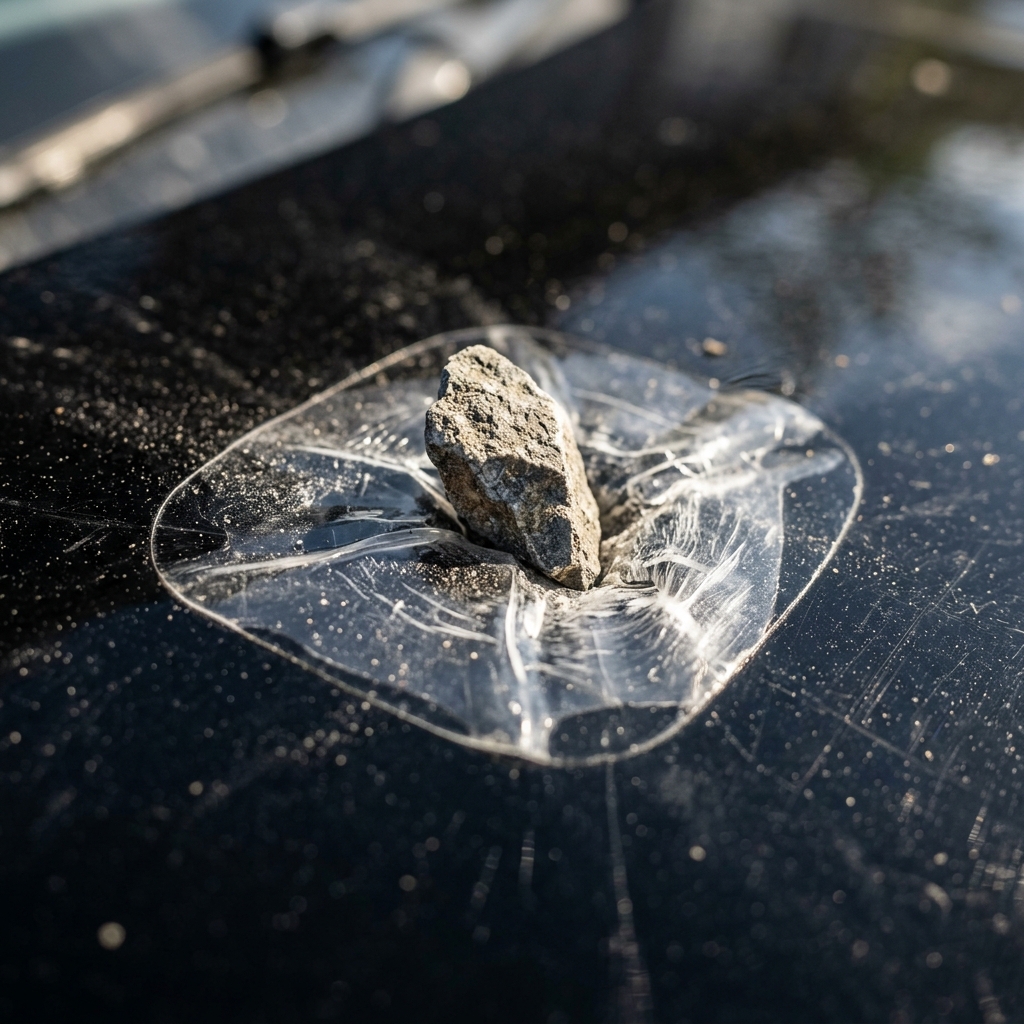
PPF Calgary: Is It Worth the Investment in 2026?
A deep dive into the financial math of rock chip repairs in Calgary vs. the cost of PPF. Understand the true ROI of protecting your paint.
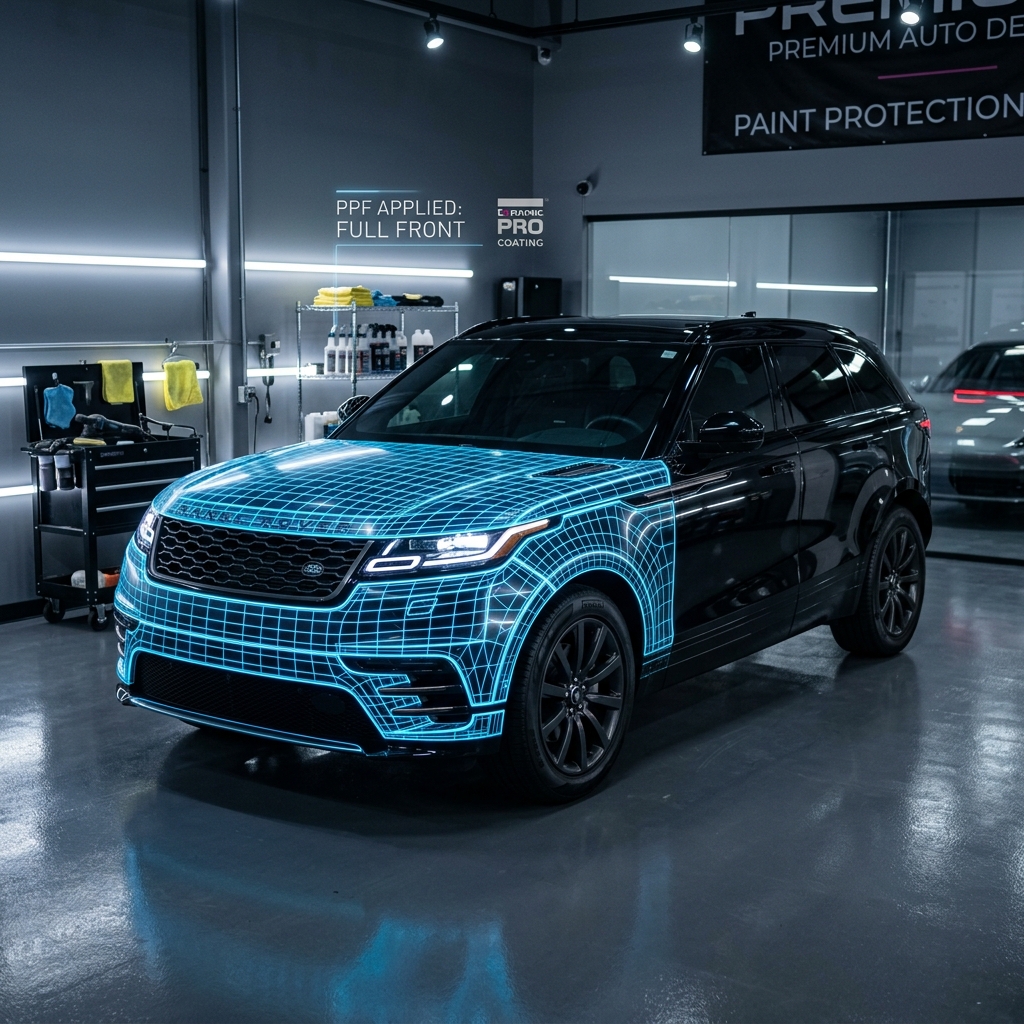
How to Choose Between Full Front and Full Body PPF in Calgary
Analyzing Calgary driving habits (Deerfoot vs downtown) to help users select the right package. Which coverage gives you the best protection for your budget?
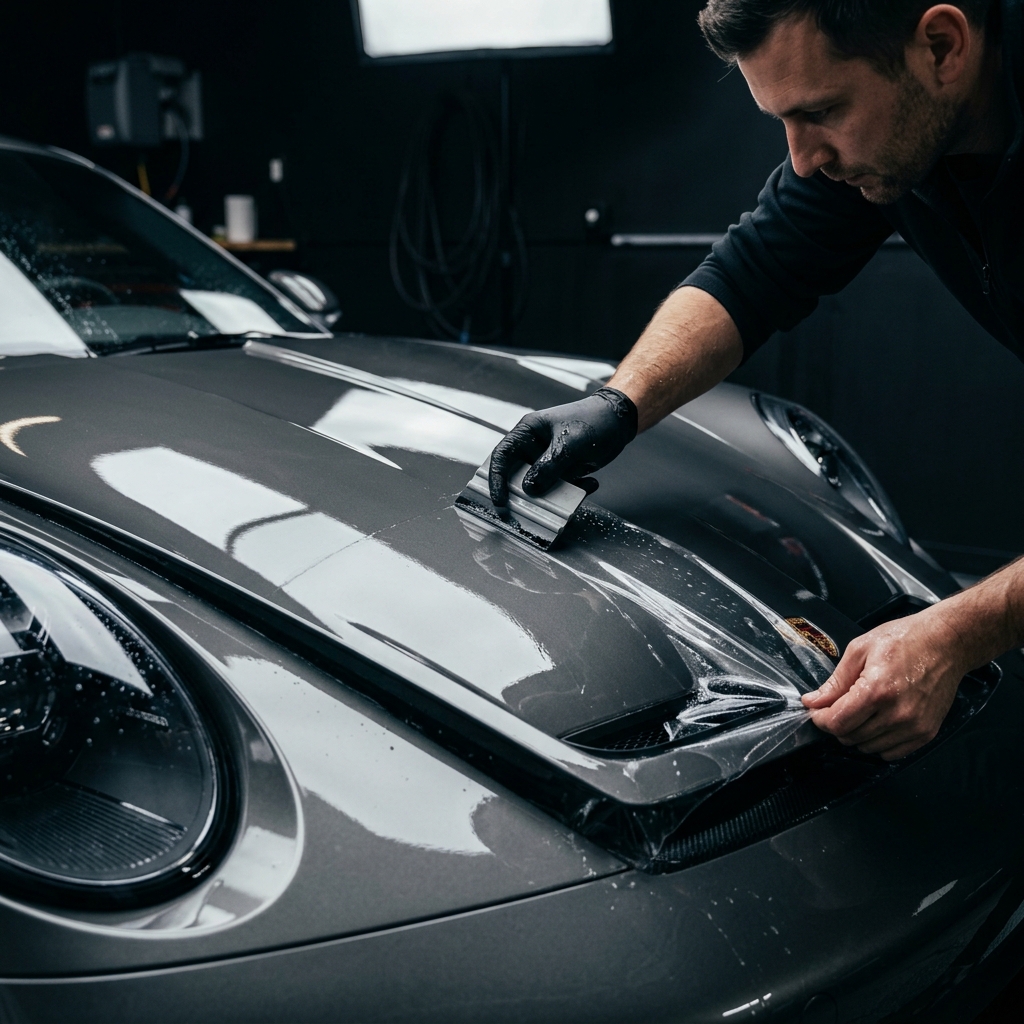
PPF for New Cars in Calgary: Should You Protect Before You Drive?
Capturing high-intent buyers who just purchased a new vehicle. Why you should avoid dealership PPF and wrap your car before hitting Deerfoot Trail.