
Paint Correction Before Ceramic Coating: Why Order Matters (Calgary)
Quick answer: A ceramic coating is optically clear and bonds to your paint for years — so it locks in whatever surface it's applied over. Coat over swirls, haze, and oxidation and you've sealed those exact defects in under a layer meant to last. Correction first, always.
Key Takeaways
- A ceramic coating is optically clear and bonds to your paint for years — so it locks in whatever surface it's applied over. Coat over swirls, haze, and oxidation and you've sealed those exact defects in under a layer meant to last. Correction first, always.
- Paint correction is the prep step that levels the clear coat to a true, defect-free finish before the coating goes on. It is not a cost add-on you tack onto a coating — it is the half of the job that decides whether the coating looks stunning or just glossy-over-flawed for years.
- At Obsidian Auto, paint correction starts at $599 and a ceramic coating starts at $899. On a well-kept newer car the correction can be light; on neglected or dark paint it's the bigger line item — but a coating quoted with no correction at all is the real warning sign.
- Calgary's gravel highways, automatic car washes, and abrasive winter grit are what put swirls into paint in the first place. Correction removes them; the coating then resists them coming back. That's why the two services are sold as one continuous job, in that order.
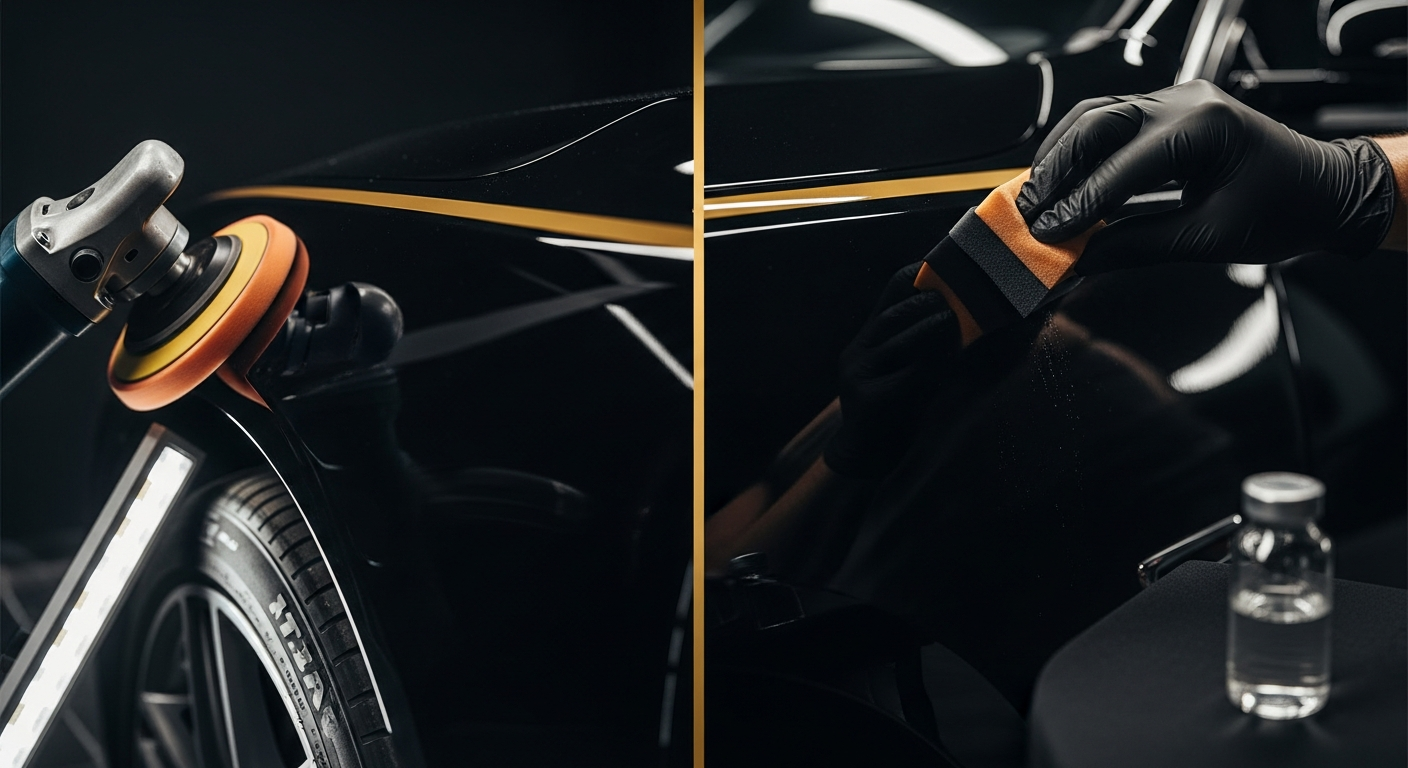
It's the question almost every Calgary owner asks before booking a coating: do I really need paint correction before a ceramic coating, or can I just have the coating applied and save the money? The honest answer is that the order isn't a preference — it's physics. A ceramic coating is a clear lock that seals in whatever is underneath it, so the surface has to be made right first. This guide explains exactly why correction comes before coating, what each step does and doesn't do, and how to choose the right combined package for our roads.
The short answer: Correction first, always. A ceramic coating is optically clear and bonds to your paint for years, so it locks in whatever surface it's applied over — coat over swirls and you seal the swirls in permanently. Paint correction levels the clear coat to a true, defect-free finish so the coating locks in a flawless surface instead of a flawed one. At Obsidian Auto, correction starts at $599 and ceramic coating at $899, and the two are sold as one continuous job. The defects correction removes are made by Calgary's gravel highways, automatic washes, and winter grit — correction takes them out, the coating keeps them out.
Below we cover what a coating does and doesn't fix, what correction removes that a coating would otherwise trap, the correct step-by-step sequence, the honest trade-off if you're tempted to skip correction to save money, and how to choose the right combined package. For the full picture on each service, see our paint correction and ceramic coating service pages.
The Short Answer: A Coating Is a Lock, Not an Eraser
The whole reason order matters comes down to what a ceramic coating physically is. It's a thin, optically clear layer of liquid glass — a hard, semi-permanent film that chemically bonds to your clear coat and is designed to last years. That permanence is exactly what makes it valuable: it shrugs off chemicals, resists wash-marring, and sheds water and salt. But that same permanence cuts both ways. A coating follows the contours of the paint it's applied to perfectly and seals them in. It is a lock, not an eraser.
So if the paint underneath is swirled, hazy, or oxidised, the coating doesn't hide or remove those defects — it preserves them under a glossy layer that's now built to survive for years. Paint correction is the only step that genuinely removes the defects beforehand. Get the order wrong and you've spent coating money to make your swirls permanent. Get it right and the coating locks in a corrected, mirror-clear finish. The sequence isn't a sales upsell; it's the difference between a coating that looks incredible and one that's just a glossy seal over flaws.
What a Ceramic Coating Does — and What It Doesn't Fix
A lot of the confusion comes from expecting a coating to do a correction's job. It can't. Understanding the line between the two is the key to understanding why both are needed, in order.
The Pros
- A coating ADDS a hard, slick, hydrophobic layer that resists wash-marring, chemicals, and Calgary road salt.
- It DEEPENS gloss and reflectivity on an already-corrected surface, making good paint look spectacular.
- It makes washing safer and faster, so the paint picks up fewer new swirls between details.
- It protects the result of a correction for years, turning a one-time polish into a lasting finish.
The Cons
- A coating DOESN'T remove swirl marks, wash-marring, holograms, or light scratches — only correction does.
- It DOESN'T remove oxidation or haze; it seals whatever clarity the paint already has, good or bad.
- It DOESN'T fill or hide defects the way a glaze does — flaws underneath show straight through it.
- It DOESN'T fix chips, dents, or scratches that have cut through the clear coat — those need other repair.
In short, a coating is a protective and gloss-enhancing layer, not a restorative one. Everything you want it to make look better, it can only make look better if that's already true of the paint underneath. That restorative work is what paint correction does, and why it has to come first.
What Correction Removes That a Coating Would Otherwise Trap
Paint correction levels a microscopically thin amount of clear coat with a machine polisher and abrasives, taking the defects with it and leaving a flat, clear, glossy surface. Each of the defects below is something correction removes — and something a coating applied beforehand would seal in permanently.
| The Defect | Correction Removes It? | A Coating Over It... |
|---|---|---|
| Swirl marks & wash-marring | Yes | Seals them in, gloss makes them sharper |
| Holograms / buffer trails | Yes | Locks the haze in under the layer |
| Oxidation & dull haze | Yes | Preserves the dullness for years |
| Light scratches in the clear coat | Yes | Traps them, harder to fix later |
| Deep scratches to colour / primer | No | Coats over unrepaired damage |
| Water spots etched into clear coat | Yes | Seals the etching in place |
The pattern is clear: nearly everything a coating can't fix is something correction can — which is precisely why correction is the prep step. The only defects neither can address (chips, dents, scratches through to colour or primer) are body-shop work, and an honest studio will flag those before any coating goes on rather than sealing over them. The same logic applies after the fact too: see when etching needs paint correction if hard-water spots have already marked a coated panel.
The Correct Sequence, Step by Step
A proper correction-then-coating job runs in a fixed order, and each step exists to set up the next. Skip or rush any of it and the coating bonds to the wrong surface. Here's how it runs in our Calgary studio.
Decontamination Wash & Clay
Step 1A thorough wash plus chemical and clay-bar decontamination strips bonded brake dust, rail dust, and the road film Calgary winters leave behind, so nothing is dragged across the paint during polishing.
Paint Correction
Step 2Single-stage for light swirls, or multi-stage cutting plus refining for deeper defects, levels the clear coat to a true, defect-free finish under dedicated correction lighting. This is the half of the job that decides the final look.
Panel Wipe (IPA Decon)
Step 3Every panel is wiped down to remove all polishing oils and fillers, revealing the true corrected finish and giving the coating clean, bare clear coat to bond to — oils left behind would stop the coating adhering.
Ceramic Coating Application
Step 4The coating is applied panel by panel in a controlled, dust-free space, then levelled before it flashes, bonding to the corrected surface instead of a flawed one.
Cure
Step 5The coating cures in a temperature-controlled studio before the car returns to the road — the reason this job belongs indoors, not in a Calgary driveway.
The panel wipe in Step 3 is the quiet hero of the sequence: it's the moment the true corrected finish is revealed and the surface is made truly bare so the coating can grip. It's also why a coating can't simply be layered over a freshly polished car without it — the oils used in polishing would block the bond. For more on how the correction stages themselves work, our technical guide to single vs multi-stage paint correction breaks down exactly what each level does.
"Can I Skip Correction to Save Money?" — The Honest Trade-Off
This is the most common request, and it's understandable — correction is often the larger line item, so cutting it lowers the total. But it's the one corner that defeats the entire purpose of the coating. Here's the honest trade-off, laid out plainly.
| Coated WITH Correction | Coated WITHOUT Correction | |
|---|---|---|
| Surface sealed in | A true, defect-free finish | Whatever swirls & haze exist now |
| How the gloss looks | Deep, mirror-clear reflection | Glossy but webbed with swirls |
| Defect visibility over time | Stays corrected for years | Swirls locked in for the coating life |
| Fixing it later | Nothing to fix | Must remove the coating first to correct |
| Value of the coating spend | Protecting a finish worth protecting | Protecting the flaws you wanted gone |
| Upfront cost | Higher — includes prep hours | Lower — but seals in the problem |
The Cheapest Coating Quote Is Often the Most Expensive
A coating quote that's noticeably cheaper than the rest, on visibly swirled paint, usually means correction has been skipped. You save a few hundred dollars today and lock the swirls in for the multi-year life of the coating — and undoing it later means stripping the coating you paid for, correcting the paint, and re-coating. Spending coating money to make flaws permanent is the worst value in detailing. The quote to trust is the one that includes the prep your paint actually needs.
None of this means every car needs heavy multi-stage correction — a newer, well-kept vehicle may only need a light single-stage prep, which keeps the cost down. The point is that the right amount of correction, however small, comes first; zero correction on flawed paint is the false economy. For exact figures, our ceramic coating cost guide shows where the coating sits, and our paint correction cost breakdown explains what drives the prep half of the quote.
How Calgary Roads Create the Swirls Correction Removes
Correction is in such demand here for a reason: Calgary is unusually hard on paint, and the same local forces that make a coating worthwhile are the ones that put the swirls there in the first place. Understanding them is the case for doing the job in the right order — correct what the roads did, then coat to stop them doing it again.
What Puts Swirls Into Calgary Paint (our rough ranking, illustrative)
Every automatic wash drags abrasive particles and reclaimed gritty water across the clear coat; every winter coats the car in traction sand and brine that marrs the paint with each wipe; and the gravel dust off Deerfoot, Stoney Trail, and the highway to the mountains settles and gets rinsed across the surface. The result is the fine web of swirls and haze that correction exists to remove. A coating applied after correction then resists this re-marring and makes washing far safer — which is exactly why the two services are paired, in that order. Our honest take on whether that protection earns its keep here is in our guide to whether ceramic coating is worth it in Calgary.
Choosing the Right Correction + Coating Combo
Because correction is matched to your paint's condition and the coating to how long you want the protection to last, the right combination is rarely one-size-fits-all. A few rules of thumb help:
- Newer, well-kept car: often a light single-stage prep correction plus the coating tier that matches how long you'll keep the car. Minimal correction hours, maximum bond quality.
- Dark or daily-driven car with visible swirls: this is where correction earns its keep most. Expect single- or multi-stage correction first, then the coating to lock the recovered gloss in against Calgary's roads.
- Older or neglected paint: multi-stage correction is usually needed to reach a true finish before coating — the prep is the bigger half of the job here, and skipping it wastes the coating.
- Weighing a coating against film: on high-impact panels, correction-then-coating and PPF do different jobs; our comparison of ceramic coating vs PPF in Calgary explains where each fits, and our PPF and ceramic together guide covers the correct install order when running both.
Whichever combination is right, the order never changes: assess the paint, correct it to a true finish, panel-wipe it bare, then coat. An honest studio reads your actual paint under correction lighting and quotes the prep it genuinely needs — never coating over whatever's there to keep the headline price low. You can see how the coating itself is built up in our ceramic coating service, and how the prep is done in our paint correction service.
Correct First, Then Lock It In
Bring your car to our Calgary studio and we'll read the paint under proper correction lighting, tell you exactly how much correction it needs before a coating, and quote the combined job honestly — so your ceramic coating seals in a flawless finish, not the swirls you wanted gone.
Get Your Correction + Coating QuoteGet That Showroom Shine That Lasts
Join 705+ Calgary drivers who trust Obsidian Auto for ceramic coating
Serving Calgary and surrounding areas • Free Uber shuttle with every service
Frequently Asked Questions
Ready to Protect Your Vehicle?
Get a quote from Calgary's most trusted detailing studio. We use only the best materials and back our work with industry-leading warranties.
Get A QuoteRelated Intelligence
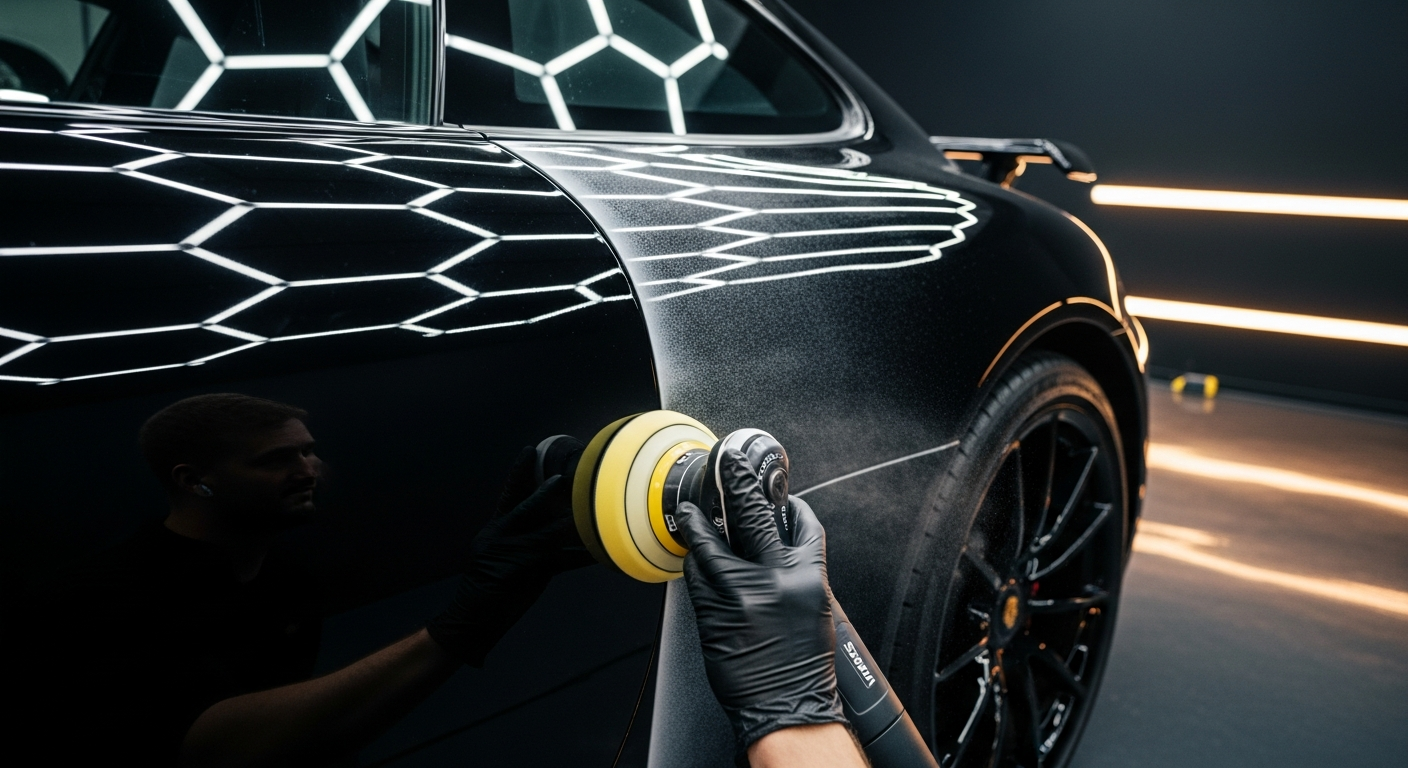
Paint Correction in Calgary: Single vs Multi-Stage Polishing Explained (2026)
The honest breakdown of single-stage vs multi-stage paint correction in Calgary — what each removes, what each costs in 2026, and how to choose before a ceramic coating or PPF install.
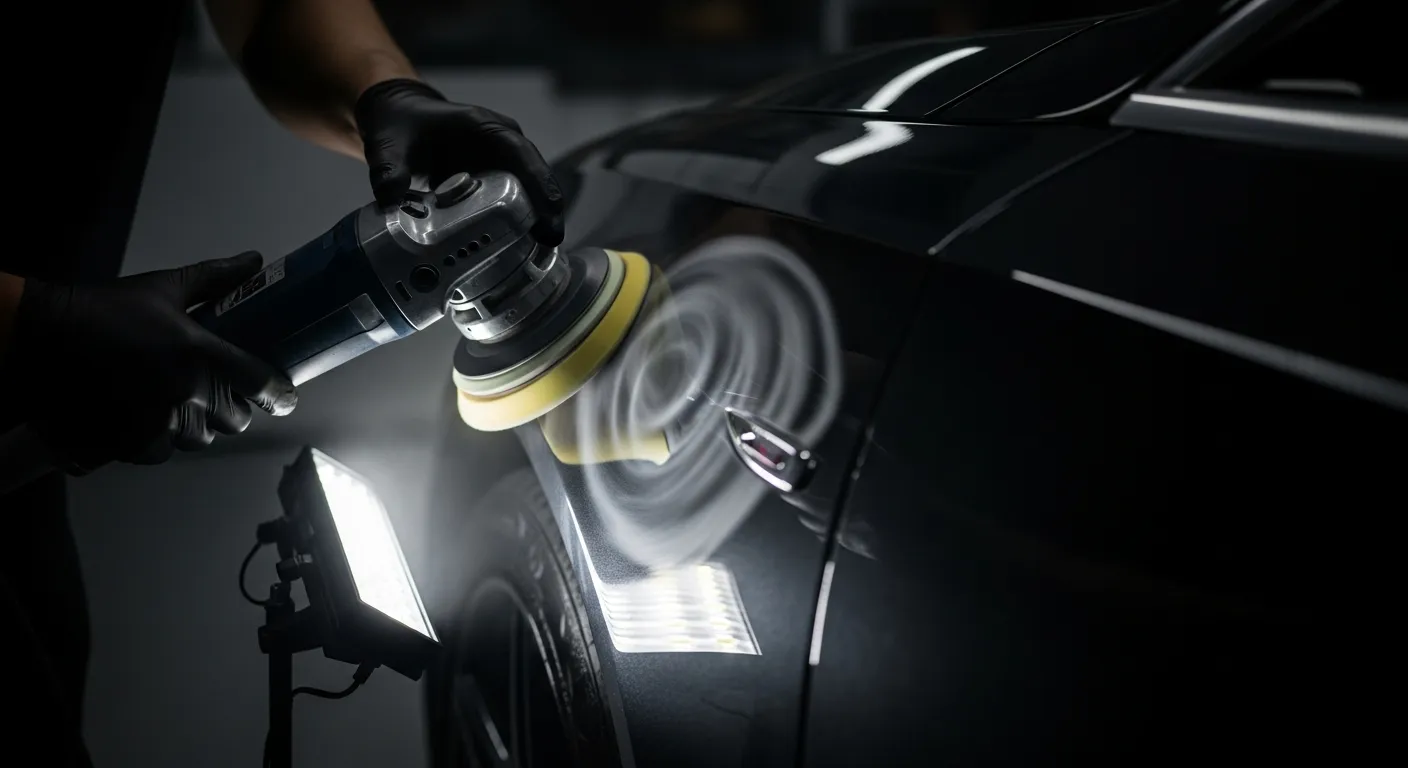
Paint Correction in Calgary: Remove Swirls, Scratches & Oxidation
How swirls, scratches, and oxidation are removed in Calgary: single vs multi-stage correction, real costs from $599, the step-by-step process, and why our roads cause swirls.
How to Prep a Luxury Car for Winter Storage in Calgary
Every winter storage checklist online is about the machinery — battery, fuel, tires, mice. The paint gets five words: give it a good wash. This is the other half: why bonded contamination sitting for five months is a different problem, what a Calgary winter's 43.5 freeze-thaw cycles do to a car in an unheated garage, the cover question answered by the people who make covers, and the honest case for coating before a lay-up.