
Interior Ceramic Coating in Calgary: Leather & Alcantara
Quick answer: Interior ceramic coating adds a hydrophobic, UV-resistant barrier to leather, Alcantara, fabric, and hard trim so spills bead and wipe off, stains struggle to set, and Calgary's intense high-altitude sun does far less fading and cracking over the years. The single most important rule is that leather, Alcantara, and fabric each demand a different coating chemistry — a flexible leather-specific…
Key Takeaways
- Interior ceramic coating adds a hydrophobic, UV-resistant barrier to leather, Alcantara, fabric, and hard trim so spills bead and wipe off, stains struggle to set, and Calgary's intense high-altitude sun does far less fading and cracking over the years.
- The single most important rule is that leather, Alcantara, and fabric each demand a different coating chemistry — a flexible leather-specific coating, a breathable textile coating, and a fabric repellent respectively. Using one rigid exterior-grade product across all three is the most common and most damaging mistake.
- An interior coating protects from the moment it goes on; it does not reverse cracks, fading, or stains that are already there. The value comes from coating a clean, sound interior before Calgary's road-salt winters and dry-air summers do their damage.
- The two threats that actually ruin Calgary interiors are winter road salt and slush tracked onto carpets and door sills, and Alberta's high-UV sun baking dashboards and leather — both are exactly what a properly chosen interior coating is built to resist.
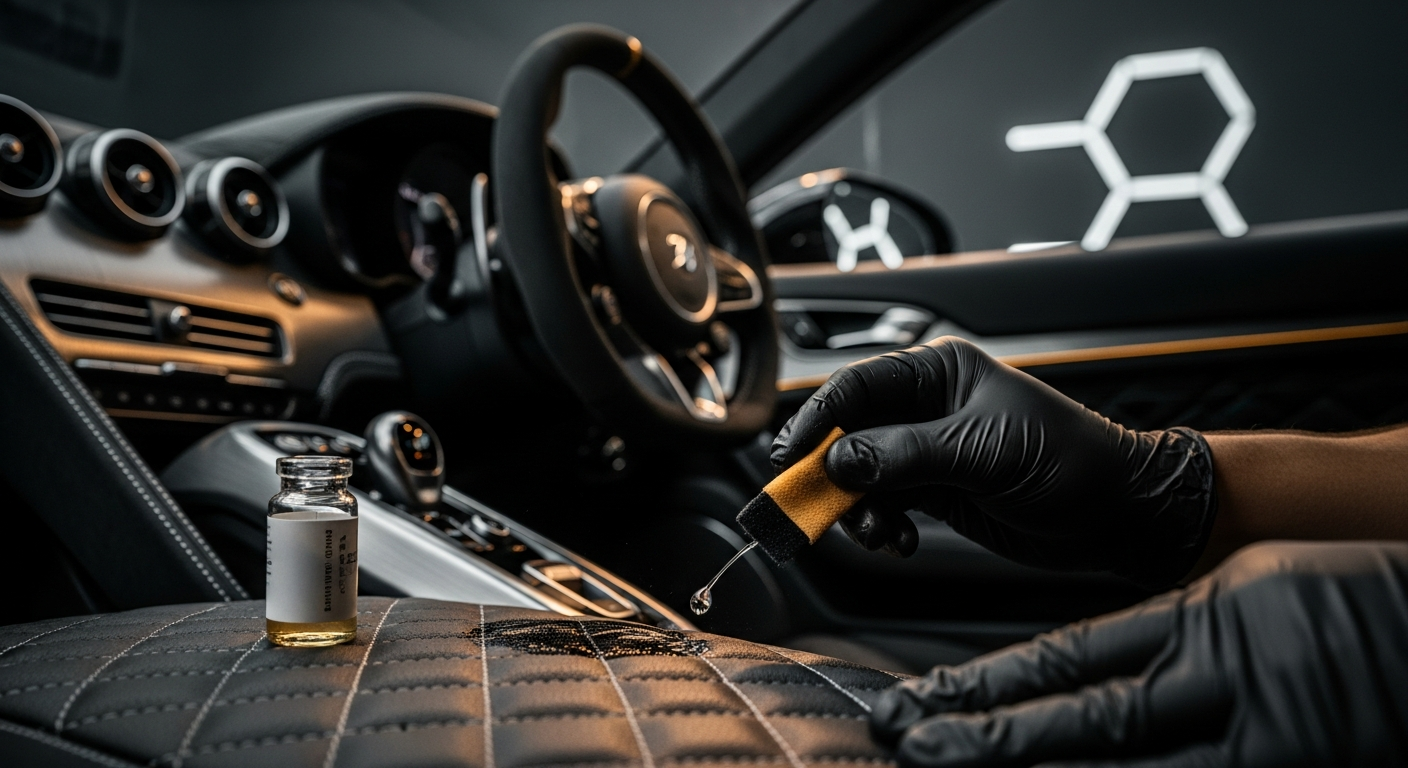
Owners pour money into protecting the paint and then climb into a cabin that is quietly aging faster than the exterior ever will. Interior ceramic coating is the most overlooked upgrade in a Calgary car — the leather, Alcantara, and dashboard absorb a punishing combination of road salt, spills, and high-altitude sun that fades, stains, and cracks the most expensive materials in the vehicle, long before a single rock chip shows on the hood.
The short answer: Interior ceramic coating adds a hydrophobic, UV-resistant barrier to leather, Alcantara, fabric, and trim, so spills bead and wipe away, stains struggle to set, and Calgary's intense sun does far less fading and cracking over the years. For it to work — and not harm your leather — each material needs the right chemistry: a flexible leather-specific coating, a breathable textile coating for Alcantara, and a fabric repellent for carpets. Coat a clean, sound interior before the salt and the sun get to it; the coating prevents future damage but cannot reverse what is already done.
If you have already protected your paint with Obsidian Auto's ceramic coating service, this is the logical next step — the same surface science that makes your hood shed water belongs on the surfaces you actually touch every day. Here is exactly what an interior coating does, where it genuinely helps, where it is oversold, and why Calgary makes it worth more than almost anywhere else.
Why Calgary Is Brutal on a Cabin
Two local stressors do almost all the permanent damage to interiors here, and both are exactly what a coating is built to resist. The first is winter road salt. For roughly six months of the year, the calcium-chloride brine and traction sand the City of Calgary lays down on its snow and ice control routes rides in on boots and settles into carpets, floor mats, and door sills. Left in the fibres, salt leaves white tide-lines and grinds at the material every time you climb in.
The second is the sun. Calgary sits at roughly 1,045 metres of elevation and sees some of the most sunshine of any major Canadian city, which means stronger UV exposure than the flat numbers suggest. Park south-facing through a few Alberta summers and the dashboard hardens and cracks while the leather fades and dries — accelerated by the same dry air that cracks unconditioned hides in winter. An interior coating attacks both: a hydrophobic barrier keeps salt and spills on the surface where they wipe away, and built-in UV inhibitors slow the fading and embrittlement that the sun would otherwise cause. The same summers work on the outside of the car too — we cover the paint side of Calgary's high-altitude sun problem separately.
What Punishes a Calgary Interior Most (our rough ranking, illustrative)
What an Interior Coating Actually Does — and Doesn't
It pays to be precise here, because interior coating is one of the more oversold services in detailing. A coating is a thin, semi-permanent layer that bonds to the surface and changes how it behaves — it does not add visible thickness, change the look of the material, or make anything indestructible. Here is the honest split.
The Pros
- Makes surfaces hydrophobic and oleophobic, so spills, coffee, and slush bead up and wipe off.
- Resists staining and dye transfer — the jeans-on-light-leather problem and ground-in grime.
- Contains UV inhibitors that slow fading and cracking of dashboards, trim, and leather.
- Adds anti-static behaviour to hard plastics, so they attract and hold less dust.
- Cuts interior cleaning time sharply — most messes become a single wipe instead of a scrub.
The Cons
- DOESN'T repair existing cracks, fading, or stains — it locks in the current condition, so correct first.
- DOESN'T make leather scratch-proof or maintenance-free — natural leather still needs periodic conditioning.
- DOESN'T stop high-touch wear on a steering wheel or bolsters; those zones still need earlier re-coats.
- DOESN'T work if applied over old conditioner, silicone dressings, or dirt — bonding requires a stripped, clean surface.
That last point about prep is the whole game, and it is the same principle that governs a paint coating: the protection is only as good as the surface it bonds to. If you want the deeper logic of how these slick, low-energy layers repel water and contamination, our breakdown of how modern coating chemistries shed water and grime explains the surface science that makes an interior coating work the same way it does on your paint.
Leather, Alcantara, Fabric: One Chemistry Each
This is where interior coating goes right or badly wrong. The most damaging mistake — and the source of nearly every "ceramic coating ruined my leather" story online — is treating the cabin as one material and hitting all of it with a single rigid, exterior-grade product. Leather, Alcantara, and fabric each need a coating engineered for them.
| Surface | Right Coating | What It Solves | The Risk If Done Wrong |
|---|---|---|---|
| Leather | Flexible leather-specific coating | Stains, dye transfer, UV, easy cleaning | Rigid ceramic can stiffen or micro-crack the hide |
| Alcantara / suede | Breathable textile coating | Oil-darkening, soiling, slows matting | A sealing product flattens the nap and kills the feel |
| Fabric / carpet | Fabric repellent coating | Liquids roll off, salt and stains resist | Few downsides — the strongest, safest use case |
| Vinyl / plastic / dash | Hard-surface trim coating | UV cracking, fading, anti-static dust resist | Over-glossy finish if the wrong product is used |
The Alcantara Question.
On a Porsche, an AMG, or an M car, the Alcantara wheel and seat centres are the first thing to look tired — the soft nap matting down and going shiny where hands rub. A breathable coating resists the oil-darkening and soiling that drives that matting, buying years of fresh-looking suede, without sealing the nap or changing how it feels. What it cannot do is stop the relentless friction of a daily-driven steering wheel — there, it slows the wear, it does not stop it. Any shop coating Alcantara should spot-test a hidden patch first.
The Interior Coating Process
A correct interior coating is mostly preparation — the coating itself is the fast final step. The reason so many DIY attempts disappoint is that they skip the prep, and a coating laid over old conditioner or dressing simply will not bond. Here is how the process runs in the studio.
Deep Clean & Extract
Step 1Full vacuum and extraction of carpets and seats, with special attention to salt and grit ground into fibres, mats, and door sills — the contamination the coating must not be sealed over.
Degrease & Strip
Step 2Leather and hard surfaces are cleaned with a pH-balanced cleaner to strip old conditioners, silicone dressings, and oils so the coating bonds to bare, clean material.
Spot-Test & Dry
Step 3A hidden area is tested — especially on Alcantara and delicate leather — to confirm the look and feel are preserved. Every surface is fully dried before anything is coated.
Coat by Material
Step 4Each surface gets its matched chemistry: flexible coating on leather, breathable coating on Alcantara, repellent on fabric, trim coating on plastics — applied evenly, respecting seat perforations.
Cure & Hand Back
Step 5The coatings flash and cure before the cabin is reassembled. We advise keeping the interior dry for the initial cure window so the protection sets to full hardness.
Once it is on, keeping an interior coating performing is the same low-effort discipline that keeps a paint coating alive — wipe-downs with the right products and the occasional booster. Our guide to keeping a coating's hydrophobics alive through the seasons covers the maintenance mindset that applies just as much to coated leather and trim as it does to your paint.
Coating vs. Conditioning vs. Tint: The Honest Version
A good interior strategy is not one product — it is the right combination, and it is worth being honest about where each one wins. Conditioning keeps natural leather supple and fights the dryness-cracking that Calgary's winter air causes; a coating adds a stain-and-UV barrier on top. The two work together — a coating does not replace conditioning on a natural hide, it protects it.
And for the sun specifically, the single most effective interior UV defence is not a coating at all — it is quality window tint that blocks UV before it ever reaches the cabin. A reputable shop will tell you that the strongest protection for a dashboard and leather is tint plus a UV-inhibiting coating working together, not a coating alone. We would rather you understand the full picture than oversell you a single line item — which is the same philosophy behind our interior detailing service, where a coating is the protection step that follows a proper deep clean and correction.
Protect the Cabin You Actually Live In
Bring your car to our Calgary studio for an interior coating matched to every surface — flexible protection on the leather, breathable coating on the Alcantara, repellent on the fabric — and keep the most expensive materials in your vehicle looking showroom-fresh through salt, spills, and sun.
Book Your Interior CoatingWhere Interior Coating Fits in a Complete Build
An interior coating is rarely the whole protection story — it is the piece that finishes one. The complete Calgary build protects the body against rock chips and brine on the outside and protects the surfaces you touch on the inside. Coverage and condition drive the price, so the honest way to get a real number is a quick look at your specific cabin; our transparent ceramic coating pricing — where interior protection is a $399 add-on shows exactly where it lands alongside the paint, wheel, and glass packages.
The coatings themselves borrow proven chemistry — manufacturers like Gyeon engineer separate leather, textile, and fabric formulations precisely because one product cannot serve all three materials. Matched to the right surface with the right prep, an interior coating is the difference between a cabin that still looks and smells new after several Calgary winters and one that is quietly fading, staining, and cracking from the first season on.
Get That Showroom Shine That Lasts
Join 705+ Calgary drivers who trust Obsidian Auto for ceramic coating
Serving Calgary and surrounding areas • Free Uber shuttle with every service
Frequently Asked Questions
Ready to Protect Your Vehicle?
Get a quote from Calgary's most trusted detailing studio. We use only the best materials and back our work with industry-leading warranties.
Get A QuoteRelated Intelligence
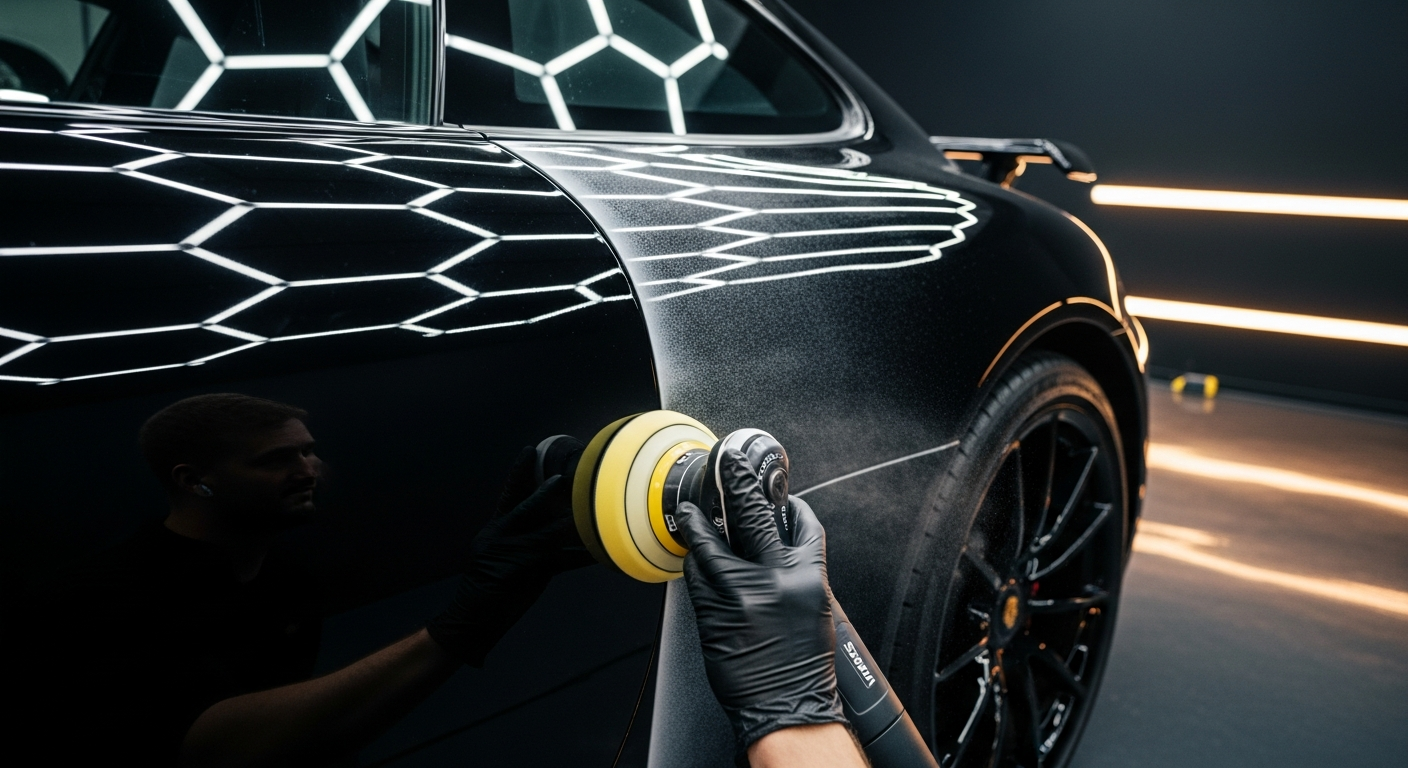
Paint Correction in Calgary: Single vs Multi-Stage Polishing Explained (2026)
The honest breakdown of single-stage vs multi-stage paint correction in Calgary — what each removes, what each costs in 2026, and how to choose before a ceramic coating or PPF install.
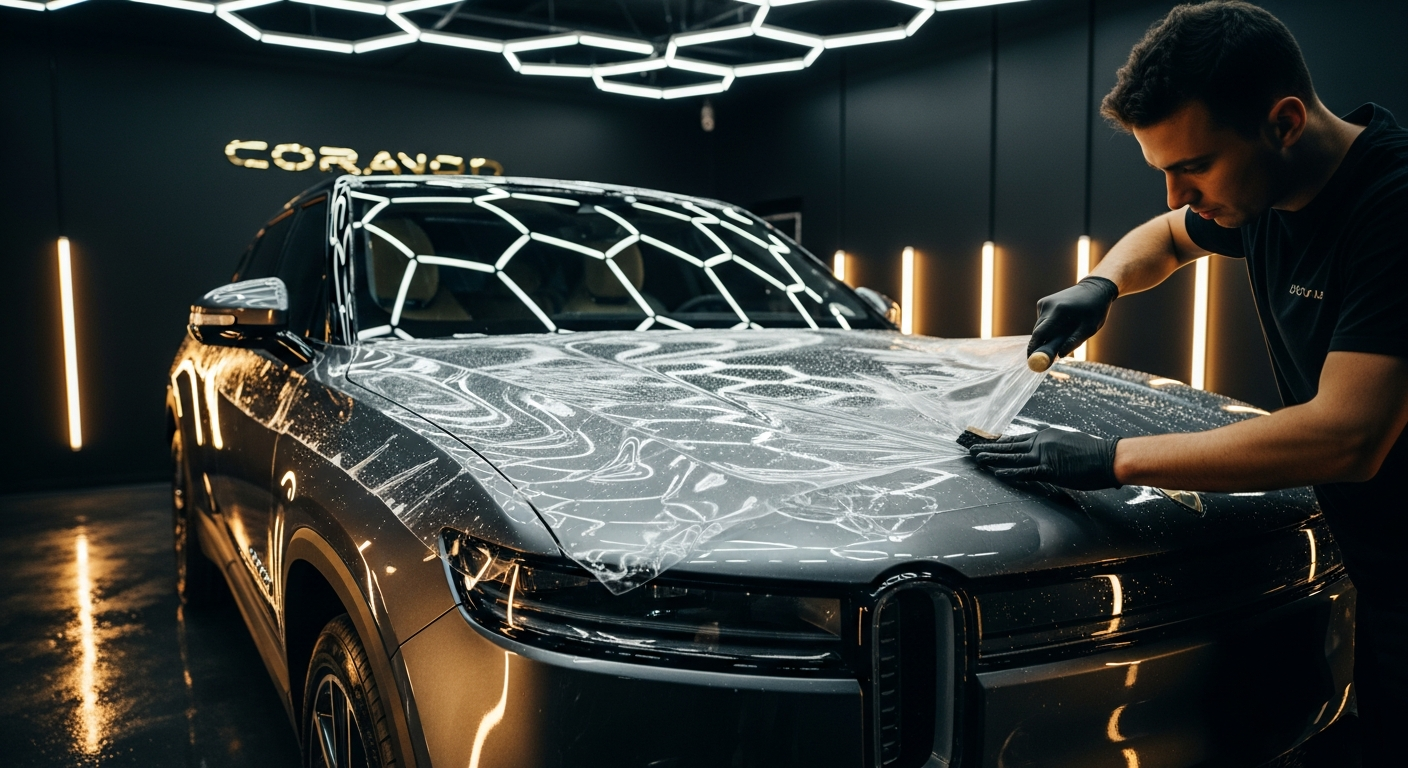
New EV Paint Protection in Calgary: Beyond Tesla
Rivian, Lucid, Polestar, Lyriq and the new EV wave ship with soft factory paint. Here is how to protect a new electric vehicle in Calgary: PPF, ceramic coating, and the delivery-week timing that matters most.
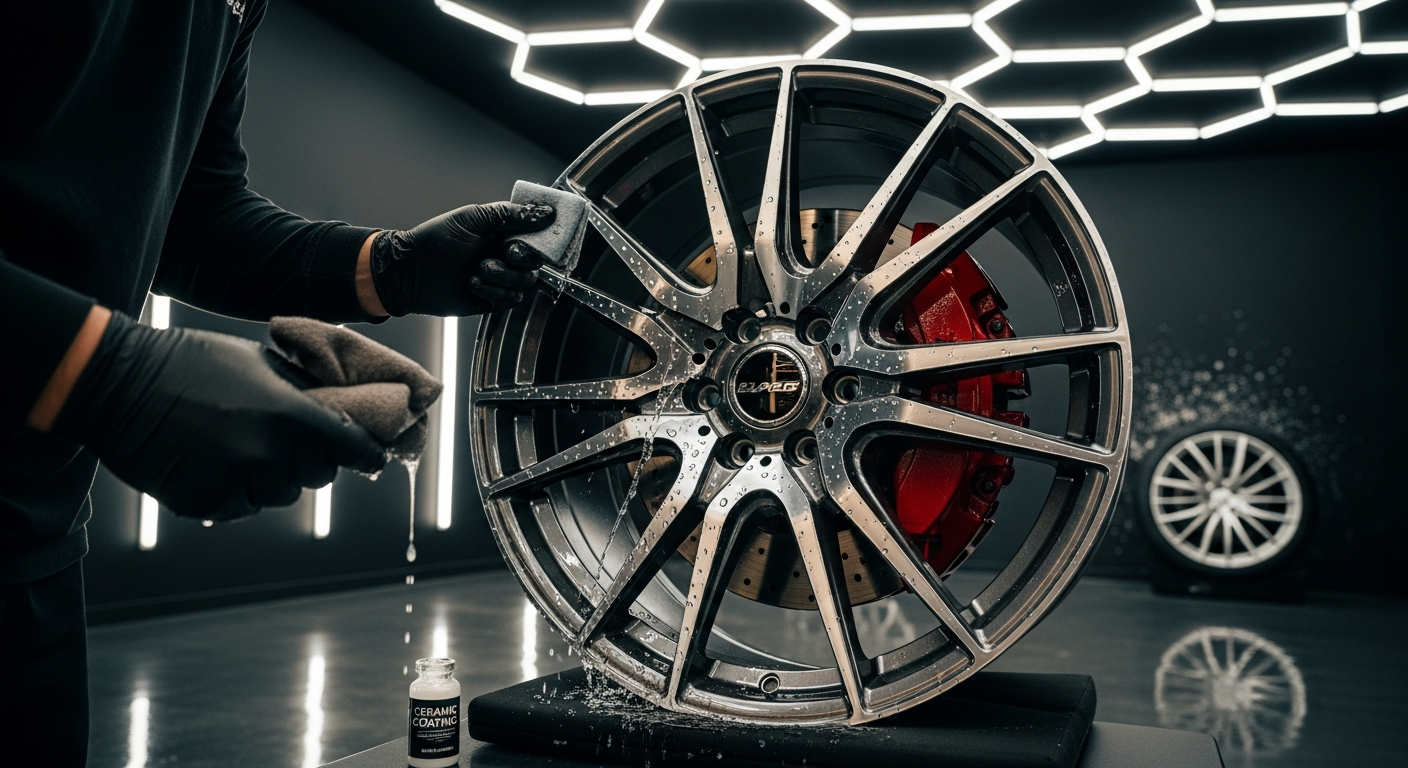
Ceramic Coating for Wheels & Calipers in Calgary
Your wheels and brake calipers take the worst of a Calgary winter. Here is how a wheels-off ceramic coating stops road-salt corrosion and baked-on brake dust — and why timing it before the first salt drop is everything.