
Ceramic Coating Maintenance in Calgary (2026 Guide)
Quick answer: A ceramic coating is not maintenance-free — it is low-maintenance. To keep its hydrophobics alive through Calgary's brine, slush, and hard water, wash it with a pH-neutral shampoo every 10–14 days in winter and every 2–3 weeks in summer, and never let road salt sit on the paint longer than about 48 hours.
Key Takeaways
- A ceramic coating is not maintenance-free — it is low-maintenance. To keep its hydrophobics alive through Calgary's brine, slush, and hard water, wash it with a pH-neutral shampoo every 10–14 days in winter and every 2–3 weeks in summer, and never let road salt sit on the paint longer than about 48 hours.
- Top up the coating with a dedicated ceramic booster (a spray-on SiO₂ topper) every 3–4 months. The booster is what restores the slick, self-cleaning beading as the surface energy slowly climbs over a Calgary winter — it is the single most-skipped step and the main reason coatings 'stop working' early.
- Book a professional decontamination — iron remover, clay, and a fresh booster layer — once a year, ideally in spring after the salt season ends. This strips bonded brine and mineral spotting that a normal wash cannot, and it is what keeps a multi-year warranty valid.
- The fastest way to ruin a coating is the automatic brush wash. The spinning brushes at touch tunnels are loaded with embedded grit that can micro-marr even a hard coating — touchless or a careful two-bucket hand wash only.
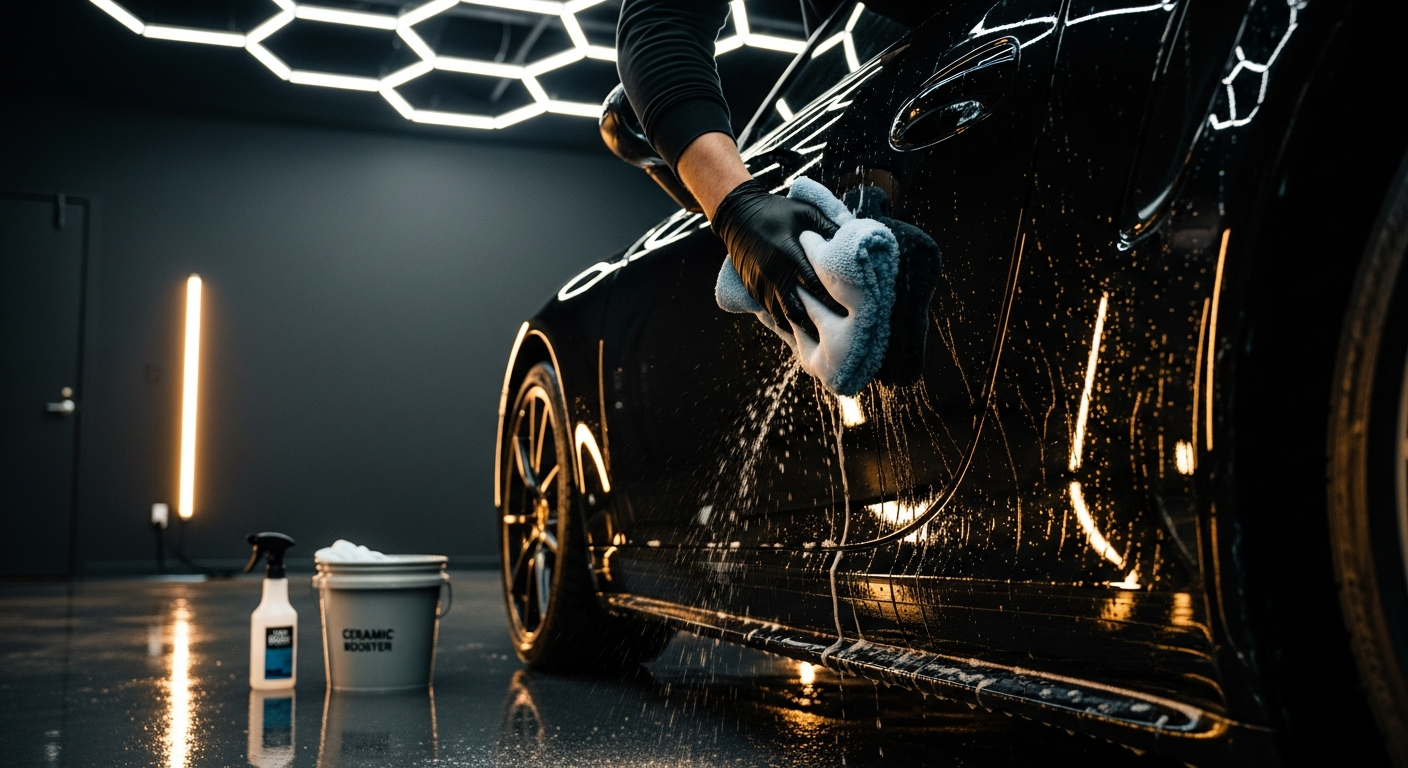
You spent four figures on a ceramic coating in Calgary, drove out of the studio with the car beading like glass — and six months later the water is crawling, the brine is sticking, and you are wondering whether the coating ever worked at all. Almost always, the coating is fine. What failed was the ceramic coating maintenance, and in a city that runs calcium chloride brine for half the year, that maintenance is not optional.
The short answer: To maintain a ceramic coating in Calgary, wash it with a pH-neutral shampoo every 10–14 days in winter (every 2–3 weeks in summer), never let road salt sit longer than ~48 hours, apply a ceramic booster every 3–4 months to refresh the beading, book a professional decontamination once a year in spring, and never use a brush automatic wash. A coating is low-maintenance, not no-maintenance — that routine is the entire difference between a coating that lasts its rated lifespan and one that quietly dies in eighteen months.
Below is the complete, honest aftercare playbook we give every client who has a coating installed in our studio. If you have not coated your car yet and you are still comparing chemistries, start with our breakdown of how a graphene-infused coating shrugs off water spots versus a standard ceramic — this guide picks up the moment the coating is already on your paint.
Why Ceramic Coating Maintenance Is Different in Calgary
In a mild climate, a ceramic coating mostly looks after itself. Calgary is not a mild climate. From October through April the city runs sodium chloride and liquid calcium chloride — not the magnesium chloride you will often see quoted — and below -15°C switches to a 3% salt, 97% gravel sanding mix. Unlike dry rock salt, liquid brine stays wet, clings to your lower panels and rockers, and dries into a stubborn, mineral-rich film. Layer on traction sand at every intersection, freeze-thaw cycles, panel temperatures that can swing roughly 70°C between a deep-winter night and a sun-baked summer afternoon, and notoriously hard tap water that leaves calcium spotting the moment it dries, and you have a perfect storm aimed squarely at a coating's surface chemistry. The City of Calgary publishes exactly how aggressively it treats the roads on its snow and ice control program page — and every one of those treatments ends up on your paint.
Biggest Threats to a Calgary Ceramic Coating (ranked by how often we see them)
Notice that three of the top five threats are things you control with a wash routine, and a fourth — skipped booster top-ups — is the most common mistake of all. None of these damage the coating overnight. They wear it down quietly, which is exactly why so many owners are surprised when the beading disappears.
The Wash Routine That Actually Preserves a Coating
A coating makes washing faster, not unnecessary. One caveat before any of this applies: a brand-new coating has a no-wash window before that routine can even start, and in Calgary the length of that window is what decides how late in the year you should book. The goal of every wash is to remove brine, grit, and minerals before they bond to the coating — and to do it without dragging contamination across the surface. Here is the disciplined sequence we teach:
Pre-Rinse the Brine Zones First
Step 1Before you touch the paint, flood the lower panels, rockers, wheel wells, and door jambs with water to flush off the heaviest salt and grit. This is where Calgary brine concentrates, and it is the grit most likely to scratch.
Foam with a pH-Neutral Shampoo
Step 2A pH 6–8 ceramic shampoo lifts dirt without attacking the coating. Skip dish soap, "wax-stripping" prep soaps, and anything strongly alkaline — they all shorten hydrophobic life.
Two-Bucket Wash, Top-Down, Straight Lines
Step 3One bucket of soap, one of clean rinse water with a grit guard. Wash from the cleanest panels down to the filthy rockers, in straight lines rather than circles, with a plush microfiber mitt.
Dry Before It Spots
Step 4Calgary hard water etches mineral spots the instant it dries in the sun. Dry by hand with a clean microfiber towel or push the water off with a blower — never let a coated car air-dry on a hot day.
Do that every 10–14 days through winter and every 2–3 weeks in summer, and you have handled 80% of coating maintenance. The reason the routine is so quick on a coated car is the whole point of paying for the coating: contamination sits on top of a slick, non-porous surface instead of keying into your clear coat. The same care principles apply to a film-wrapped car — our PPF maintenance guide covers the differences if your vehicle wears both.
The one summer threat that catches even diligent owners off guard is hard-water spotting, because a coating delays it rather than preventing it — our guide to how to remove and prevent water spots covers the two types and the safe way to clear each. The other pair of summer culprits — bird droppings and tree sap — wipe off a coated car far more easily too, provided you soak-and-lift them before the heat bakes them on. A coating pays off the same way during wildfire season, when rinsing off wildfire ash safely matters far more than most owners realize.
The Step Everyone Skips: The Ceramic Booster
Here is the part almost no one is told at the point of sale. A coating's surface energy slowly climbs as it ages — micro-contamination and UV exposure gradually dull its ability to repel water. A ceramic booster (sometimes called a topper, SiO₂ spray sealant, or maintenance spray) is a thin, spray-on layer of the same silica chemistry that you apply over a freshly washed coating to reset that surface energy. Beading tightens back up, the self-cleaning effect returns, and you effectively extend the coating's working life one season at a time. The naming causes real confusion at the counter, so we have explained how an SiO₂ spray sealant differs from the coating underneath it.
Watch the Water, Not the Shine
The honest test of whether your coating still works has nothing to do with how glossy the car looks. Rinse a panel and watch the water. If it beads tight and sheets off, you are protected. If it flattens, clings, and crawls, your surface energy has climbed and it is time for a booster. By the time the gloss looks dull, the protection has usually been gone for months.
Apply a booster every 3–4 months — three to four times a year for a daily driver, with one refresh timed for spring right after the salt season. Cars that go away for the winter run on a different schedule: a coated car heading into storage wants its booster before it goes under the cover, not in March. You can do this yourself in twenty minutes after a wash, or fold it into a professional maintenance visit. It is the single highest-return, most-skipped step in coating ownership.
The Annual Professional Decontamination
A wash removes what sits loosely on the surface. It does not remove what has chemically bonded to it — and over a Calgary winter, plenty bonds: embedded iron fallout from brake dust, mineral water spotting, a microscopic film of dried brine, and — on cars that get a pre-winter rust proofing appointment — an oil undercoating overspray that has drifted onto a coated panel. Left in place, that contamination holds salt and moisture against the coating and accelerates its decline. Once a year, ideally in spring, the fix is a professional decontamination:
Iron Remover
Stage 1A dedicated fallout remover chemically dissolves the embedded brake-dust iron and bonded brine that a wash leaves behind, lifting it off the coating without any abrasion.
Clay / Mitt Decontamination
Stage 2A fine clay bar or clay mitt glides over the lubricated surface to pull off any remaining bonded contaminants and mineral spotting, leaving the coating glass-smooth again.
Inspection & Booster Re-Application
Stage 3We assess whether the coating is still performing or nearing end of life, then lay a fresh booster layer to restore full hydrophobics for the season ahead.
This annual service is also what keeps most multi-year coating warranties valid — they are conditional maintenance contracts, not blank guarantees, and it is worth reading what your coating's warranty actually requires of you before assuming the years on the invoice are automatic. If your coating ever does reach the point where a booster no longer revives the beading, the next step is to assess the paint underneath, which usually means correcting the paint before it's re-coated so the new layer bonds to a flawless surface. Professional decontamination and assessment are exactly the kind of standardized work the International Detailing Association certifies detailers to perform consistently.
DIY Maintenance vs. Professional Care
Plenty of coating maintenance is genuinely DIY-friendly. Some of it is not. Here is the honest division of labour. One constraint sits above the whole table, and it is legal rather than technical — where the City of Calgary draws the line on washing at home rules out soap in the driveway regardless of which product you reach for.
| Task | DIY at Home | Best Left to a Pro |
|---|---|---|
| Routine pH-neutral wash | Yes — every 10–14 days | — |
| Drying to prevent water spots | Yes | — |
| Ceramic booster top-up | Yes — quick after a wash | Optional, folded into a visit |
| Iron / brine decontamination | Light only | Yes — annual deep decon |
| Clay-bar bonded contamination | Risky without lubrication | Yes |
| Coating end-of-life assessment | No | Yes |
| Re-coat / paint correction | No | Yes |
The Pros
- DO wash with a pH-neutral shampoo every 10–14 days in winter and dry the car before water can spot.
- DO apply a ceramic booster every 3–4 months — it is the cheapest way to extend a coating you already paid for.
- DO book one professional decontamination a year in spring to clear bonded brine and keep your warranty valid.
- DO pre-rinse the rockers and wheel wells first — that is where Calgary brine and the most damaging grit collect.
The Cons
- DON'T run a coated car through brush (friction) automatic washes — the embedded grit permanently scratches even a hard coating.
- DON'T use dish soap, wax-stripping prep soaps, or strong alkaline degreasers on the coated surface.
- DON'T let calcium chloride brine sit on the paint longer than about 48 hours.
- DON'T judge a coating by its shine — beading is the real gauge, and a flat bead is your cue to boost.
What This Actually Costs to Get Right
Coating maintenance is inexpensive relative to the coating itself. A quality pH-neutral shampoo and a bottle of ceramic booster run a modest annual cost, and an annual professional decontamination is a fraction of what you paid for the original install — and it protects that investment. If you want to see how the upfront numbers break down across tiers before you commit, our transparent ceramic coating cost breakdown lays out every package, and Obsidian Auto's ceramic coating service page details the warranties and the annual maintenance plans we offer to keep your coating performing for its full rated life. Wheels and calipers take the worst of the brine, so many clients add a wheels-off coating for their alloys and brake calipers to keep that salt off the hardest part of the car to clean. The same maintenance mindset extends inside the car — an interior coating on the leather and Alcantara keeps the cabin shedding spills and salt as easily as your coated paint sheds water. That same easy-clean logic applies to the glass — a hydrophobic windshield coating keeps rain sheeting off and frost releasing through the worst of winter.
Coating Beading Gone Flat?
Bring your coated vehicle to our Calgary studio for a maintenance decontamination and booster refresh. We will strip the winter's bonded brine, restore the hydrophobics, and tell you honestly how much working life your coating has left.
Book a Maintenance ServiceGet That Showroom Shine That Lasts
Join 705+ Calgary drivers who trust Obsidian Auto for ceramic coating
Serving Calgary and surrounding areas • Free Uber shuttle with every service
Frequently Asked Questions

Ready to Protect Your Vehicle?
Get a quote from Calgary's most trusted detailing studio. We use only the best materials and back our work with industry-leading warranties.
Get A QuoteRelated Intelligence
How to Clean and Maintain PPF in Calgary: The Definitive Care Guide
Protect your investment. The dos and don'ts of washing PPF, choosing soaps, and using ceramic boosters.
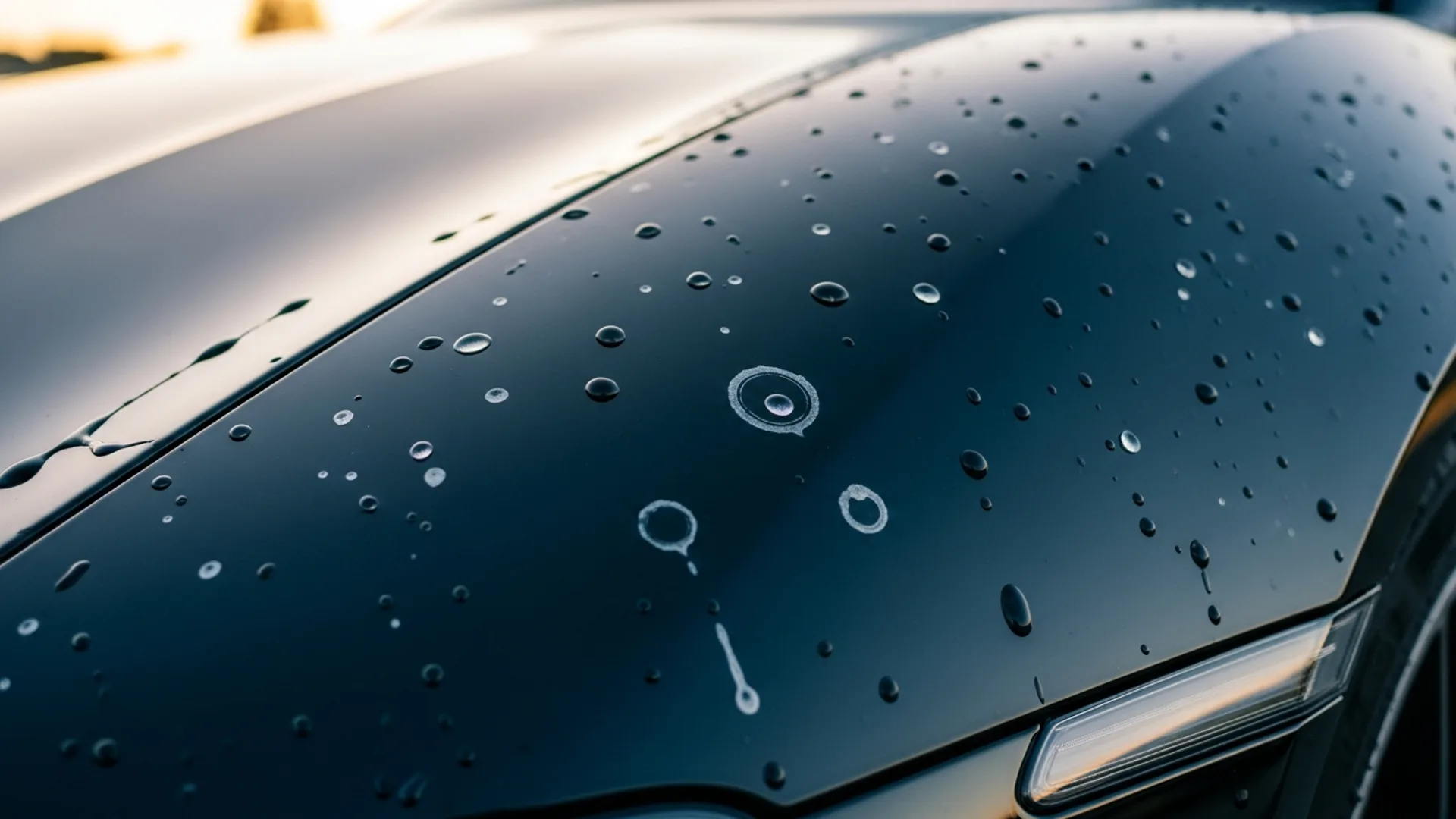
Water Spots on Ceramic Coating: A Calgary Summer Fix
A ceramic coating doesn't make your car immune to water spots — Calgary's hard tap water still leaves mineral rings on coated paint. Why they form, the difference between a Type 1 deposit and Type 2 etching, how to remove each safely, and the summer habits that stop them before the sun bakes them on.
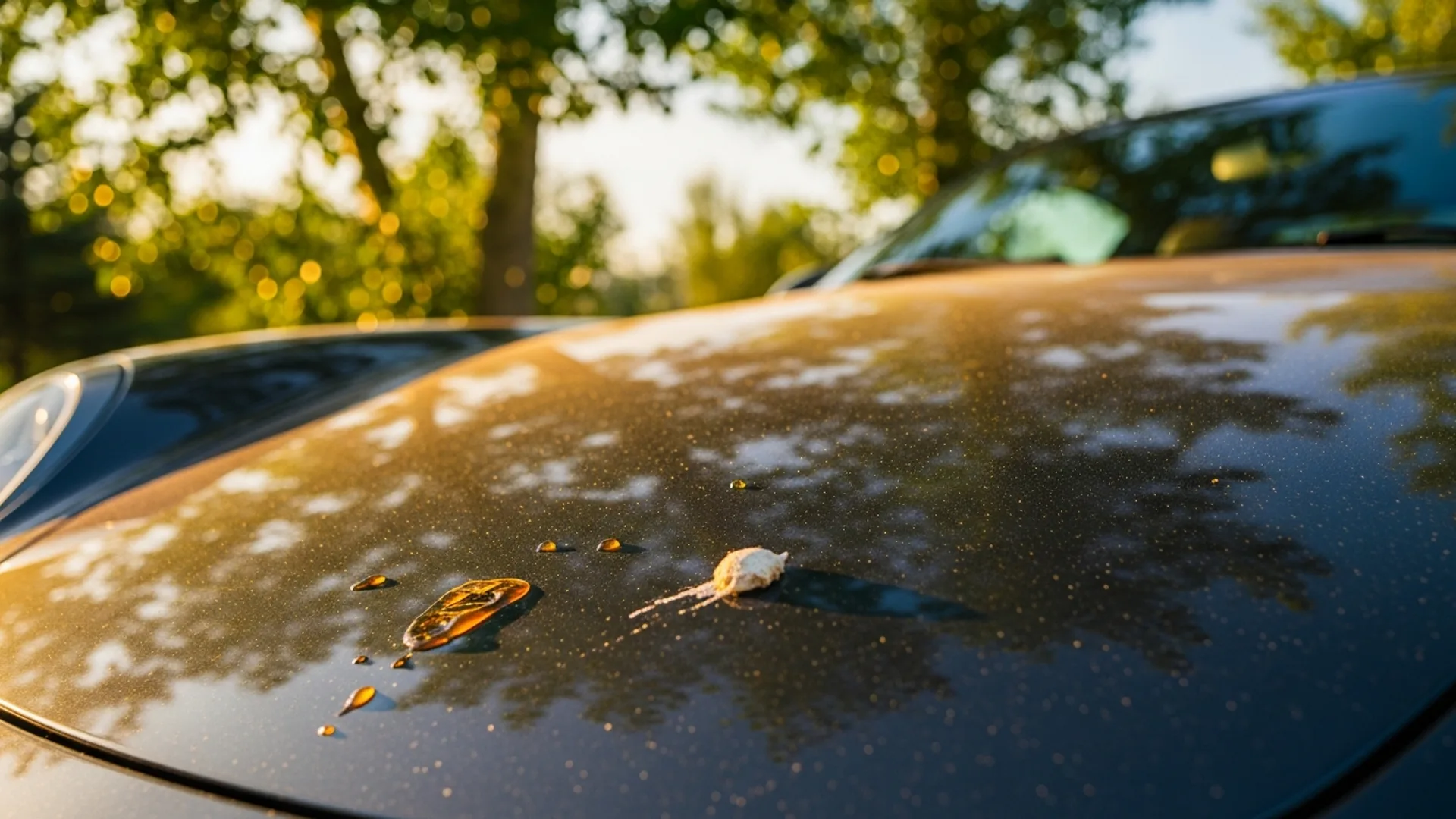
Bird Droppings & Tree Sap: A Calgary Summer Paint Fix
Bird droppings and tree sap are the two things most likely to permanently mark a luxury car's paint over a Calgary summer — and they damage it in completely different ways. How fast each one etches in the heat, the safe soak-and-dab way to remove both without scratching, and what a ceramic coating or PPF really does (and doesn't) do to protect you.