
Graphene vs Ceramic Coating in Calgary: Which Wins Winter? (2026)
Quick answer: A graphene coating is not a different chemistry from ceramic — it is a ceramic (SiO₂) coating infused with a small percentage of graphene oxide. The graphene adds anti-static behaviour, better heat dissipation, and a measurable edge in water-spot resistance, which matters more in Calgary than almost anywhere else.
Key Takeaways
- A graphene coating is not a different chemistry from ceramic — it is a ceramic (SiO₂) coating infused with a small percentage of graphene oxide. The graphene adds anti-static behaviour, better heat dissipation, and a measurable edge in water-spot resistance, which matters more in Calgary than almost anywhere else.
- For a daily-driven car facing Calgary's calcium chloride brine, slush, and meltwater spotting, a professionally installed graphene coating is the better real-world choice — it sheds salty water more cleanly and is generally rated to hold its hydrophobics longer. Manufacturers typically claim 5–7 years versus 2–5 for a standard ceramic, though a hard Calgary winter shortens both.
- Application quality beats the additive every time: a properly prepped, paint-corrected, professionally installed traditional ceramic will out-perform any $50 DIY 'graphene' spray bottle. The label on the bottle matters far less than the hands applying it.
- Neither coating stops rock chips. In a gravel-and-sand city like Calgary, the premium answer is paint protection film on the impact zones with a graphene or ceramic coating over the rest of the body.
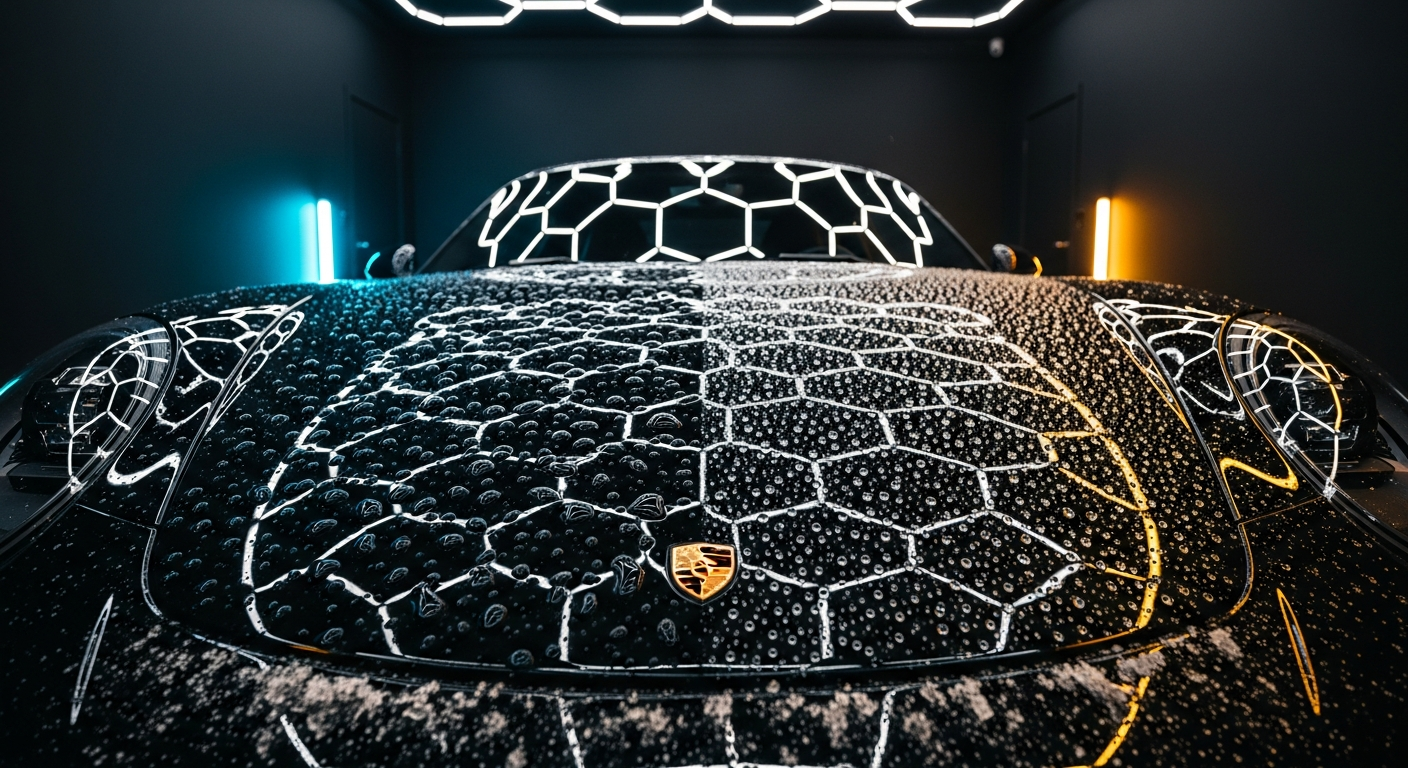
Walk into any detailing studio in Calgary in 2026 and you will be offered two flavours of paint coating: a traditional ceramic coating and a newer, pricier graphene coating. The marketing around graphene is loud, the price gap is real, and almost none of the information online answers the only question that matters here — which one actually survives a winter of calcium chloride brine, slush, and -40°C nights on a car you paid six figures for.
The short answer: A graphene coating is a ceramic (SiO₂) coating infused with graphene oxide. For a daily-driven car in Calgary, graphene is the better real-world choice — it is anti-static, so it resists the water spotting that slush and road-salt brine cause, and it is generally rated for longer hydrophobics — manufacturers typically claim 5–7 years versus 2–5 for standard ceramic, depending on care. But a professionally installed traditional ceramic still outperforms any DIY graphene spray bottle. Prep and application quality matter more than the additive.
Below we break down what each coating actually is, where graphene genuinely earns its premium in our climate, where it is just marketing, and how to choose for your specific vehicle. If you are still deciding between a coating and film altogether, start with our ceramic coating vs PPF breakdown first — this guide assumes you have already decided you want a coating.
What a Ceramic Coating Actually Is
A ceramic coating is a liquid polymer built around silicon dioxide (SiO₂), sometimes with titanium dioxide added. When it is applied to a properly prepared clear coat and allowed to cure, it cross-links into a hard, transparent, semi-permanent layer that bonds at a molecular level to the paint. That layer does four things: it adds gloss and depth, it makes the surface strongly hydrophobic so water beads and runs off, it resists chemicals and UV, and it provides a slick, non-porous barrier that contaminants struggle to bond to.
What a ceramic coating is not is a force field. It will not stop a rock from chipping your bumper, it will not self-heal a scratch the way paint protection film does, and it is only as good as the surface underneath it. Apply a coating over swirl marks and contamination and you permanently lock those defects in — which is why a real coating job always starts with measurement and correction, not the coating itself.
What a Graphene Coating Actually Is (And Isn't)
Here is the part the marketing tends to skip: there is no commercially available pure graphene coating. What the industry sells as a "graphene coating" is a traditional SiO₂ ceramic matrix with a small percentage — usually somewhere between 0.5% and 2% — of graphene oxide blended into it. So the honest framing is not "graphene or ceramic." It is "ceramic, with or without a graphene additive."
That additive does change real, measurable behaviour, though, and three of those changes happen to line up perfectly with Calgary's specific problems:
- Anti-static surface. Graphene reduces the static charge a coated panel holds. Less static means less dust cling and — more importantly here — water spots bond less aggressively, because mineral-laden slush and meltwater sheet off rather than sitting and drying on the paint.
- More even heat behaviour (the smaller benefit). Graphene is marketed as spreading thermal energy across the panel more evenly, which may help a black car cycling between a -30°C night and a +25°C spring afternoon resist the micro-stresses of repeated freeze-thaw. Of the three, this is the most modest advantage — the water-spot edge is the one that actually changes your week-to-week ownership.
- Slightly more flexibility and longevity. Graphene-infused coatings tend to stay flexible a little longer, which is part of why their hydrophobic performance often outlasts a standard ceramic by a couple of years.
Graphene vs Ceramic: The Head-to-Head
The variables that actually matter to a Calgary owner are durability, how each handles salt and water spotting, cold-weather behaviour, and cost. Here is the honest comparison.
| Factor | Traditional Ceramic | Graphene-Infused |
|---|---|---|
| Base chemistry | SiO₂ (silicon dioxide) | SiO₂ + ~0.5–2% graphene oxide |
| Hydrophobic lifespan (daily driver) | 2–5 years | 5–7 years |
| Water-spot resistance | Good | Better (anti-static surface) |
| Salt / brine sheeting | Strong barrier | Strong barrier + sheds more cleanly |
| Heat dissipation | Standard | Marketed as more even (minor) |
| Gloss & depth | Excellent | Excellent (marginal difference) |
| Stops rock chips | No | No |
| Calgary pro install cost | $900–$2,200 | $1,200–$3,000+ |
Notice what is not on that list: a dramatic gloss difference. Side by side on a freshly corrected panel, most owners cannot tell a graphene coating from a top-tier ceramic by looking at it. The graphene premium is not about how the car looks on day one — it is about how it behaves through years of salty winters and how long it keeps shedding water.
Why This Comparison Is Different in Calgary
In a mild coastal city, the graphene-versus-ceramic debate is mostly academic. In Calgary it is not, because our winters attack a coating in exactly the areas where graphene has an edge. From October to April the city runs calcium chloride and magnesium chloride brine as an anti-icer — and unlike rock salt, brine stays liquid, clings to the lower panels, rockers, and wheel faces, and dries into stubborn mineral spotting. Add traction sand at every intersection, automatic touch-tunnel washes that every condo and gas station pushes you toward, and a 70°C swing between a July afternoon and a January overnight.
What Actually Degrades a Coating on a Calgary Daily Driver
Look at the top of that chart. The two biggest enemies of a coating in this city are both forms of mineral water spotting. Water-spot resistance is precisely the category where graphene's anti-static surface measurably outperforms standard ceramic — and that is the entire practical case for graphene in Calgary, a real one. Whichever coating you run, it pays to know removing Type 1 vs Type 2 spots before a summer of hard water turns deposits into etching.
The Real Test Is in March, Not on Day One
Any coating looks spectacular the afternoon you pick the car up. The honest comparison happens at the end of a Calgary winter — after five months of brine, slush, and -30°C mornings — when you rinse the car and see whether water still sheets off the rockers or whether it crawls and spots. That late-winter behaviour is what you are actually paying the graphene premium for.
Application Beats the Additive — Every Time
The most important thing we can tell you is also the least exciting: the words on the bottle matter far less than the hands applying it and the surface underneath. A flawlessly prepped, paint-corrected, professionally installed traditional ceramic will outperform a graphene coating that was rushed onto an uncorrected, contaminated panel — every single time. Graphene does not fix bad prep; it just locks bad prep in for longer.
A correct coating install in our Calgary studio follows the same disciplined sequence regardless of which coating you choose:
Decontamination & Measurement
Day 1Two-bucket wash, iron remover, clay bar, and a full paint depth reading on every panel. We confirm what we are working with before any polish touches the paint.
Paint Correction
Day 1–2Single or multi-stage correction to remove swirls, holograms, and water-spot etching. Whatever is on the paint when the coating goes down is sealed under it — so this step is non-negotiable.
IPA Wipe-Down
Day 2Every panel is stripped of polish oils with isopropyl alcohol so the coating bonds to bare, clean clear coat — not to a film of residue that would let it fail early.
Coating Application & Cure
Day 2–3The ceramic or graphene coating is laid down in controlled, even passes and levelled before flash, then left to cure in a climate-controlled bay. Rushing the cure is how high spots and early failure happen.
For more on why that correction step is so critical, our deep dive on single vs multi-stage paint correction explains exactly what gets removed, and our guide on why correction always comes before a coating explains why coating over defects is a permanent mistake. Worth knowing too that the timeline above only covers the studio portion — either coating still needs the one to three weeks before it's fully hardened, which happens after the car goes home.
Which Should You Choose?
The Pros
- Choose GRAPHENE if the car is a daily driver that sees Calgary winters — the anti-static, water-spot resistance and longer hydrophobic life are worth the premium where brine and slush are the daily reality.
- Choose graphene for dark colours (black, deep grey, navy) where water spotting and swirls show the most and the more even heat behaviour helps.
- Choose graphene if you keep cars long-term — the extra 2+ years of hydrophobics lowers the cost per winter.
- Layer either coating over PPF on the impact zones for the complete premium build.
The Cons
- Choose a quality traditional CERAMIC if the car is garaged, summer-only, or rarely sees salt — you will not stress the coating hard enough to need graphene.
- Skip the graphene upgrade if a shop cannot show you their correction process — a graphene label on a rushed install is wasted money.
- Do not expect either coating to stop rock chips, prevent all scratches, or eliminate winter washing — they reduce work, they do not remove it.
- Be skeptical of any DIY "graphene" spray claiming 7-year protection — bottle products are topper-grade, not a substitute for a professional install.
The Premium Answer: Coating + Film Together
For the Porsche, Tesla, and exotic owners we work with, the question is rarely "graphene or ceramic" in isolation — it is "how do I protect a car like this completely." The honest premium answer is a layered system: paint protection film on the high-impact front clip to stop Calgary's gravel and rock strikes, with a graphene or ceramic coating over the film and the rest of the body so the whole car carries one slick, salt-shedding, hydrophobic surface. Soft-paint vehicles benefit most — see our notes on coating choices for Tesla's notoriously soft paint. For the full install-order breakdown and combo pricing, our PPF and ceramic coating together guide covers exactly how to sequence the two and what each Calgary combo package runs.
If you want to understand exactly where the dollars go before you book, our transparent ceramic coating pricing in Calgary guide breaks down every tier, and our professional ceramic coating service page covers the packages, warranties, and the graphene upgrade option in detail.
And once the coating is on the car, keeping its hydrophobics alive through the salt season is its own discipline — our ceramic coating maintenance guide for Calgary walks through the wash routine, booster schedule, and annual decontamination that make either coating last its full rated life. The same chemistry pays off on the parts that bake in brake heat and road brine — see why a coating on your wheels and brake calipers is the most overlooked winter upgrade — and the same surface science protects the cabin, where an interior coating for leather and Alcantara resists the spills, salt, and UV that age an interior fastest. And because any coating only locks in the finish underneath it, it is worth understanding what car polishing involves in Calgary before you commit to either coating.
Not Sure Which Coating Your Car Needs?
Bring your vehicle to our Calgary studio. We will assess your paint, how you drive, and where the car lives — then tell you honestly whether the graphene upgrade is worth it for you, or whether a quality ceramic is all you need.
Request a Coating ConsultationGet That Showroom Shine That Lasts
Join 705+ Calgary drivers who trust Obsidian Auto for ceramic coating
Serving Calgary and surrounding areas • Free Uber shuttle with every service
Frequently Asked Questions
Sources
External references used in this guide
Ready to Protect Your Vehicle?
Get a quote from Calgary's most trusted detailing studio. We use only the best materials and back our work with industry-leading warranties.
Get A QuoteRelated Intelligence
PPF vs Ceramic Coating in Calgary: Which Protection Does Your Car Need?
The battle of protection. Do you need impact resistance or gloss? We explain why the "Halo Package" (both) is the ultimate solution.
Ceramic Coating vs PPF: Which is Right for Your Calgary Vehicle? (2026)
Complete comparison guide covering costs, protection levels, when to choose each, and why the combination provides ultimate protection. 2,500+ words of expert analysis.
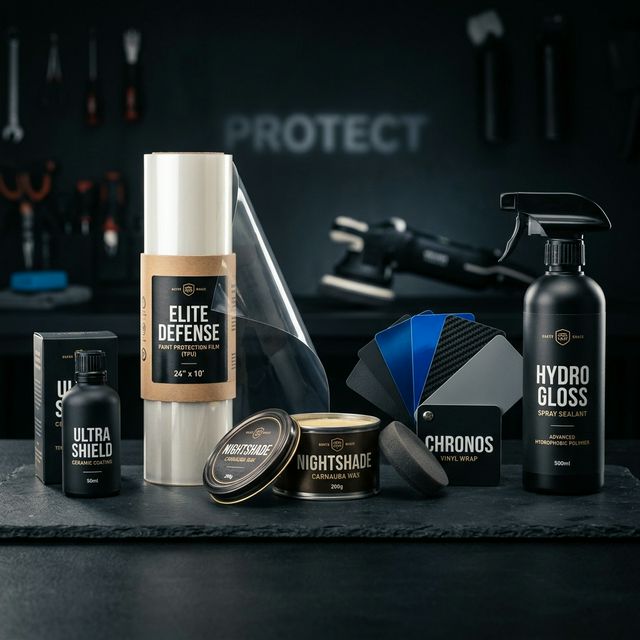
What Is the Alternative to Paint Protection Film? All Options Compared
Ceramic coating, vinyl wrap, sealant, and wax compared to PPF. Only PPF stops rock chips — alternatives protect against different threats.