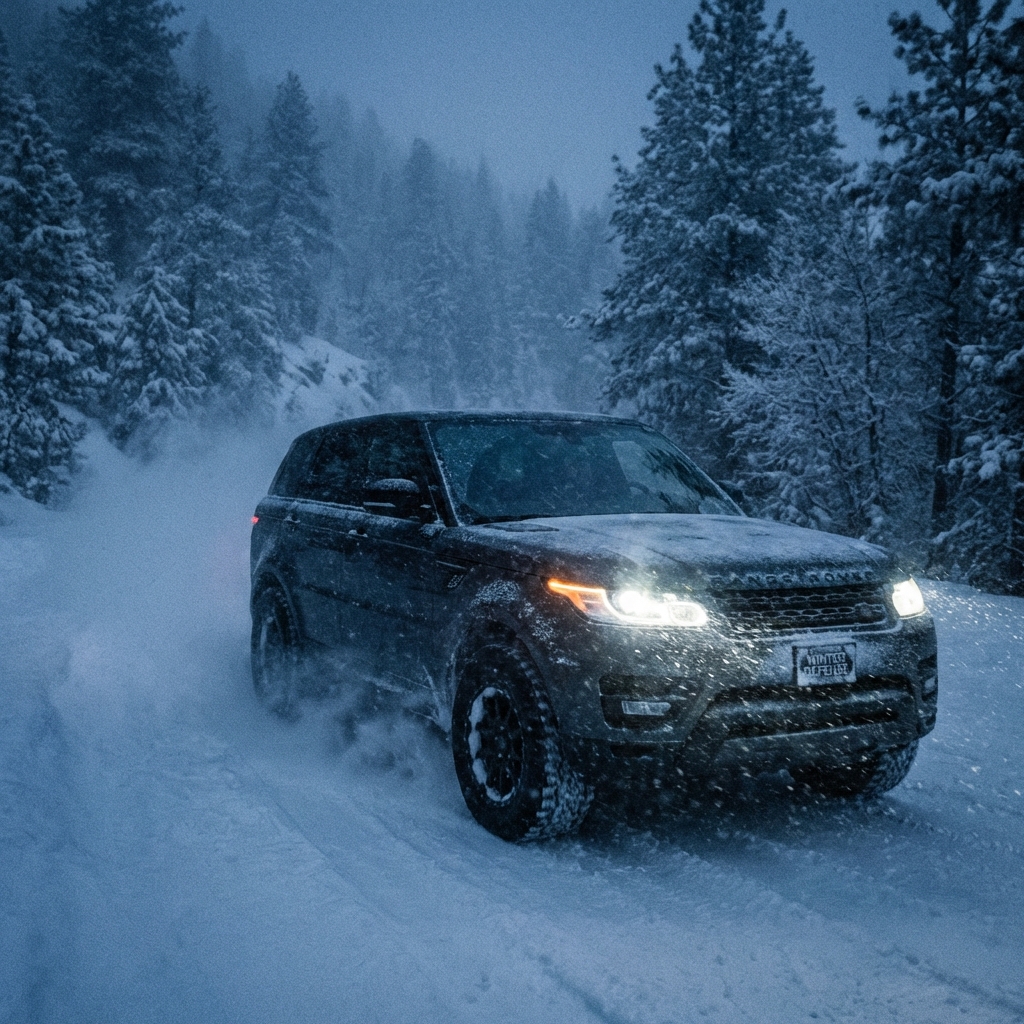
When to Install PPF in Calgary: Before Winter, After, or Does It Not Matter?
Quick answer: The ideal time to install PPF is immediately after vehicle purchase — every unprotected day accumulates damage that cannot be reversed. Fall installation (September–October) maximizes value by protecting through the entire winter damage season. PPF CAN be installed year-round in a climate-controlled facility — winter installation is not inferior to summer.
Key Takeaways
- The ideal time to install PPF is immediately after vehicle purchase — every unprotected day accumulates damage that cannot be reversed.
- Fall installation (September–October) maximizes value by protecting through the entire winter damage season.
- PPF CAN be installed year-round in a climate-controlled facility — winter installation is not inferior to summer.
- Installing after winter means you first need paint correction (from $599) to fix winter damage before film application.
Install PPF before winter, not after. Fall (September–October) is the best strategic window: it puts protection in place before Calgary's highest-damage season and avoids the paint correction bill ($599+) that spring installers almost always face after five months of salt and gravel. In a professional climate-controlled facility, installation quality is identical year-round — so the only variable that matters is how much damage your paint accumulates while you wait.
One of the most common questions we hear at Obsidian Auto is about timing. Should I get PPF before winter? After winter? Does the season even matter for the installation itself? The answers are straightforward, but the strategic implications are significant for your wallet.
The Real Question: When Does Your Vehicle Take Damage?
To understand timing, you need to understand when Calgary's roads actually damage your paint:
Monthly Rock Chip Risk Index (Relative, 1–10 Scale)
The data is clear: Calgary's damage season runs October through April — seven months of elevated risk. Summer (June–August) offers the lowest chip risk, but even then, construction zones and highway debris cause damage. There is no zero-risk month.
Scenario 1: Installing Before Winter (Best)
Installing PPF in September or October — before Calgary's first snowfall and gravel deployment — gives you maximum protection value:
- Your vehicle is protected through the entire 7-month damage season
- No paint correction needed (assuming the car is in good condition from summer driving)
- The film's salt and calcium protection starts immediately
- Scheduling is typically easier than the spring rush
- You avoid the "I should have done this earlier" feeling after the first highway drive on gravel
💡 Pro tip: The ideal window is September 15 – October 31. Early enough to beat the first snow, late enough that fall rain has washed away summer's construction dust.
Scenario 2: Installing During Winter (Good)
Many people think PPF cannot be installed in winter. This is a myth — installation quality is identical when performed in a climate-controlled workspace. Here is what the mid-winter process looks like:
- Vehicle arrives at our heated workspace (maintained at 20–24°C with filtered air)
- 30–60 minutes of climate acclimatization for body panels to reach room temperature
- Standard surface preparation, paint correction, and film application
- Overnight curing in the heated workspace
- Normal delivery with cold-weather care instructions
The advantage of winter installation is that you stop the bleeding immediately — every day you delay during winter adds new chips and salt damage. The disadvantage is that accumulated winter damage may require more extensive paint correction before application.
Scenario 3: Installing After Winter (Adequate but Costly)
Spring installation (March–May) is the most popular time and the busiest for PPF shops. But it comes with drawbacks:
- Paint correction is almost always required — 5+ months of winter driving leaves water spots, calcium staining, swirl marks from ice scrapers, and micro-chips that must be fixed before film application
- Additional cost: Paint correction starts at $599 and adds directly to your PPF project cost
- Longer wait times: Spring is peak booking season — expect 2–4 week lead times vs. 1–2 weeks in fall or winter
- You paid for the entire damage season unprotected — any chips accumulated during winter are permanent paint damage that correction can polish but not fully repair
The Cost of Waiting: A Real Example
| Timing | PPF Cost | Paint Correction | Total Cost | Damage Prevented |
|---|---|---|---|---|
| New Vehicle (Day 1) | $1,499 | $0 (not needed) | $1,499 | 100% of all future damage |
| Before Winter (October) | $1,499 | $0–$150 (light prep) | $1,499–$1,649 | 95% (missed only summer) |
| Mid-Winter (January) | $1,499 | From $599 | From $2,098 | 70% (missed early winter) |
| After Winter (April) | $1,499 | From $599 | From $2,098 | 50% (missed entire winter) |
| 2 Years After Purchase | $1,499 | From $599+ | From $2,098+ | 25% (years of damage done) |
The correction you add in spring is fixed cost — not a sliding scale. Once your paint has enough chips and salt damage to need a full correction session (from $599), every additional month of waiting just deepens the damage that same correction has to address. The best time to install was the day you bought the vehicle. The second best time is today.
Just Bought a Vehicle? Here Is What to Do
If you recently purchased a new or used vehicle in Calgary, here is the optimal timeline:
Contact us for a quote and schedule the installation. The sooner you book, the sooner you are protected.
We will assess the paint, perform any necessary correction, and apply the film. New vehicles often need no correction at all.
Your paint is now protected from every rock chip, salt spray, and environmental threat Calgary can produce.
In our studio, the most common spring conversation goes like this: a client arrives with a brand-new truck they bought the previous September and drove all winter without PPF. The front bumper has 30–40 rock chips, there is salt etching on the hood leading edge, and the fenders have fine gravel scratches from Stoney Trail. We quote them the PPF package plus a paint correction session. Every one of them says the same thing — "I should have just done this in October." They are right, and the price difference proves it.
Get Your Free Quote from Obsidian Auto today — regardless of the season. For pricing details or coverage options, explore our guides.
Ready to Protect Your Vehicle from Rock Chips?
Join 705+ Calgary drivers who trust Obsidian Auto for PPF installation
Serving Calgary and surrounding areas • Free Uber shuttle with every service
Frequently Asked Questions
Ready to Protect Your Vehicle?
Get a quote from Calgary's most trusted detailing studio. We use only the best materials and back our work with industry-leading warranties.
Get A QuoteRelated Intelligence
What Are the Drawbacks of Paint Protection Film? Honest Pros & Cons
Every drawback of PPF explained honestly: cost, texture change, limitations, maintenance restrictions, and removal—plus the counter-arguments that put each in perspective.

How Long Does PPF Last on a Car? Lifespan Guide for Calgary Drivers
Premium PPF lasts 7–10+ years, but Calgary's UV, salt, and temperature swings affect longevity. Brand tiers, maintenance tips, and when to replace.
How Does PPF Look After 5 Years? Real-World Aging & What to Expect
After 5 years on Calgary roads, premium PPF still looks showroom-fresh. We document what 5-year-old film actually looks like, from self-healing to clarity.