
Can You Go Through a Car Wash After Window Tinting? The Complete Guide
Quick answer: Wait a minimum of 3–5 days after window tinting before any car wash — the adhesive needs time to fully cure and bond to the glass. Small water bubbles between the tint and glass during the first 1–2 weeks are completely normal — they are trapped moisture that evaporates through the film.
Key Takeaways
- Wait a minimum of 3–5 days after window tinting before any car wash — the adhesive needs time to fully cure and bond to the glass.
- Small water bubbles between the tint and glass during the first 1–2 weeks are completely normal — they are trapped moisture that evaporates through the film.
- After curing, touchless car washes are safe for tinted windows. Brush-style washes can scratch the interior tint surface over time.
- Never roll down newly tinted windows for 3–5 days — the film edge sits in the window channel and premature movement can peel it.
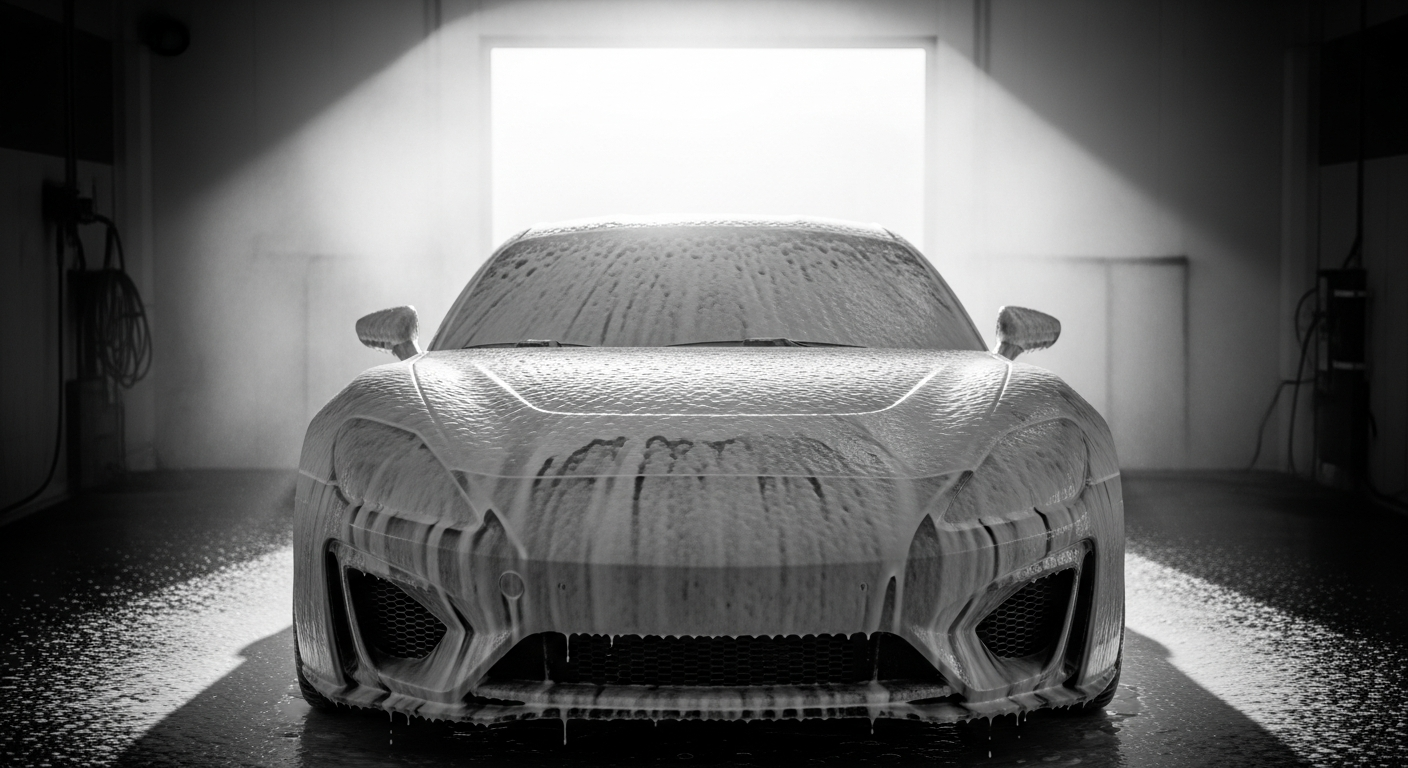
Yes, you can go through a car wash after window tinting — but wait at least 3–5 days first (and 7 days or more in cold Calgary winters) so the adhesive fully cures. Once it has, touchless washes are perfectly safe. Below, we cover exactly how long to wait, why those little bubbles are normal, and which wash types are safe for your new window tint.
The Curing Period: Why Waiting Matters
Window tint is applied to the interior surface of the glass using a water-based adhesive solution. After installation, the adhesive needs to dry and chemically bond to the glass. This is called the curing period, and it is the most vulnerable time for your new tint.
During curing, the adhesive is still soft. Water that seeps under the film edges can prevent bonding, create permanent bubbles, or cause the film to peel. This is why the waiting period is so important.
| Season | Minimum Wait (Car Wash) | Minimum Wait (Roll Windows) | Full Cure Time |
|---|---|---|---|
| Summer (20°C+) | 3 days | 3 days | 3–5 days |
| Spring/Fall (5–20°C) | 5 days | 5 days | 7–14 days |
| Winter (below 5°C) | 7 days | 7 days | 14–30 days |
Calgary's cold winters significantly extend the curing timeline. If your tint is installed in January, allow at least 2 weeks before washing windows and rolling them down.
In our Calgary studio, we tell every customer the same thing when they pick up the car: give it 3–4 days before the first wash, and stretch that to a full week when it's freezing outside. We've watched enough chinook swings — a sunny +8°C afternoon followed by a -20°C overnight — to know the cure clock slows right down in our climate. We send everyone home with a printed aftercare card and our number, and honestly, most of the "is this bubble normal?" texts we get clear up on their own within two weeks exactly as we promised.
The Water Bubble FAQ
Approximately 90% of our post-installation calls are about bubbles. Here is the definitive guide:
✅ Normal (Water Bubbles)
- • Small — pencil eraser size or smaller
- • Flat against the glass (not raised spheres)
- • Scattered randomly across the window
- • Gradually shrinking and disappearing
- • Appear within the first 24–48 hours
🚩 Defect (Air Bubbles)
- • Large — bigger than a dime
- • Raised or dome-shaped
- • Concentrated in one area
- • Not shrinking after 2–3 weeks
- • Getting larger over time
Car Wash Types: Which Are Safe for Tint?
After the curing period, here is your car wash guide:
Water and soap only, no physical contact. This is the best option for tinted vehicles. The water pressure and chemicals used in touchless washes do not affect cured tint adhesive.
Gentle hand washing with automotive-specific soap and a microfiber mitt. For the tinted window interiors, use ammonia-free glass cleaner and a soft microfiber cloth.
Exterior brushes contact the outside of the glass (no tint there), so it is technically safe. However, dirt trapped in brushes can scratch the glass itself. More importantly, the aggressive water jets inside brush washes can force water under edge seals during the first month.
Never aim a high-pressure washer directly at window edges where the tint meets the rubber seal — even after curing. The pressure can force water under the film edge, weakening the adhesive bond over time.
Essential Tint Care Rules
Beyond car washes, here are the daily care rules that maximize your tint's lifespan:
- Never use ammonia-based cleaners. Windex, generic glass cleaners, and multi-surface sprays typically contain ammonia. Over time, ammonia breaks down the tint adhesive and causes the film to turn purple, haze, or peel. Use only products labeled "ammonia-free" or "safe for tinted windows."
- Clean the interior with microfiber only. Paper towels, newspaper, and rough cloths can scratch the film surface. Use a clean, dry microfiber cloth for dusting and a damp microfiber for cleaning — always wiping in straight lines, not circles.
- Be careful with seat belt buckles. A swinging metal seat belt buckle can scratch or gouge the interior tint surface. Let passengers know to handle buckles carefully, especially on rear windows where dark tint is most visible.
- Avoid sticker adhesive on tinted windows. Parking passes, registration stickers, and suction cups should go on non-tinted glass areas only. Removing stickers from tinted windows can pull the film.
Calgary Winter Tint Care
Calgary's winters create specific challenges for window tint maintenance:
- Use your vehicle's defroster to melt ice from the inside rather than ice scrapers on the exterior — the exterior glass is not tinted, but aggressive scraping can damage the rubber seal that protects the tint edge
- Keep window channels clean of salt buildup — salt crystals in the channel can scratch the tint edge when the window moves up and down
- If humidity causes winter condensation on the interior, wipe gently with a dry microfiber cloth rather than running the window down to clear it
For more details on legal tint levels, check our Alberta tint laws guide. Ready to get your windows tinted? Book with Obsidian Auto — we install ceramic tint with maximum heat rejection within legal limits, and provide a full aftercare guide at delivery.
Stay Cool and Protected This Summer
Join 705+ Calgary drivers who trust Obsidian Auto for window tinting
Serving Calgary and surrounding areas • Free Uber shuttle with every service
Frequently Asked Questions

Ready to Protect Your Vehicle?
Get a quote from Calgary's most trusted detailing studio. We use only the best materials and back our work with industry-leading warranties.
Get A QuoteRelated Intelligence
How to Clean and Maintain PPF in Calgary: The Definitive Care Guide
Protect your investment. The dos and don'ts of washing PPF, choosing soaps, and using ceramic boosters.
Ceramic Coating Maintenance in Calgary (2026 Guide)
How to maintain a ceramic coating in Calgary: the pH-neutral wash routine, booster schedule, annual decon, and the mistakes that quietly kill your coating.
How to Safely Remove Bugs, Tar, and Sap from PPF Without Damage
Summer road trips mean bug splatters. Here is the safe way to clean sticky contaminants from your PPF.