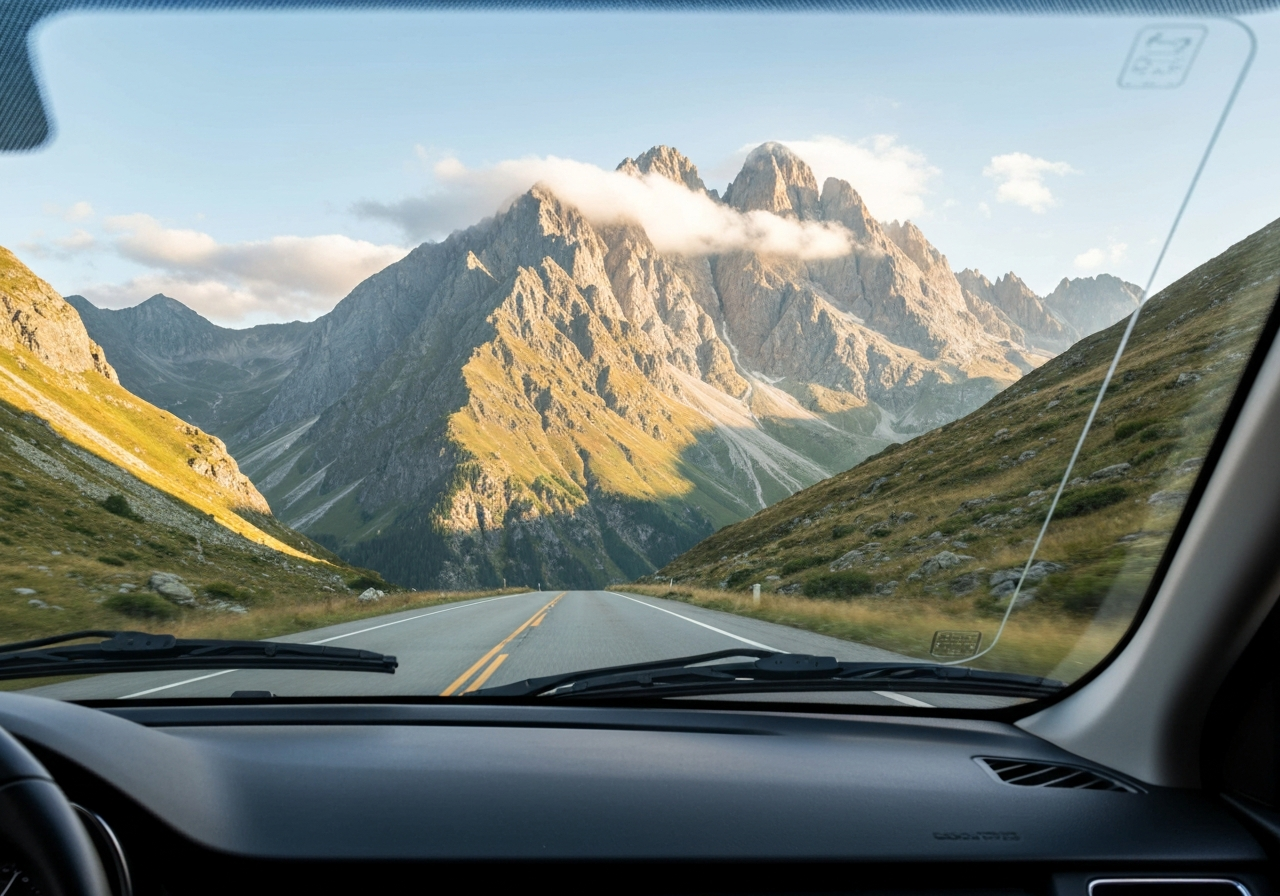
Window Tint Heat Rejection Explained: How Much Cooler Does Tint Actually Make Your Car?
Quick answer: Quality ceramic window tint reduces cabin temperature by 10–18°C in direct sun — turning a 60°C parked car into a 42–50°C cabin. Heat rejection and VLT (darkness) are separate properties — a 50% VLT ceramic film can reject more heat than a 5% VLT dyed film.
Key Takeaways
- Quality ceramic window tint reduces cabin temperature by 10–18°C in direct sun — turning a 60°C parked car into a 42–50°C cabin.
- Heat rejection and VLT (darkness) are separate properties — a 50% VLT ceramic film can reject more heat than a 5% VLT dyed film.
- Infrared (IR) rejection is the most important spec for heat reduction — look for 80%+ IR rejection in quality ceramic films.
- Tinted vehicles use 10–15% less A/C fuel consumption in summer — ceramic tint effectively pays for itself in fuel savings over 5–7 years.
Yes — quality ceramic window tint measurably cools your cabin. Nano-ceramic film rejects roughly 90–99% of infrared heat (versus only 10–40% for dyed or carbon film) and can drop a parked-car interior by 10–18°C. Here is how heat rejection actually works and what numbers to look for.
Understanding Solar Energy
Sunlight contains three types of energy, and understanding this is key to understanding tint performance:
Solar Energy Composition
Infrared is over half of all solar energy but is invisible — you feel it as heat. This is the primary target for high-performance window tint.
Film Technology vs. Heat Rejection
| Film Technology | IR Rejection | TSER | UV Block | How It Works |
|---|---|---|---|---|
| Dyed | 5–20% | 15–25% | 95% | Absorbs light (converts to heat in film) |
| Carbon | 35–55% | 30–45% | 99% | Carbon particles absorb + reflect some IR |
| Ceramic | 70–95% | 50–65% | 99% | Nano-ceramic reflects IR before entering |
| Metallic | 50–70% | 35–50% | 98% | Metal particles reflect heat (causes signal interference) |
| Multi-layer Ceramic | 85–97% | 60–72% | 99% | Multiple ceramic layers for maximum rejection |
TSER = Total Solar Energy Rejected. This is the overall percentage of all solar energy (IR + visible + UV) that the film blocks. Higher is better — and the spread across these rows is what explains how film technology, not darkness, controls heat rejection.
Real-World Temperature Comparison
We measured cabin temperatures in Calgary during a July afternoon (35°C ambient, direct sun, 1 hour parked):
Cabin Temperature After 1 Hour in Direct Sun (35°C Day)
Key Specifications to Compare
This is the percentage of infrared heat blocked. Premium ceramic films achieve 85–97% IRR. Budget films may only achieve 15–30%. This single number tells you more about real-world heat reduction than any other specification.
The overall percentage of all solar energy blocked. Accounts for IR, visible light, and UV combined. A TSER of 60%+ is excellent; below 30% is budget-level performance.
All quality tint films (even dyed) block 95–99% of UV. This protects your skin, prevents dashboard/seat fading, and preserves interior leather/plastic. At 99%, the difference between brands is minimal.
Calgary-Specific Considerations
- High altitude = intense UV. Calgary sits at 1,045 metres — UV intensity is roughly 10% higher than sea-level cities (WHO: ~10% per 1,000 m). Window tint is not just comfort; it is skin protection.
- 2,400+ sun hours per year. Calgary logs roughly 2,396 hours of bright sunshine annually — the most of any large Canadian city. Your interior gets more UV exposure than vehicles in Vancouver or Toronto, accelerating dashboard cracking and leather fading. The same accumulated dose is what wears down the UV absorbers built into your clear coat.
- Summer+winter benefit. Tint reduces A/C strain in summer and provides slight insulation in winter — making it a year-round investment. Heat loss through glass is reduced by the film's thermal barrier.
- Glare reduction on winter roads. Sun reflecting off snow creates intense glare. Even light ceramic tint (50–70% VLT) dramatically reduces winter driving glare without darkening the view.
Get real heat rejection, not just darker windows. Contact Obsidian Auto for ceramic window tinting — we will show you the actual temperature difference with a heat lamp demonstration. View our pricing guide and see why we're the best choice for window tinting in Calgary, and read up on how window tint blocks UV and protects your skin. Replacing cheap dyed film that never rejected heat? Here's how to remove old purple, bubbling tint safely first.
Stay Cool and Protected This Summer
Join 705+ Calgary drivers who trust Obsidian Auto for window tinting
Serving Calgary and surrounding areas • Free Uber shuttle with every service
Frequently Asked Questions
Sources
External references used in this guide
Ready to Protect Your Vehicle?
Get a quote from Calgary's most trusted detailing studio. We use only the best materials and back our work with industry-leading warranties.
Get A QuoteRelated Intelligence
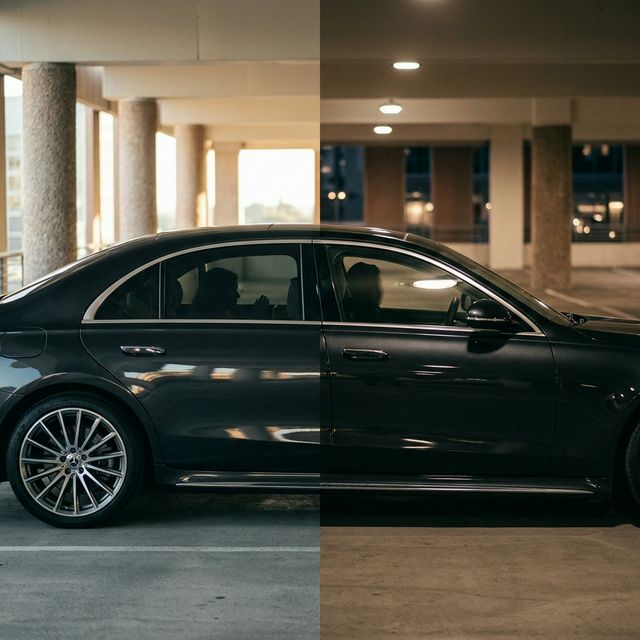
Can You See Inside a Car with 35% Tint? Visibility Guide with Photos
Daytime: silhouettes visible. Nighttime: impossible to see inside. Complete 35% VLT visibility guide covering every lighting condition and comparison to 20%.
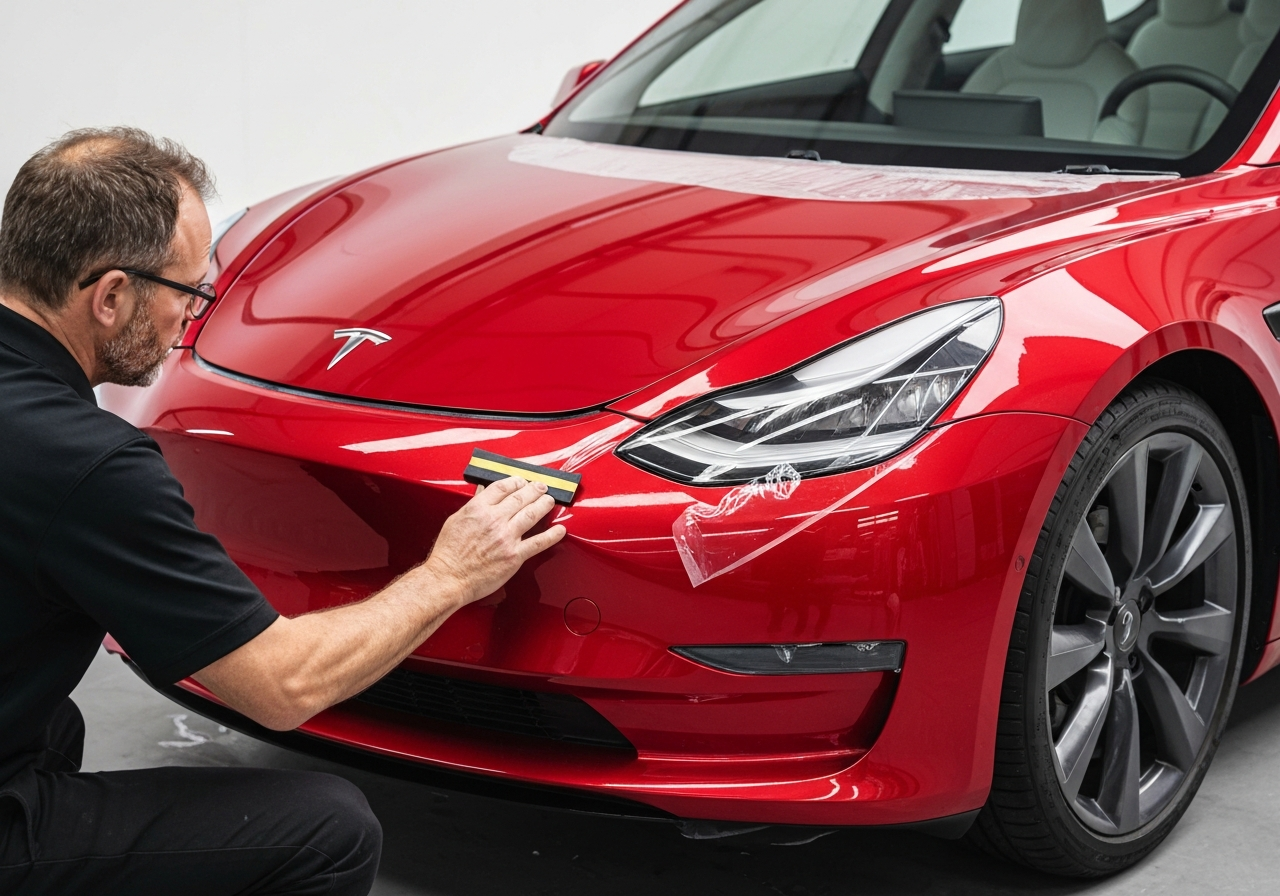
Tesla Window Tinting Guide: Best Films, Legal Limits, and EV-Specific Tips for Calgary
Tinting a Tesla isn't like tinting a Honda Civic. The massive glass surfaces and sensitive electronics require a specialized skillset.
How to Match Factory Window Tint: Getting Consistent Darkness Across All Windows
You bought a new SUV or Truck. The back windows are dark, but the front two are clear. You want them to match perfectly.