
Guides
7 Signs of a Bad PPF Installation (And What to Do About It)
Obsidian Auto Team, , updated , 11 Minute Read
Contents
Quick answer: Visible edge lines, trapped dust, and peeling corners within the first month are definitive signs of poor installation — not normal settling. Many shops will dismiss early complaints as 'the film needs to cure' — this is a delay tactic for installation defects that curing cannot fix.
Key Takeaways
- Visible edge lines, trapped dust, and peeling corners within the first month are definitive signs of poor installation — not normal settling.
- Many shops will dismiss early complaints as 'the film needs to cure' — this is a delay tactic for installation defects that curing cannot fix.
- If peeling starts within 6 months, the adhesive was not applied correctly — this is a workmanship issue, not a film issue.
- Document everything with photos and timestamps. Written warranty claims require evidence, and verbal complaints are easily dismissed.
The clearest signs of a bad PPF installation are visible edge lines on the face of a panel, dust or debris trapped under the film, edges that peel or lift within the first six months, silvery stretch marks on curves, and swirl marks sealed under the film — none of which are normal post-install settling. If you just spent $1,499+ on paint protection film and something does not look right, knowing the difference matters: the longer you wait to address a real defect, the harder it becomes to claim warranty coverage and the more damage accumulates underneath.
Below are the seven definitive signs of a substandard PPF installation, ordered from most common to least common, with specific guidance on what to do about each one.
The 7 Warning Signs
Visible Edge Lines
If you can clearly see where the film ends on any panel — a defined line running along the hood edge, around the fender, or along the bumper — the film was not wrapped around the panel edge. Pre-cut patterns with trimmed edges create these visible borders that collect dirt and become more noticeable over time — the same 1/4-inch gap trick DIY kits rely on.
Normal: Invisible edge lines where film is tucked behind panel gaps. Defect: Clearly visible film termination lines on the face of panels.
Trapped Dust and Debris
Tiny particles trapped between the film and the paint are the #1 indicator of a non-professional workspace. Look at your hood in direct sunlight at a shallow angle — you will see every trapped particle as a tiny raised bump. These are permanent and cannot be fixed without removing and re-applying the affected panel.
Normal: Completely smooth, particle-free surface. Defect: Multiple visible bumps, specks, or hairs under the film.
Edge Peeling or Lifting
Any film edge that has begun lifting from the paint surface within the first 6 months is a definitive installation defect. Properly applied PPF with wrapped edges should maintain adhesion for the full warranty period. Early peeling indicates insufficient adhesive activation, improper surface preparation, or environmental contamination during install.
Normal: All edges flush and sealed after 30 days. Defect: Any edge lift, typically starting at bumper corners or mirror caps.
Silvery Stretch Marks
Silvery or whitish marks visible when the light hits the film at certain angles indicate the film was over-stretched during application. This happens most commonly on bumper corners, mirror caps, and compound curves. Over-stretched film has weaker tensile strength and is more prone to cracking and peeling in the stretched area.
Normal: Uniform clarity with no silver marks. Defect: Silvery streaks or patches, especially on curves.
Film Cut-Lines Around Badges
If the film has been cut around badges, emblems, and trim pieces rather than having them removed and replaced, you got a shortcut installation. These cut-around areas trap dirt, look unprofessional, and are the first spots to peel. It also means a blade was used directly on your vehicle — creating potential score marks in the paint underneath.
Normal: Film applied under all badges, which are removed and reinstalled cleanly. Defect: Visible film cuts around badge perimeters.
Sealed-In Swirl Marks
PPF is transparent — if the installer did not correct the paint surface before application, every existing swirl mark, water spot, and scratch is now permanently sealed under the film. Look at the hood under bright light: if you see swirl patterns that your microfiber cannot reach, they are sealed underneath. This means paint correction was skipped.
Normal: Pristine, swirl-free finish visible through film. Defect: Visible swirl marks trapped under the film surface.
Uneven Coverage or Gaps
Panels where the film does not extend to the edges consistently, where gaps between film sections are uneven, or where overlaps create visible ridges. This indicates careless cutting and positioning. On multi-piece applications (like full fronts that use several film sections), seams should be nearly invisible under normal viewing conditions.
Normal: Consistent, even edge spacing. Defect: Irregular gaps, uneven edges, or visible overlap ridges.
What to Do If You Spot These Signs
Whichever of these signs you are seeing, the owners who get the best outcome catch it early and document it before it spreads. If you think your install is one of these, here is the path to follow.
Take close-up photos of every defect in direct sunlight. Photograph from multiple angles. Note the date, the panel, and the specific issue. This documentation is your evidence for any warranty claim.
Email (not phone call) with your photos attached. Written communication creates a paper trail. Describe each defect specifically and reference their written warranty terms.
If the original installer is dismissive or claims "it's normal," take your vehicle (with photos) to another experienced installer for an independent assessment. Their professional opinion helps validate your claim.
If the installer refuses to address workmanship issues, escalate to the film brand (3M, SunTek, STEK). They have vested interest in protecting their brand reputation and can intervene with certified dealers.
How to Avoid a Bad Installation in the First Place
The best fix is prevention. Before booking any PPF installation in Calgary, evaluate the shop against our comprehensive 12-point installer checklist. Key factors that predict quality: dedicated clean room, written workmanship warranty, edge-wrapping technique, and 2+ day installation timeline for a full front.
At Obsidian Auto, every PPF installation comes with our written lifetime workmanship guarantee for as long as you own the vehicle, and we inspect every vehicle under studio lighting before handover. If something is not right, we fix it before you see it. Book with confidence.
Ready to Protect Your Vehicle from Rock Chips?
Join 696+ Calgary drivers who trust Obsidian Auto for PPF installation
- Free Consultation
- Same-Day Response
- 10-Year Warranty
Serving Calgary and surrounding areas • Drop-off at our SE Calgary studio
Frequently Asked Questions

Written by
Obsidian Auto Team
PPF, Ceramic Coating & Window Tint Installers
- Consumer Choice Award winner 2022–2025
- We install 3M, STEK, SunTek, GSWF paint protection film
- Computer-cut patterns, wrapped edges, no blades on paint
- 4.9-star average across 696+ Google reviews
- 10,000+ Calgary vehicles since 2020
- Calgary studio serving Airdrie, Cochrane, Okotoks & Chestermere
A crew of full-time installers and detailers in southeast Calgary, working on Calgary cars since 2020. Our guides are researched and drafted with AI assistance, then checked against our own prices and policies before publishing.
Meet the team
Ready to protect your paint?
Self-healing paint protection film in five coverage tiers, plotter-cut and edge-wrapped, with a 10-year film warranty.
Get my free quote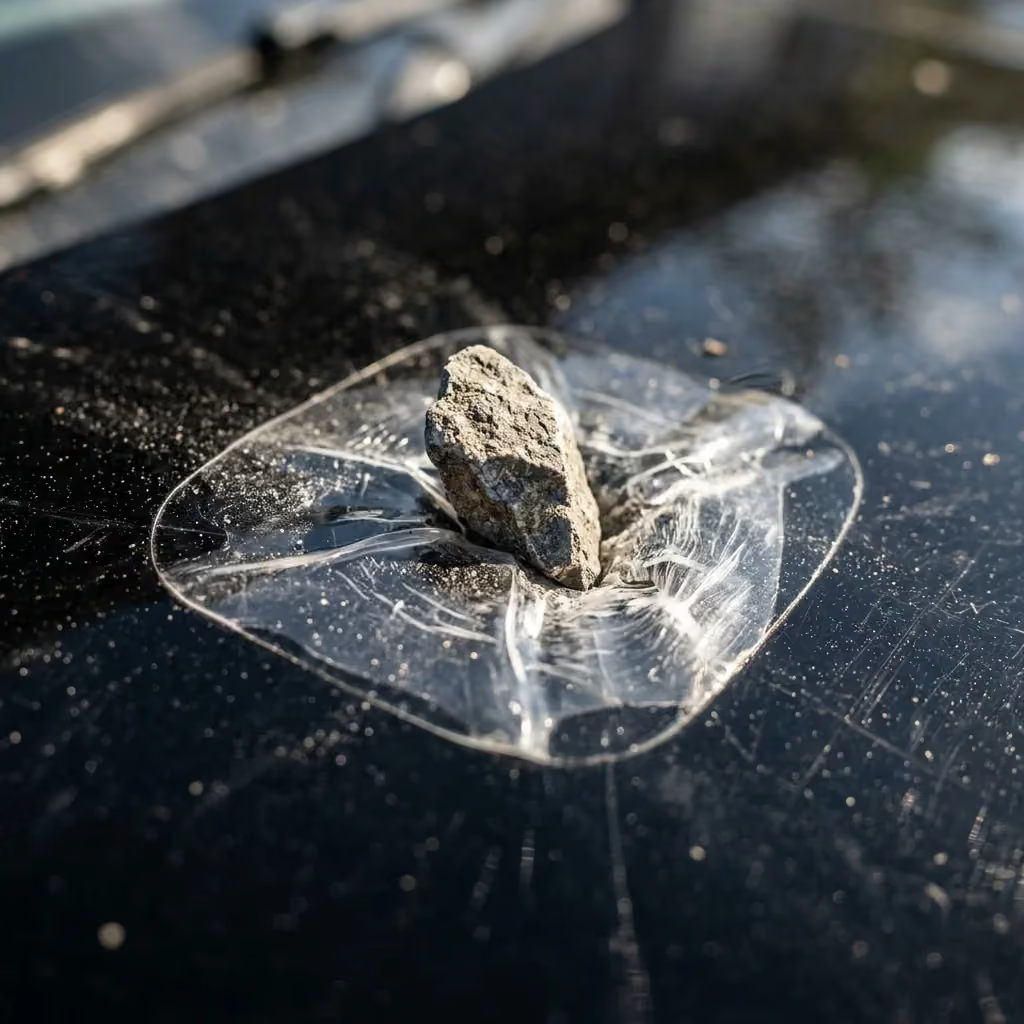
Guides
PPF Calgary: Is It Worth the Investment in 2026?
21st of April 2026
A deep dive into the financial math of rock chip repairs in Calgary vs. the cost of PPF. Understand the true ROI of protecting your paint.

Guides
How to Choose Between Full Front and Full Body PPF in Calgary
21st of April 2026
Analyzing Calgary driving habits (Deerfoot vs downtown) to help users select the right package. Which coverage gives you the best protection for your budget?

Guides
PPF in Calgary Winters: Does It Crack, Peel, or Yellow?
21st of April 2026
Seasonal authority content explaining how premium PPF reacts to -40°C, salt, and calcium chloride on Calgary roads.