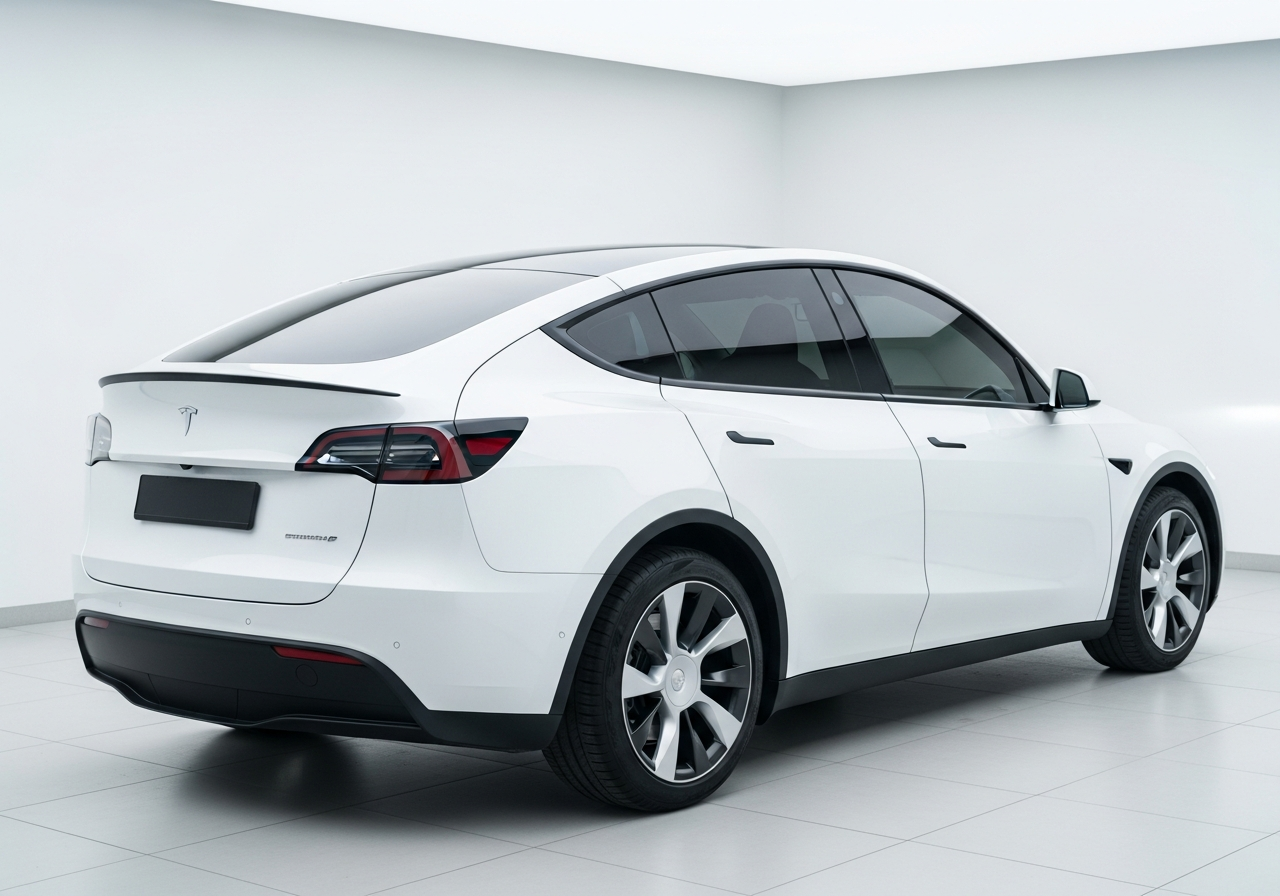
Window Tint Brands Compared: Ceramic vs Dyed vs Carbon for Calgary
Quick answer: Ceramic tint blocks 85–99% of infrared heat while remaining optically clear — making it the gold standard for Calgary's extreme temperature range. Dyed tint is the cheapest option ($25–$50/window) but fades purple within 2–4 years and provides minimal heat rejection (15–25%).
Key Takeaways
- Ceramic tint blocks 85–99% of infrared heat while remaining optically clear — making it the gold standard for Calgary's extreme temperature range.
- Dyed tint is the cheapest option ($25–$50/window) but fades purple within 2–4 years and provides minimal heat rejection (15–25%).
- Carbon tint offers a middle ground: better heat rejection than dyed (40–60%), no signal interference, and does not fade — but still trails ceramic significantly.
- For Calgary's -40°C to +35°C range, ceramic tint provides the best year-round performance — heat rejection in summer and no brittleness in winter cold.
For Calgary's climate, ceramic is the best window tint — it blocks 85–99% of infrared heat, never fades, and stays flexible at -40°C, outperforming dyed and carbon film in every category that matters here. Not all window tint is created equal: the difference between a $150 tint job and a $500 tint job is not just darkness, but fundamentally different technology that performs very differently in our extreme temperature swings. This comparison breaks down every tint type so you can make an informed choice.
The Four Types of Window Tint
| Property | Dyed Film | Carbon Film | Ceramic Film | Metallic Film |
|---|---|---|---|---|
| Heat Rejection (IR) | 15–25% | 40–60% | 85–99% | 50–70% |
| UV Blocking | 95–98% | 99% | 99%+ | 99% |
| Glare Reduction | Moderate | Good | Excellent | Good |
| Signal Interference | None | None | None (modern) | Yes |
| Colour Stability | Fades purple 2–4 yrs | Stable 8–12 yrs | Permanent — no fade | Stable 8–10 yrs |
| Cold Flexibility | Becomes rigid | Good flexibility | Excellent flexibility | Moderate |
| Appearance | Flat, matte look | Rich dark appearance | Clear, neutral colour | Reflective/mirror look |
| Cost Per Window | $25–$50 | $50–$85 | $75–$150 | $50–$80 |
| Lifespan | 3–5 years | 8–12 years | 15–25+ years | 8–12 years |
| Our Recommendation | ❌ Avoid | ⚠️ Budget option | ✅ Best choice | ❌ Avoid |
Dyed Film: The Budget Option (And Why We Do Not Install It)
Dyed window tint is the oldest and cheapest technology. It works by absorbing light through a dye layer sandwiched between an adhesive and a protective top coat. In Calgary, it has serious shortcomings:
- Purple fading: Calgary receives over 300 days of sunshine per year. UV exposure degrades the dye, causing the tint to shift from black to purple within 2–4 years. This looks terrible and cannot be reversed.
- Minimal heat rejection: Dyed film absorbs heat rather than reflecting it. The glass itself becomes a heat source, radiating warmth into the cabin. True heat rejection is only 15–25% — barely noticeable on a hot day.
- Bubbling: In Calgary's temperature extremes, the adhesive fails faster, causing bubbles within 3–5 years.
- Winter brittleness: At -30°C and below, dyed film becomes rigid and can crack at window edges during operation.
In our Calgary studio, the purple-fade problem walks through the door every spring — cars that had dyed film installed a few winters ago come in with rear windows shifted from black to a washed-out plum, usually with bubbling starting along the top edge where the summer sun hits hardest. We remove far more failed dyed tint than we would ever install, which is exactly why it is not on our menu.
Carbon Film: The Middle Ground
Carbon tint uses micro-carbon particles suspended in the film to block light. It is a significant step up from dyed:
- No fading — carbon particles do not degrade under UV exposure
- Better heat rejection (40–60%) — genuinely noticeable on a summer day
- Rich, dark black appearance that many people prefer aesthetically
- No signal interference
- 8–12 year lifespan in Calgary conditions
Carbon is a reasonable budget choice if ceramic is out of reach. However, the heat rejection gap between carbon (40–60%) and ceramic (85–99%) is substantial — on a 35°C Calgary summer day, the cabin temperature difference can be 8–12°C.
Ceramic Film: The Gold Standard
Ceramic tint uses nano-ceramic particles that are invisible to the eye but incredibly effective at blocking infrared heat radiation. This is the technology we install at Obsidian Auto, and here is why:
Heat Rejection Performance by Tint Type
Key advantages for Calgary drivers:
- Maximum heat rejection at any VLT: Even at 70% VLT (the legal front limit), ceramic blocks 85%+ of infrared radiation. You can keep your front windows completely legal while still getting dramatic heat relief.
- Extreme cold performance: Ceramic particles do not become brittle at low temperatures. The film remains flexible at -40°C, maintaining adhesion and clarity.
- UV protection: 99%+ UV blocking protects your dashboard, steering wheel, and leather seats from cracking and fading — particularly important with Calgary's intense sunlight.
- Zero interference: Modern nano-ceramic films do not interfere with GPS, cellular, toll transponders, or satellite radio. Older ceramic formulations had occasional issues, but current technology has completely resolved this.
- Permanence: No colour shift, no fading, no degradation. 15–25+ year lifespan. On a per-year basis, ceramic is often the cheapest option.
Why We Avoid Metallic Film
Metallic tint provides good heat rejection through a metallic particle layer — but it interferes with electronics. In modern vehicles with GPS navigation, cellular connectivity, Bluetooth, keyless entry, and satellite radio, metallic tint causes constant issues. The heat rejection of metallic film (50–70%) is also now exceeded by ceramic (85–99%), making it obsolete. This is also where a persistent misconception comes from — why only metallic film interferes with GPS and cell signal, never ceramic or carbon.
Cost Per Year: The True Comparison
| Film Type | Initial Cost (Full Car) | Lifespan | Cost Per Year |
|---|---|---|---|
| Dyed | $175–$350 | 3–5 years | $50–$115/year |
| Carbon | $350–$600 | 8–12 years | $30–$75/year |
| Ceramic | $500–$900 | 15–25 years | $20–$60/year |
Despite the highest upfront cost, ceramic tint has the lowest per-year cost because it never needs replacement. Dyed tint is the most expensive on a per-year basis because it requires replacement every 3–5 years. To budget your project, see current window tinting prices in Calgary.
Ready for premium ceramic tint? Book with Obsidian Auto. For legal VLT limits or detailed pricing, explore our guides, and learn how window tint rejects heat and keeps a car cool.
Stay Cool and Protected This Summer
Join 705+ Calgary drivers who trust Obsidian Auto for window tinting
Serving Calgary and surrounding areas • Free Uber shuttle with every service
Frequently Asked Questions
Sources
External references used in this guide
Ready to Protect Your Vehicle?
Get a quote from Calgary's most trusted detailing studio. We use only the best materials and back our work with industry-leading warranties.
Get A QuoteRelated Intelligence
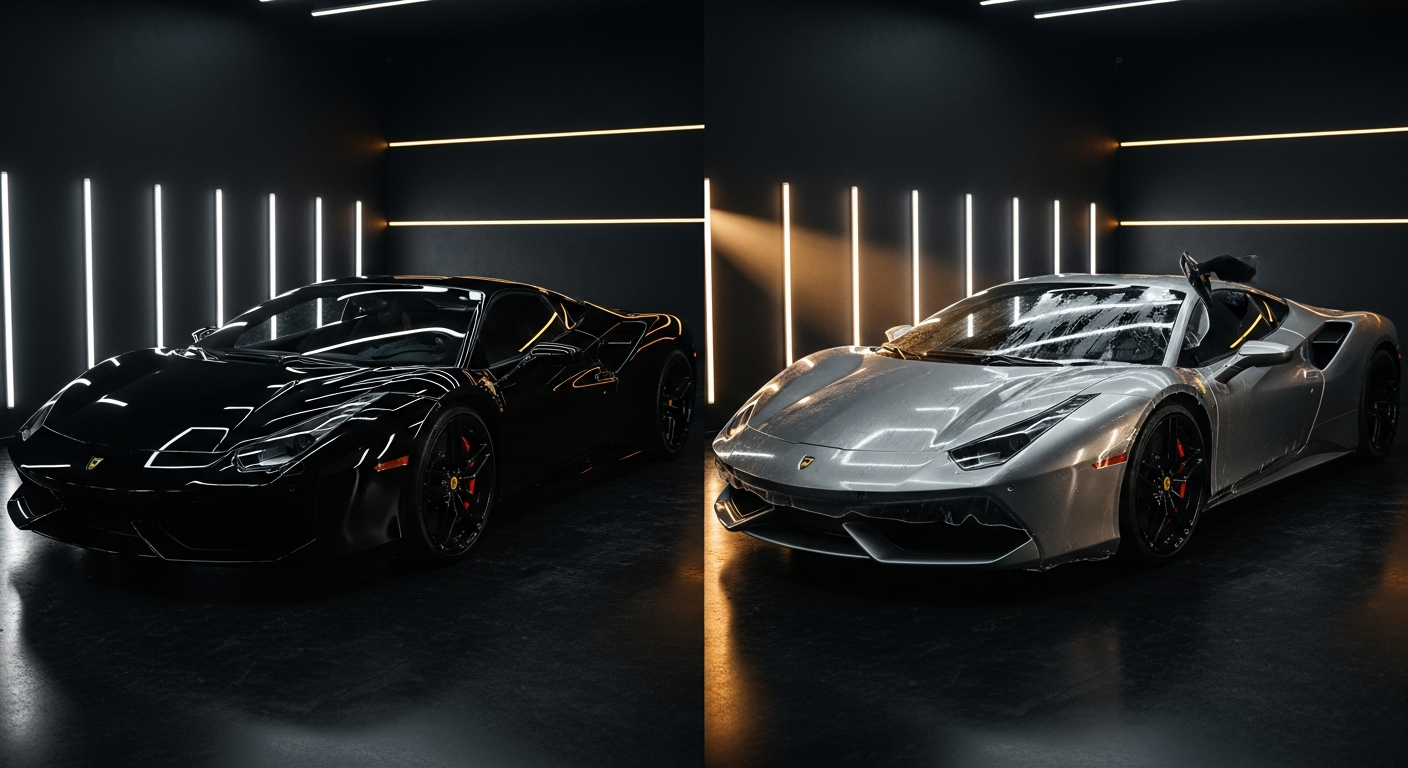
PPF vs Ceramic Coating in Calgary: Which Protection Does Your Car Need?
The battle of protection. Do you need impact resistance or gloss? We explain why the "Halo Package" (both) is the ultimate solution.
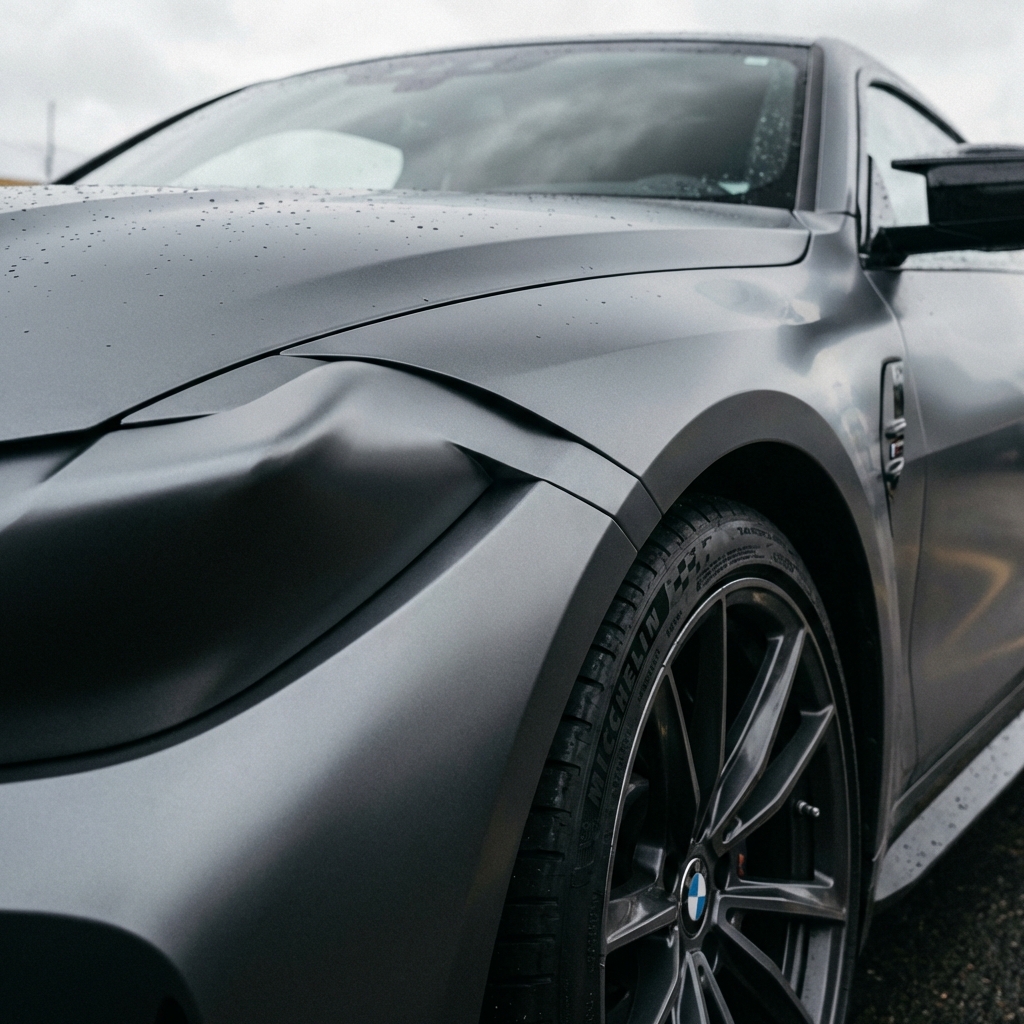
Colored PPF vs. Vinyl Wrap: Which Is Better for a Color Change in Calgary?
Why new 8-mil Colored PPF is replacing vinyl. Real rock chip protection with zero orange peel.
Ceramic Coating vs PPF: Which is Right for Your Calgary Vehicle? (2026)
Complete comparison guide covering costs, protection levels, when to choose each, and why the combination provides ultimate protection. 2,500+ words of expert analysis.