
Rubberized vs. Oil vs. Wax Undercoating: What Actually Works in Calgary?
Obsidian Auto Team, , updated , 12 min read
Contents
Quick answer: Rubberized undercoating fails when it is sprayed over existing rust, dirt or wet metal, or when the cavities behind it are left untreated — it then traps salt and moisture against the steel. Applied to clean, dry, prepped metal and paired with cavity wax, it is a sound, durable choice.
Key Takeaways
- Rubberized undercoating fails when it is sprayed over existing rust, dirt or wet metal, or when the cavities behind it are left untreated — it then traps salt and moisture against the steel. Applied to clean, dry, prepped metal and paired with cavity wax, it is a sound, durable choice.
- Cavity wax and wax/oil hybrids creep into seams and enclosed cavities, self-heal small scrapes and stay in place better than thin oil — plan on an annual inspection.
- Thin drip-oil sprays creep well but wash off faster in wheel wells and winter slush — they need strict annual re-application to maintain protection.
- Dealer-installed 'protection packages' vary widely — ask what product is used, what prep is done and whether the cavities are treated before you pay for one.
Short answer: all three types can work in Calgary, and all three can fail. Rubberized undercoating is a durable barrier when it goes onto clean, dry, prepped metal and the cavities behind it are treated with wax; a thin annual drip-oil spray works only if you keep reapplying it; and cavity wax or a wax/oil hybrid protects the seams and enclosed spaces where rust starts. In Calgary, your vehicle battles liquid brine, rock salt, and gravel for 6 months of the year, and undercoating is essential — but choosing the wrong type, or the right type applied badly, can do more harm than having no protection at all. Here is a comparison of the three technologies available in Alberta.
1. Rubberized / Asphalt (The "Hard Shell")
Verdict: GOOD (If the prep is right)
A thick barrier sprayed onto the exposed underbody: frame rails, floor pan and wheel wells. It blocks salt brine and road debris, dampens road noise, and does not need reapplying every year.
Where It Goes Wrong:
The coating seals whatever is underneath it. Sprayed over existing rust, dirt or wet metal, it traps that moisture and salt against the steel, and the frame rots behind a tidy black shell. The same happens when the enclosed cavities are left untreated, because rust then starts from the inside. Applied to clean, dry, prepped metal and paired with cavity wax, it is a sound choice. Chips from rocks should be inspected.
2. Drip Oil Sprays
Verdict: GOOD (If reapplied annually)
Not what we apply: Diamond Coat, our product for both undercoating and rust proofing, is a one-time application. Drip oil is very thin, runny oil that creeps into every seam and spot weld — which raises the obvious question of where that creeping oil ends up if the car also wears film or a coating.
The Pros
- Excellent creeping ability into tight seams
- Cheap annual application ($130–$160)
- Does not trap moisture
The Cons
- Washes off faster in wheel wells and on the undercarriage
- Can drip on your driveway for a few days
- Must be reapplied every 12 months
- Messy to work on for mechanics
3. Cavity Wax / Wax-Oil Hybrid
Verdict: BEST FOR SEAMS AND CAVITIES
A thicker amber or black coating that has the self-healing behaviour of oil but the staying power of wax. It does not drip, and it is what goes inside doors, rocker panels and frame rails.
The Pros
- Self-heals small scratches (stays active)
- Resists car washes and rain better than thin oil
- Stays on the vehicle far longer than drip oil
- Displaces moisture like oil
- Not messy — dry to the touch (tacky)
The Cons
- Needs an annual inspection
- Requires specialized application
Direct Comparison Table
| Feature | Rubberized | Drip Oil | Cavity Wax / Hybrid |
|---|---|---|---|
| Traps Salt? | Only if applied over rust, dirt or wet metal | No | No |
| Self-Healing? | No | Yes (Liquid) | Yes (Semi-solid) |
| Wash Resistant? | Yes | No (Washes off) | Yes (Persistent) |
| Reapplication? | None (applied once) | Annual (Required) | None; inspected annually |
| Drips? | No | Yes | No |
| Cost | $599 cars, $699 SUVs and trucks at our studio (Essential Undercoating) | About $1,500 over 10 years ($150/yr) | $999–$1,299 with the rubberized shell (Full Defense) |
Why Barrier Plus Cavity Wax Suits Calgary
Pairing a rubberized barrier with cavity wax solves the biggest problem with rust proofing in Calgary: longevity in high-wash environments.
Calgary drivers wash their cars frequently in winter to remove salt. If you rely on a drip oil spray alone, you are washing off your protection right when you need it most. A rubberized barrier stays on the frame through pressure washing and highway slush, and cavity wax keeps working inside the doors, rockers and frame rails where a wash never reaches.
A cracked or badly prepped rubberized coating can hide rust the owner can't see until the coating is pulled back, which is why prep and inspection matter more than the product name. Trucks that run gravel shoulders, like F-150s and Silverados on Deerfoot and Stoney Trail, take the worst of it, so on those the cavities and frame interiors need treating as well as the exposed steel.
The "Dealer Package" Question
Before You Sign:
Dealers often sell "Rust Protection Modules" (electronic anodes) or a rubberized spray as part of a protection package.
1. Electronic modules: cathodic protection works on boats and buried pipelines, where the metal sits in a continuous electrolyte that completes the circuit. A car on rubber tires in open air does not have one, so ask for independent test evidence before paying for a module.
2. Dealer spray: ask which product is used, how the underbody is cleaned and dried first, and whether the enclosed cavities are treated. Those three answers decide whether the coating protects the vehicle or traps moisture.
Ask the questions, then compare the answer with a specialist's quote.
Wondering what a fair quote looks like before you compare dealer packages? See the rust proofing cost guide for Calgary, or the data-driven look at whether undercoating is worth it.
Get protection that actually works. Contact Obsidian Auto for an undercoating consultation. Learn more about our undercoating services and our ceramic coating options for complete vehicle protection.
Protect your vehicle from rust and corrosion
Rated 4.9 across 696+ Google reviews. We reply within one business day with a written price.
- Free, no-obligation quote
- Written price within one business day
Drop-off at our SE Calgary studio, #2 - 239 61 Ave SE
Frequently Asked Questions
Sources
External references used in this guide

Written by
Obsidian Auto Team
PPF, Ceramic Coating & Window Tint Installers
- Consumer Choice Award winner 2022–2025
- We install ARK, GSWF, STEK, 3M, Pure PPF paint protection film
- Computer-cut patterns, wrapped edges, no blades on paint
- 4.9-star average across 696+ Google reviews
- 2,000+ Calgary vehicles since 2020
- Calgary studio serving Airdrie, Cochrane, Okotoks & Chestermere
A crew of full-time installers and detailers in southeast Calgary, working on Calgary cars since 2020. Our guides are researched and drafted with AI assistance, then checked against our own prices and policies before publishing.
Meet the team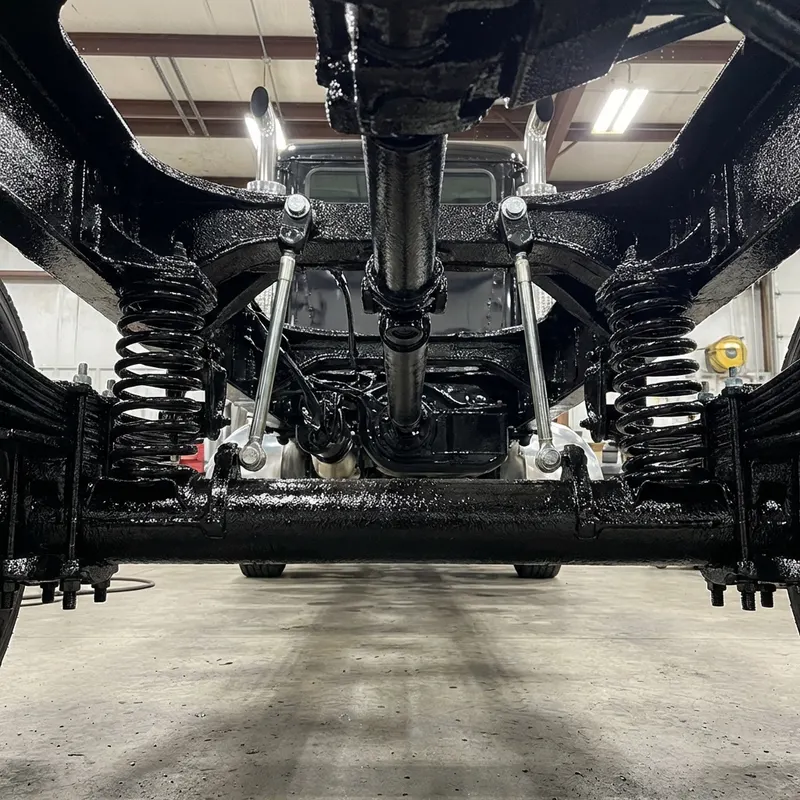
Ready to stop the salt before it starts?
Essential Undercoating and Full Defense rust proofing, done before the brine season.

Comparison
Dealership vs. Specialist Rust Proofing in Calgary: The $1,200 Question
21st of April 2026
You're in the finance office buying a new car. The manager offers you a "Lifetime Rust Protection Package." Is it actually effective?
Comparison
Rust Proofing Cost in Calgary 2026: Complete Pricing Guide
21st of April 2026
Prices for rust proofing in Calgary vary widely, from quick oil sprays to dealer packages. What is a fair price?

Comparison
Graphene vs Ceramic Coating in Calgary: Which Wins Winter? (2026)
1st of June 2026
Graphene or ceramic coating for your Calgary car? We compare durability, salt and water-spot resistance, cost, and which actually survives our -40°C winters — with an honest premium-buyer verdict.