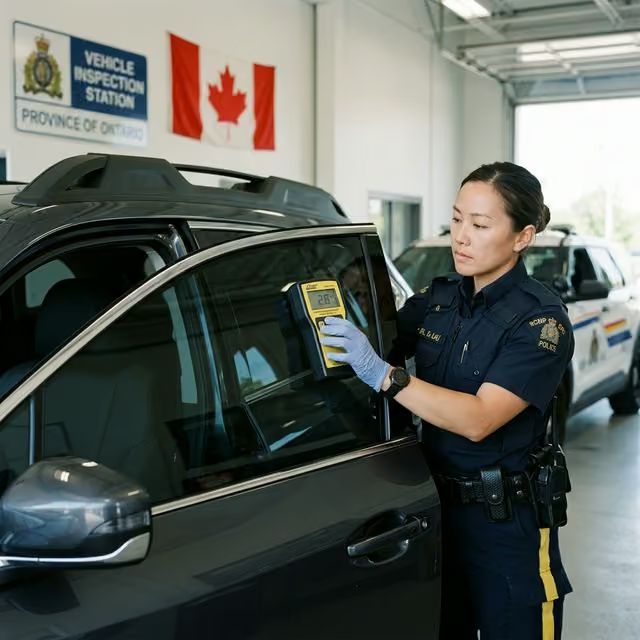
What Is the New Tint Rule in Canada? 2026 Regulations Explained
Quick answer: Canada does NOT have a single national tint law—window tint regulations are set by each province and territory individually. Alberta allows any darkness on rear windows but requires 70%+ VLT on front side windows and windshield (with visor strip exception).
Key Takeaways
- Canada does NOT have a single national tint law—window tint regulations are set by each province and territory individually.
- Alberta allows any darkness on rear windows but requires 70%+ VLT on front side windows and windshield (with visor strip exception).
- British Columbia is the strictest province, requiring 70% VLT on ALL windows including rear. Ontario allows any tint on rear but 70% on front.
- Medical exemptions exist in most provinces for conditions requiring UV protection—see your doctor for documentation.
- Getting caught with illegal tint in Alberta carries $115-$400+ fines and can result in a vehicle inspection order requiring removal.
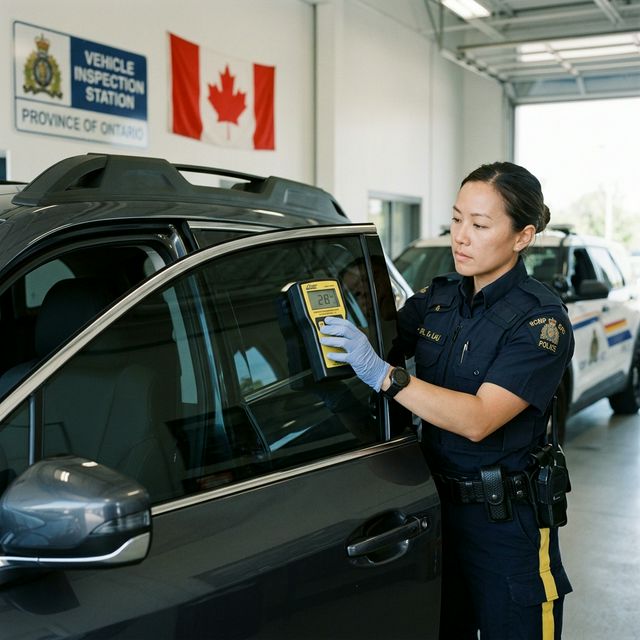
"What's the new tint rule in Canada?" is one of the most searched questions about window tinting—and we understand why it's confusing. Canada doesn't have a single national tint law. Each province sets its own rules. Here's the complete breakdown for 2026, with a focus on Alberta and what Calgary drivers need to know.
The #1 Fact: Canada Has No National Tint Law
Unlike some countries with a unified vehicle modification code, Canada delegates window tint regulation to each province and territory. This means the legal tint on your car in Calgary might be illegal the moment you cross into BC. Each province's regulations fall under their respective Highway Traffic Act or Vehicle Equipment Regulation.
Province-by-Province Tint Laws (2026)
⚠️ Important: BC Is the Exception
If you drive between Calgary and Vancouver regularly, be aware that BC restricts tint on ALL windows—including rear. Your dark rear window tint that's perfectly legal in Alberta could get you a ticket in BC. Consider this when choosing tint levels.
Alberta Tint Laws in Detail
For Calgary drivers, Alberta's Vehicle Equipment Regulation (AR 122/2009) governs window tint. Here's exactly what's legal:
Legal in Alberta
- ✅ Any darkness on rear side windows
- ✅ Any darkness on rear windshield
- ✅ 70%+ VLT tint on front side windows
- ✅ Windshield visor strip (AS-1 line)
- ✅ Factory-tinted glass on any window
- ✅ UV-blocking clear film on front windows
- ✅ Ceramic tint at legal VLT levels
Illegal in Alberta
- ❌ Front side windows below 70% VLT
- ❌ Windshield tint below visor strip area
- ❌ Mirror/reflective tint on any window
- ❌ Any tint that obstructs driver's view
- ❌ Red, amber, or blue tint (resembles emergency)
- ❌ Tint that makes it impossible to see occupants from outside on front windows
What VLT Actually Means (With Examples)
VLT (Visible Light Transmission) is the percentage of visible light that passes through the window. Higher numbers = lighter tint:
The Ceramic Tint Advantage for Legal Compliance
Here's the key insight most people miss: VLT and heat rejection are NOT the same thing. You can have a completely legal 70% VLT film that blocks 50-60% of solar heat if it's ceramic tint. Premium ceramic window tint uses nano-ceramic particles to block infrared radiation (heat) without blocking visible light, which is why it pays to understand whether ceramic tint is worth it over dyed tint.
The Smart Strategy for Calgary
Front windows: Install premium ceramic tint at 70% VLT. Completely legal while blocking up to 60% of heat and 99% of UV. You get real comfort benefits with zero legal risk.
Rear windows: Go as dark as you want—20% or 5% VLT for maximum privacy and heat rejection. Completely legal in Alberta on rear windows. Before you settle on a number, see how much of your interior is still visible at each VLT level.
Medical Exemptions in Alberta
Alberta allows medical exemptions for darker front window tint in specific cases. Qualifying conditions include lupus, photosensitivity disorders, certain skin conditions, and post-surgical UV sensitivity. Read our detailed guide on getting a tint exemption in Alberta.
Get Legal, Premium Window Tint in Calgary
We install ceramic tint that maximizes heat rejection within legal limits. Get the comfort you want without the legal risk.
Related Resources
Stay Cool and Protected This Summer
Join 705+ Calgary drivers who trust Obsidian Auto for window tinting
Serving Calgary and surrounding areas • Free Uber shuttle with every service
Pros
- Legal tint still provides significant UV protection (up to 99% UV block regardless of VLT percentage).
- Ceramic tint technology provides excellent heat rejection even at high VLT (legal) levels.
- Medical exemptions allow darker tint for qualifying conditions in most provinces.
- Rear window tint is unrestricted in most provinces, allowing maximum privacy and heat rejection.
- Premium ceramic tint performs dramatically better than cheap dyed film at the same VLT level.
- Professional installation ensures accurate VLT measurement and legal compliance.
Cons
- Front side window and windshield restrictions limit heat rejection options for driver and passenger areas.
- Regulations vary significantly between provinces, creating confusion for vehicles driven across borders.
- Enforcement is inconsistent but fines can be significant when caught.
- VLT measurement tools used by police can produce varying readings.
- Medical exemptions require ongoing documentation and may not be recognized in all situations.
- Previously legal tint may become non-compliant if regulations change.
Frequently Asked Questions
Sources
External references used in this guide
Ready to Protect Your Vehicle?
Get a quote from Calgary's most trusted detailing studio. We use only the best materials and back our work with industry-leading warranties.
Get A QuoteRelated Intelligence
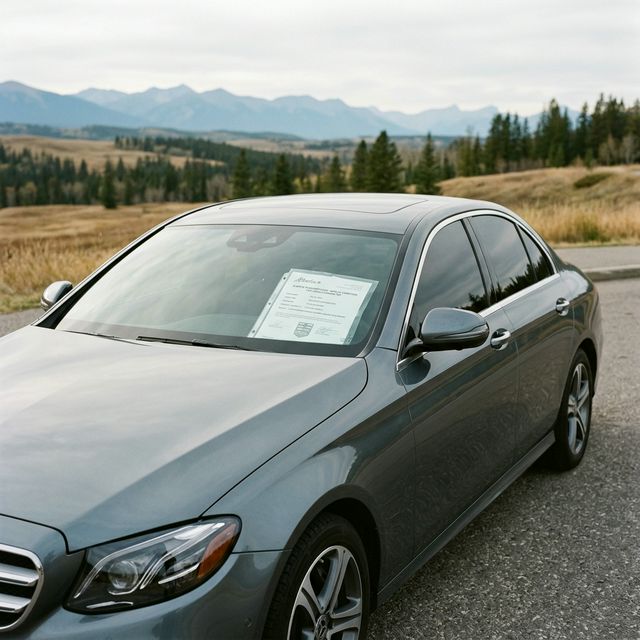
How to Get a Tint Exemption in Alberta: Medical & Legal Process
5-step process for getting a medical window tint exemption in Alberta. Qualifying conditions, doctor's letter checklist, and what's still prohibited even with exemption.
Alberta Window Tint Laws 2026: Complete Legal Guide for Calgary Drivers
Every day at Obsidian Auto, we get asked: "Can you match my front windows to the back?" You need to understand the legal landscape first.
Can You See Inside a Car with 35% Tint? Visibility Guide with Photos
Daytime: silhouettes visible. Nighttime: impossible to see inside. Complete 35% VLT visibility guide covering every lighting condition and comparison to 20%.