Self-Healing Coloured PPF: How It Works and Why It Matters
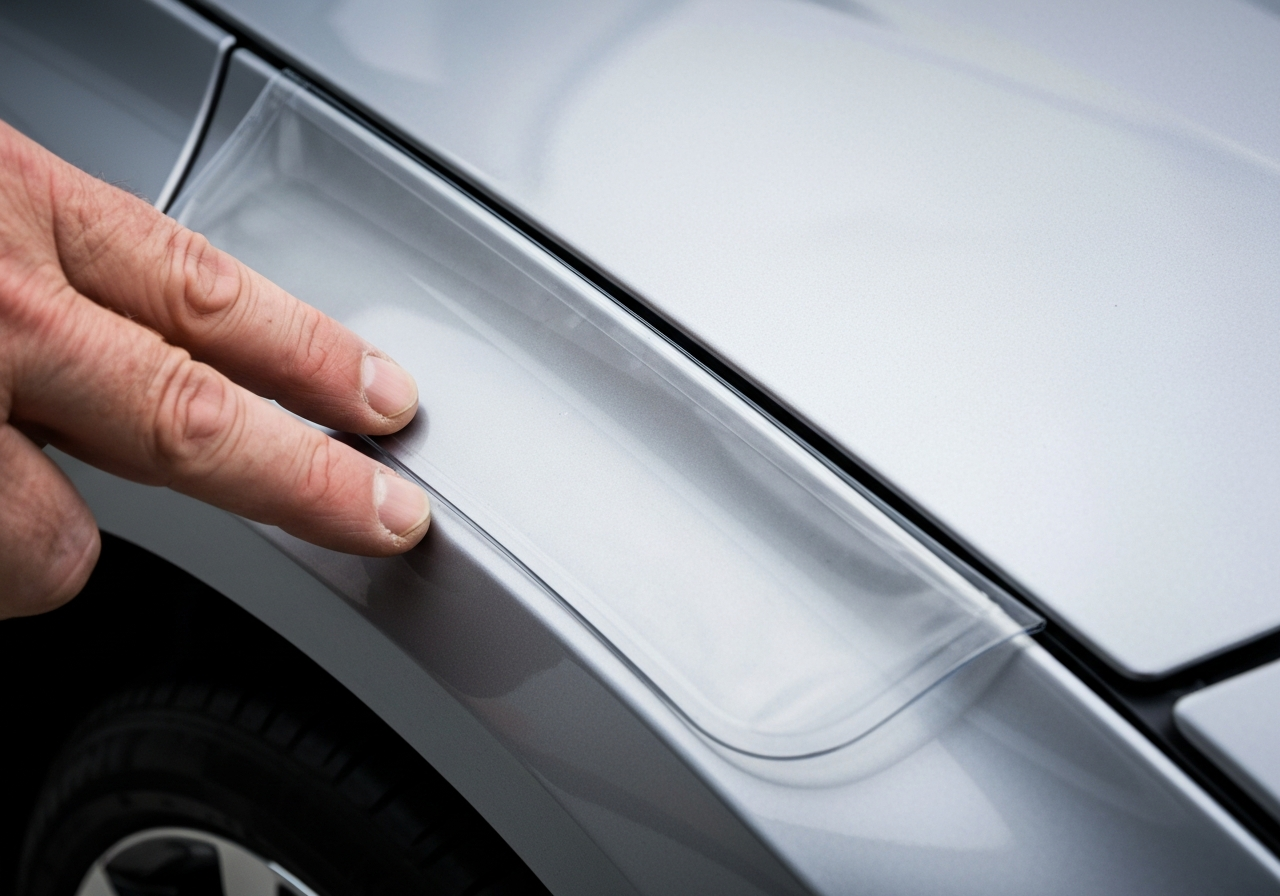
Quick answer: Self-healing coloured PPF uses an elastomeric top coat that reflows when heated — eliminating surface scratches without any manual intervention. The self-healing layer works identically on coloured PPF as on clear PPF — the colour is integrated into the film body beneath the healing layer.
Key Takeaways
- Self-healing coloured PPF uses an elastomeric top coat that reflows when heated — eliminating surface scratches without any manual intervention.
- The self-healing layer works identically on coloured PPF as on clear PPF — the colour is integrated into the film body beneath the healing layer.
- In Calgary, parking lot scratches, tree branch marks, and car wash swirls self-heal within minutes using warm water or sunlight.
- Self-healing is the single biggest advantage coloured PPF has over vinyl wrap — vinyl scratches are permanent and accumulate visibly.
Self-healing coloured PPF works because its elastomeric top coat reflows as it warms — from sun, warm water, or a heat gun, with no film maker publishing a temperature it must reach — erasing light scratches and swirls automatically. Vinyl-wrap scratches are permanent; PPF resets to showroom finish, which is why it outlasts and outperforms vinyl for colour changes.
The Science Behind Self-Healing
Self-healing PPF uses a thermoplastic polyurethane (TPU) top coat with a property called "elastic memory." Here is the step-by-step process:
- Scratch occurs — A fingernail, tree branch, or light impact displaces the polymer chains in the top coat. The chains move out of position but their molecular bonds remain intact.
- Visible mark appears — The displaced chains create an uneven surface that scatters light differently, making the scratch visible.
- Heat reaches the surface — As the top coat warms (from any heat source), the polymer chains become mobile.
- Chains reflow — The "memory" of the polymer pulls chains back to their original aligned position, filling the scratch from within.
- Surface becomes smooth — As the chains realign, the surface returns to its original optical quality. The scratch is gone — not hidden, genuinely gone.
Coloured PPF Film Structure
Understanding the layer structure explains why self-healing works the same on coloured film:
Clear elastomeric polymer. This is where self-healing occurs. Identical on clear and coloured PPF.
Integrated pigment layer (coloured PPF only). Sits beneath the top coat, protected by it. Does not affect healing.
The structural layer. Provides impact absorption, rock chip protection, and flexibility. 6–8 mil thick.
Pressure-sensitive acrylic adhesive. Bonds the film to the paint surface. Designed for clean removal.
Your original paint, pristine and protected underneath every layer above.
What Self-Healing Handles vs. What It Cannot
| Damage Type | Self-Healing? | Notes |
|---|---|---|
| Fingernail scratch | ✅ Yes | Heals in seconds with warm water |
| Car wash swirl marks | ✅ Yes | Heat from sunlight heals automatically |
| Tree branch scrape | ✅ Yes | Pour warm water — visible healing in real time |
| Shopping bag drag | ✅ Yes | Surface scuffs heal with any heat source |
| Light key touch | ✅ Yes | Top coat displacement only — fully heals |
| Deep key gouge | ❌ No | Cuts through top coat into colour/film body |
| Rock chip impact | ❌ No | PPF absorbs the impact to protect paint, but chip mark remains in film |
| Chemical stain | ❌ No | Chemical damage alters material, not displacement |
Self-Healing in Calgary's Climate
Calgary's climate creates both advantages and considerations for self-healing:
Summer (May–September)
Self-healing is effortless. Calgary's summer sunshine warms panels well past room temperature, which is the only baseline any film maker publishes. Scratches that occur during the day often heal on their own without any intervention — you may never even notice them.
Winter (October–April)
Self-healing needs the panel warmed. At -20°C to -40°C a car left outside will not warm enough on its own. Use warm water or park in a heated garage. Accumulated winter scratches typically heal all at once during the first warm chinook or spring day.
Why This Matters More for Coloured PPF
Self-healing is important on clear PPF, but it is critical on coloured PPF. Here is why: scratches on coloured surfaces are far more visible than scratches on clear film over paint. A white scratch on satin black PPF jumps out immediately. On clear PPF, a similar scratch blends into the paint colour underneath.
This visibility difference is also why vinyl wrap looks progressively worse over time — every shopping cart brush, every tree branch contact, every parking lot scuff accumulates permanently. Coloured PPF continuously resets to its original appearance through self-healing, maintaining showroom quality for years.
Self-Healing Pigmented Film: The 2025-2026 Leap
Until recently, most colour-change PPF combined a pigment layer with a clear self-healing top coat. In September 2025, XPEL launched COLOR PPF — a fully pigmented paint protection film (16 launch colours, 8-mil, 10-year warranty) that delivers colour change and self-healing protection in a single film. Meanwhile SunTek Reaction now carries a 12-year warranty with a super-hydrophobic top coat, and STEK's DYNOshield and DYNOmatte use a nano-ceramic-infused hydrophobic top coat that reflows with warmth, though STEK publishes no activation temperature for it.
The practical takeaway for Calgary drivers is the same across all of these films: the self-heal mechanism is genuine material reflow, not a coating trick. Whether you choose a gloss, satin, or on-trend colour-shift finish, light scratches disappear with a little heat — and the factory paint stays sealed and pristine underneath.
Experience self-healing coloured PPF for yourself. Visit Obsidian Auto for a demonstration — we will scratch a sample piece in front of you and heal it in seconds. See our colour guide or pricing breakdown for more details, and if you have heard installation takes forever, our piece on common myths about coloured PPF installation time sets the record straight.
Ready to Protect Your Vehicle from Rock Chips?
Join 705+ Calgary drivers who trust Obsidian Auto for PPF installation
Serving Calgary and surrounding areas • Free Uber shuttle with every service
Frequently Asked Questions
Ready to Protect Your Vehicle?
Get a quote from Calgary's most trusted detailing studio. We use only the best materials and back our work with industry-leading warranties.
Get A QuoteRelated Intelligence
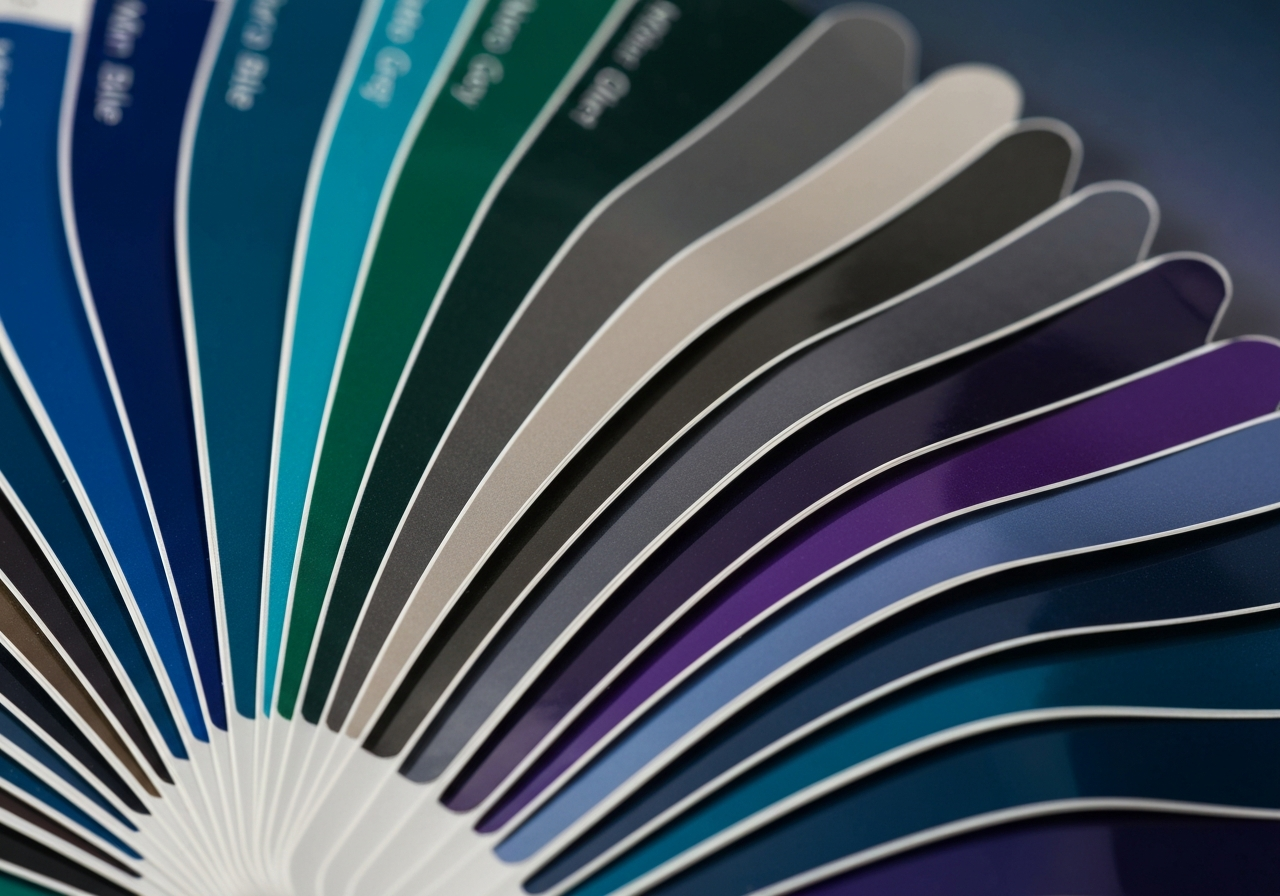
Premium Colored PPF Options: Every Style Available in Calgary (2026)
Gone are the days of boring clear film. STEK DYNOseries has revolutionized the industry with colored protective film infused with deep, rich pigments.
Does Coloured PPF Affect Your Vehicle's Resale Value?
You want a green Porsche, but you can only find a silver one. Your decision will have a massive impact on the car's future value.
Can Coloured PPF Survive Calgary Winters? Cold Weather Durability Guide
You want to wrap your car Matte Black or Nardo Grey, but you live in Calgary. Will the film peel off in -40°C?